FW

Egypt is speeding up promotion of its special industrial zones where apparel can be made and exported duty free to the United States.
Post the launch of its Qualifying Industrial Zones (QIZs), in 2005, Egypt has seen several major U.S. companies such as Levi Strauss & Co., Walmart, Phillips-Van Heusen, Gap Inc., Nike and JC Penney set up manufacturing base in these designated areas here.
Key items made in the 15 special zones set up around Cairo, Alexandria and other areas are pants, T-shirts, shorts, tank tops, shirts, underwear, jackets and towels.
One advantage for U.S. manufacturers looking at manufacturing in these special areas is that there is not a yarn-forward or fabric-forward stipulation, as in other free-trade agreements, i.e. the yarn and fabric do not have to be made in the region to receive duty-free benefits.
Instead, special requirements are that 10.5 per cent of the product’s value must come from Israel, such as the zippers, buttons, fabric, trim or packaging material.
And at least 35 per cent of the value of a product must have local input (24.5 per cent Egyptian and 10.5 per cent Israeli). The 35 per cent minimum content can include costs incurred in Israel, Egypt or the U.S.
Ashraf El Rabiey, who manages the industrial zones in Egypt disclosed, “The importance of the QIZs is that it is a political program that is strongly supported by the United States, Israel and Egypt. Since January 2017, exports are coming back up where since the first nine months, they jumped by 9 per cent.”
Egypt has a many advantages as a clothing and textile hub as spinning and weaving of textiles has been around since the time of the pharaohs. Egypt grows some of the best long-staple and extra-long-staple cotton in the world that is used in high-end clothing, towels and sheets.
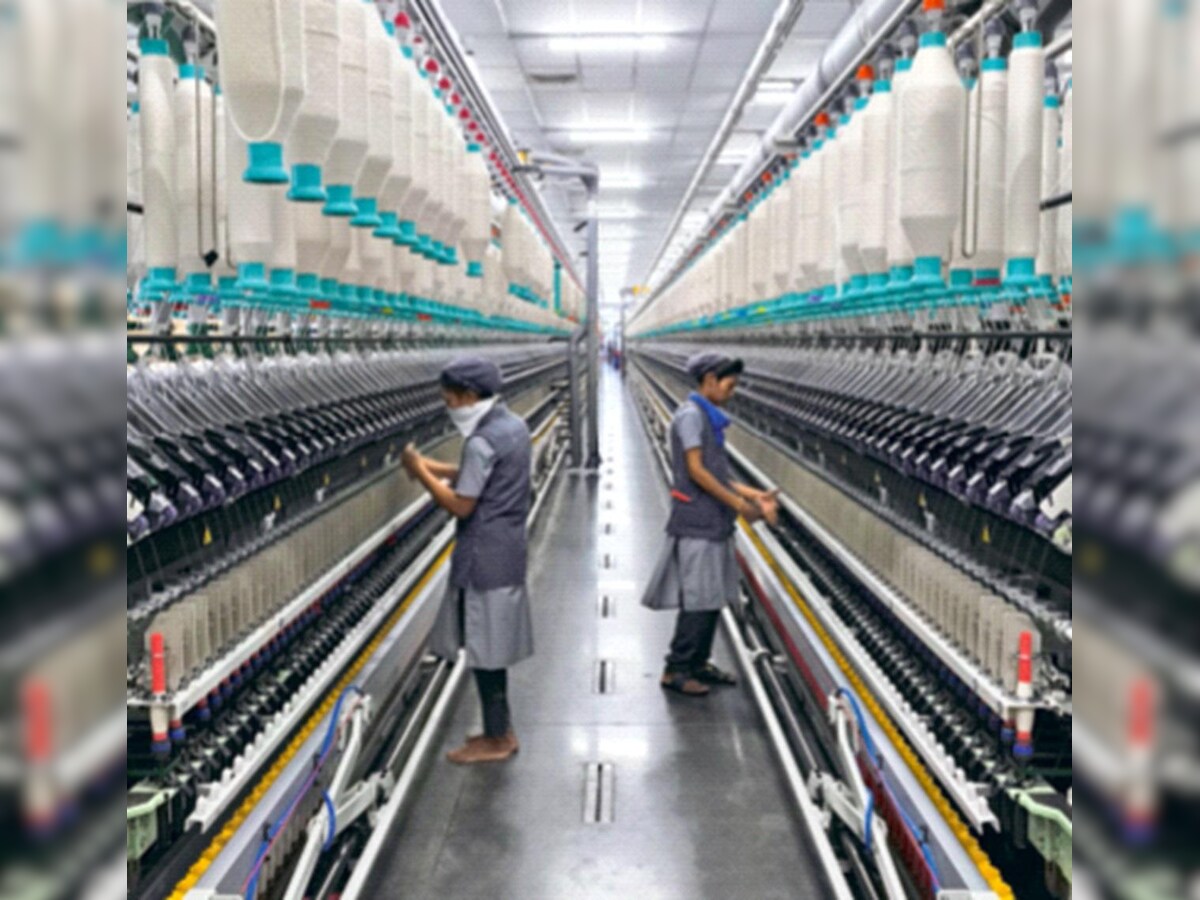
Today, Egypt has over 1,500 garment factories and 1.5 million textile and garment workers who deliver a high level of quality to the Egyptian product; besides the country has strong laundries that achieve a high level of fashion washes that are in demand.
Each year, the IWTO invites its members to examine key issues and explore solutions within the Wool Round Table conference which is expected to begin this year in Port Elizabeth — the hub of South Africa’s wool industry — where specialists in the trade will explore current media reports on textile sustainability, the role of wool in protecting the environment and ways that the industry can manage its resources to the benefit of the entire wool supply chain.
From on-farm practices to consumer empowerment programmes, the International Wool Textile Organisation (IWTO) looks at how wool can supply solutions to retail's responsibility needs.
It isn’t all about sustainability. Care of sheep and the land they live on are key components of industry best practice in wool production life cycle.
Throughout the cycle of lambing, shearing, and protecting from pests and predators, wool growers will do what is necessary to care for their flocks, preserve their precious land resource and bring about a healthy yield of new wool.
IWTO Secretary General Dalena White revealed, “Textile brand managers have emphasised the importance of wool’s traceability and the wool industry has been proactive in ensuring complete transparency in the growing of wool. Numerous certificates of origin are available to buyers, complete with full detail of how the wool was grown and harvested.
"At the Wool Round Table, we will hear from experts in the field of sustainability about why these are now more important than ever and how we should gear our industry to supply the answers to environmentally aware consumers.”
Wool Round Table speakers include Louis de Beer, Cape Wools SA; Mark Grave, Australian Wool Exchange; Dr Beverley Henry, Queensland University of Technology; Angus Ireland, Australian Wool Innovation; Chris Kerston, Savory Foundation; Geoff Kingwill, Cape Wools SA; Cobus Oosthuizen, LifeXchange; and Rolf Pretorius, Olive Leaf Foundation.
Make it British is the go-to resource for information on UK manufacturing and British-made brands. Make it British is going on tour to Manchester next month with its Make it British Forum on ‘How to Build a Made in Britain Brand’. This is to take place on 2nd November at the Manchester Business School.
Participants will learn how to master making in the UK — even if they’ve never been to a factory. The one-day forum will provide delegates with the knowledge and expertise required to successfully manufacture, promote and sell a brand that is made in Britain.
Kate Hills, founder and CEO of ‘Make It British’, discusses, “There is great value in making in the UK, from the convenience and speed of having a factory on your doorstep, to consumer confidence that is gained by displaying a ‘Made in Britain’ label.”
A host of industry experts, that understand what it takes to successfully negotiate the UK manufacturing supply chain, will be on hand to offer advice and guidance and help provide solutions to challenges faced.
Speakers include: Sara Prowse, CEO of Hotter Shoes, the largest footwear manufacturer in the UK, will be talking about what Made in Britain really means to her customers.
Mat Booth, founder of Both Barrels, will focus on: Why Simplicity Is Key When Building a Brand Made in the UK.
English Fine Cottons will be reveal how the first cotton spinning mill in the UK for decades now affords businesses the opportunity to have a totally British supply chain
Isabelle Ugochukwu, the inspirational founder behind the Isabella Queen handbag brand, will share insights on What Its Really Like To Launch A British-Made Brand.
Mike Stoll, co-owner of Manchester-based brand and factory Private White, will be discuss, What It Takes to Develop a Great Partnership with Your Manufacturer.
Denise Pearson, of leather goods manufacturer Deni-Deni will be joining our manufacturing panel - which is an opportunity to quiz some of the UKs best fashion and accessory manufacturers. Charlotte Meek from The Stitch Society will be imparting advice for those wanting to go down the route of setting up their own manufacturing unit
Kingpins Amsterdam is to see the launch of a new denim capsule collection designed by Adriano Goldschmied. It will feature new fabric developed with Refibra branded lyocell fibres – one of the latest fibre innovations from Lenzing AG.
The famed designer first began working with TENCEL lyocell in the mid-1990s with the launch of his AGoldE label. Lenzing commissioned Adriano to design this 21st century capsule collection because he is a strong advocate of sustainable practices in denim. It features fabrics from eight global premium denim mills with design, production and laundry processing taking place in his Los Angeles studio.
The Refibra fibre is the first commercial scale cellulose fibre that features chemically recycled material. Manufactured from a blend of pulps that include post-industrial cotton scrap and wood, this new generation of TENCEL lyocell fibre represents the ‘reduce, reuse and recycle’ process. The Refibra fibre recently achieved the Recycled Claim Standard which certifies that all production processes in its entire supply chain adhere to the proper steps that ensure the final product’s integrity. A special manufacturing process makes it possible to identify the Refibra fibre in the finished garment.
Lenzing worked in tandem with Spanish mill Textil Santanderina during the initial development of this fabric. Other fabric mill partners showcased in this capsule include Advance Denim (China), Artistic Milliners (Pakistan), Blue Diamond (China), Candiani (Italy), Orta (Turkey), Prosperity (China) and Tejidos Royo (Spain). Knitted fabric bases were supplied by Hallotex (Spain).
Tricia Carey, Director of Global Business Development for Denim at Lenzing exults, “With the environmental challenges we are facing globally, Refibra fibres is one step towards reducing waste.”
The capsule with fifteen women’s and men’s styles can be viewed at Kingpins Amsterdam (October 25th and 26th), Kingpins New York (November 29th and 30th) and at regional Lenzing offices.
Reliance Industries Ltd (RIL) has come out with a polyester brand RElan in Bengaluru. Created by the company’s polyester division, RElan is a B2B2C initiative which creates co-branded polyester apparel range.
A RILs polyester division executive disclosed, “Along with the launch of the new brand, RIL is also to create a robust fibre-to-fabric value chain to ensure that these innovations match commercial expectations of fashion brands. So far, we have roped in around 22 companies spread across Punjab, Gujarat, Karnataka, West Bengal and Tamil Nadu to create active wear range of products.”
Currently with a research and development centre, wholly dedicated to polyester, the company has come out with differentiated, value-added and newly engineered fibres finding diverse applications.
The company’s R&D centre is also working to develop other products from home textile and industrial through to construction.
With regard to retail expansion, the executive disclosed, “RElan is a collaborative initiative and we are working on B2C2C. For the product we will be producing the fibre and filament yarn, our partners are to create products which suit the market.”
Trends coming from cities New York, Milan, Paris and Tokyo , considered the fashion capitals of the major export markets for international garment trade, are studied by Directions Trend Committee, selected by Messe Frankfurt (HK)every season. The committee members combine their expertise and local in?uences to come up with the themes that tell the story of tomorrow’s apparel fabric trends. The trend committee consists of Donger Creative Services, USA, Nelly Roddy Agency, France, Elementa RModa, Italy and Sachiko Inoue, Japan. The trend direction for Autumn Winter 2018/19 are divided into major themes as Origins, Humanity, Hygge and Subversive

1 Origins
Wild Nature. Raw. Primitive
2 Hygge
Cosy. Well Being. Sensual
3 Subversive
Cultural Mixes. Contrasts. Powerful
Humanity
AW 2018 / 1 9
Human connection, invention and instinct are the common threads explored within each trend, and reflect the spirit of the time. We are moving into a society that craves a human presence and the desire to focus on essential values due to the advancement of technology. We are creating a respectful relationship with the planet and its people, promoting a more harmonious lifestyle where the world’s traditions are acknowledged.
Origins
Wild Nature .Raw . Primitive
There is a new appreciation for the simple things in life, urging us to go back to the land and reconnect with our ancestral instincts. The soul of a handmade object is celebrated. Responsive design emerges from forward- thinking craftsmanship, intertwining technology with primitive and raw materials. From the deep woods to the open prairie, the outdoor landscape is a world without borders, allowing for new inventions to emerge.

COLOURS
Woodland Darks Dusty Earth
Active Brights Accent

FABRICS
Rustic & Soft. Technical & Performance Enhancement.
Wild Fur: Fox. Wolf. Raccoon. Feather.
Tweed: Dishevelled. Rough yet soft. Homespun.
Felt: Coarse. Compact. Protective ?nishing.
Weatherproofed.
Canvas: Coarse. Slubbed. Ondé yarn.
Jacquard: Random pattern. Needle punch. Organic texture.
Knits: Shaggy. Bouclé and hair. Fur-like. Multiple yarn mixes.
Fleece: Woollen. Knit backed. Felted. Mélange.
Yarn-Dye: Blurred plaids. Washout and worn. Relief structure.
Corduroy: Double faced. Washed. Printed. Denim: Raw. Linen blended. Crosshatch. Twill: Pigment-dyed. PFD.
Performance: Protection. Sporting and active minded.

PRINTS
P ri m i t i v e & O rg a n ic .
Nature-Inspired:
Tree and woodgrains. Wild ?owers and leaves.
Animals/Reptiles:
Bear. Fox. Rabbit. Bird. Skin and feather.
Hygge
In today’s fast-paced, modern lifestyle it’s important to have quality and a balance of comfort and well-being. We look to nature and the Renaissance for inspiration as we slow down, creating a relaxed formality in our home. Genderless colours and lofty fabrications are key for a soothing and sensual environment. Learning how to do practical things well and taking care of yourself becomes top priority.
COLOURS
Cosy Neutrals
Precious Pastels
Copper Accent

FABRICS
Sensual & Light. Simple & Decorative.
Plush: Hair. Cashmere. Melton. Felted. Flannel. AIRO ?nishing.
Tweed: Precious. Exaggerated weave. Metallic touches. Embroidered.
Suiting: Mélange. Mouliné. Tonal checks. Menswear plaids. Crepe: Grainy structure. Light and ?uid. Double and airy. Jacquard: Tone-on-tone. Matte and shine. Matelassé. Blurred. Cut threads.
Velvet/velour: Burnout. Printed. Powdery touch.
Satin: Silky. Burnout. Fluid.
Sheer: Shimmer organza. Chiffon. Creased gauzes. Knits: Chenille yarn. Heavy crochet. Ornate jacquard. Lurex touches.
Jersey: Silky surfaces. Polished shine. Pointelle.
Pile: Uncut and ?ne corduroy. Moleskin.
Technical: Hybrid basics. Synthetic blend. Performance.

PRINTS
I n t ri c a t e & C a l m .
Home-Inspired:
Wallpaper. Floral. Marble effect. Tiles. Flocked.
Photographic:
Painting. Sceneries. Inkjet.
mixes .Contrasts . Powerful
Subversive
Cultural mixes .Contrasts . Powerful
A textural kaleidoscope of the past and present create a mashup and powerful collage. As generations and cultures mix together, a strong and contrasting visual story emerges. Cultural prints with folkloric motifs and ?orals mix with the classics like vintage geometrics and multi- coloured stripes. With today’s interconnectivity we dive deeper into the roots of the world, resulting in a new form of art that combines craft and technology together.

COLOURS
Rich Deeps
Vibrant Brights
Contrast & Crashed

FABRICS
Opulence & Classic. Craft & Tech.
Fur: Fun. Multi-coloured. Wild Animal. Blanket: Hair. Oversized plaids. Double faced. Ornate printed. Tweed: Fancy and kitsch. Grandma rework.
Synthetic: Modern. Plastic. Pleather.
Jacquard: Rich brocade. Double faced. Folkloric ?oral.
Dynamic graphic.
Velvet/Velour: Printed. Burnout. Crushed. Embossed.
Shine: Satin, Taffeta. Metallic. Opalescent.
Knit: Jacquard. Raschel laces. Lurex. Cellophane. Jersey: Burnout. Coloured metallic. Eyelash. Spandex. Denim: Worked. Jacquard. Printed.

PRINTS
N e o C l a s si c & R e m ix .
Classic: Antique wallpaper. Vintage geometric. Perspective plaid.
Cultural: Folkloric motifs. Floral. Mix collage. Art. Colourful stripe.
Amazon India has invested Rs. 260 crores (around $40M), in its online payments platform Amazon Pay. This was done using money from Amazon Corporate Holdings based in Singapore and from their parent Company Amazon (US).
Big ticket investment in mobile wallets coupled with stricter government regulations is therefore the current industry trend.
This pumping of funds follows their previous total investment of Rs. 350 crores (around $52.6M dollars). It is a big step up for Amazon India’s payments arm. This brings it in competition with Paytm and Flipkart’s PhonePe.
As per filings at the Registrar of Companies, the new funds will be used to expand the company’s business operations. The authorised capital for Amazon Pay was recently increased to Rs.2,000 crore (around $300.6 M) from 400 crore rupees (around $60.1M) revealing Amazon’s plans for their payments arm. Flipkart has also recently expanded their PhonePe services through huge investments.
The Reserve Bank of India recently issued new guidelines on the use of all mobile wallets which mandates companies to conduct Know Your Customer (KYC) checks, however, this could drive up costs for mobile wallet services — including Amazon Pay.
Sriram Jagannathan, Vice President of Amazon India, shares, “A concern is that even low usage wallets with limited merchant transaction functionality are required to be in compliance with KYC beyond 12 months. This adds friction to customers and costs to the issuer. In line with international guidelines a framework of proportional KYC could have been adopted.”
TCE Corporation, Vietnam’s biggest denim producer, celebrates the first year of its Eco Line installation achieving close fabric control and significant energy savings. Investment in the Eco Line enhanced output from 1.5 million yards a month to 3.5 million yards, the biggest production capacity in Vietnam.
The Monforts Eco Line was manufactured by Monforts in Germany and supplied via Peja Vietnam. It is engineered to save on water and energy use. Key issues with denim are consistency and shrinkage. The greatest benefit of this machine is that it permits finer control of shrinkage.
Starting operations in South Korea in 1956, TCE relocated its entire production to Vietnam in 2014. TCE was the world’s first denim producer to install a Monforts Eco Denim Line, and after a full year of production is now able to evaluate the advantages in terms of production and energy and water savings. The company is the largest producer of denim in Vietnam, and one of the largest in Asia. The Eco Line throughput is 1.5 million yards.
TCE exports 100 per cent of its production overseas with Europe, at about 45 per cent being the largest market, followed by the USA at 30 per cent, and Japan and Korea the other main export destinations.
Chief executive officer Stanley Hwang reports that their production ranges from lightweight to heavyweight denim, in the range of 4 to 14 ounces. “With the Monforts Eco Line, we can see exactly what is going on in the production line and it is very easy to operate. We have complete control of the shrinkage and we need one or two less staff to operate the machine.”
Production general manager Ku Myung Soo says that the fabric passes in one continuous run, through the Eco Applicator, then through the Thermex, and finally through the shrinkage process.
Canali a symbol of Italian male elegance, has for several years now been confronted by the crisis affecting men's formal wear, the heart of its business. It has lead to close a factory in Carate Brianza.
The historic brand, founded in 1934 in Brianza (to the north of Milan), has made its specialisation an asset a sole and unique label for men, entirely produced in Italy. However, now it's being penalised, much like many other super luxury men's brands such as Brioni, by a business model and overcapacity of production that is no longer in sync with the current market demands.
The company recently stated that the employee reduction in the Carate Brianza establishment was determined by the drop in the formal market, which has been the case since 2009, and which has now become structural.
Five years ago, the brand operated seven production facilities and employed 1,600 people, far surpassing today's staff figures of close to 1,000. The brand has always had a strong focus on the international market, where it records 90 per cent of its revenues. In 2016, revenues reached 216 million euros, a 2.7 per cent drop compared to the previous year.
Canali, which open around ten stores last year, boasts 180 boutiques globally, with 40 of these under direct management. The firm, still in the hands of its founding family (now third generation), has accelerated its global expansion efforts and is working to strengthen its product offering. It recently announced the release of an eyewear line with L'Amy America, which forms part of the International Luxury.
Hanes Brands, manufacturer of Hanes and Champion activewear and graphic apparel, purchased Alternative Apparel in a cash deal valued at around $60 million.
This deal permitted the brand to create value and generate growth opportunities in support of its activewear strategy. “We will be able to leverage our global low cost supply chain, which is a recognised social, environmental and ethical leader, with another strong brand to expand our market and channel penetration, including online.” Hanes CEO Gerald Evans Jr. announced.
Hanes has been aggressively adding to its portfolio through the acquisition of licensed logo companies Gear for Sports — which sells through college bookstores — and Knights Apparel, which focuses on the mass tier. It also acquired GTM Sportswear — makers of custom high school team and fan apparel. Hanes also launched Hanes Ink, an online business that creates custom college and high school garments.
Hanes also released preliminary third quarter results where the company estimates net sales will be around $1.8 billion with earnings per share of 55 cents.
Alternative Apparel, which had been outsourcing, will now be able to tap into Hanes’ owned factories.
Starting operations in 1995, Alternative Apparel has been known for comfort. Hanes estimates the company’s full-year net sales will reach $70 million.
Alternative CEO Evan Toporek, will continue to lead the business, disclosed that he’s looking forward to scaling the business through the Hanes supply chain. “Partnering with a like-minded company that is a long time industry innovator and leader will benefit our employees, customers and brand as a whole.
“Alternative Apparel has an attractive business model, a very strong and differentiated brand, and a highly talented team of employees. Adding the Alternative brand and product line up further diversifies our sales mix as we emphasize growth across all channels, including online.”