FW
Istanbul sourcing milestone redefines European apparel supply chains
Opening across 42,850 sq m at the Istanbul Expo Center, the milestone 10th edition of Texhibition Istanbul commenced with more than 500 elite textile manufacturers displaying woven, knitted, denim, and accessory lines. As international fashion brands relentlessly shorten lead times and restructure vendor networks, the three-day trade platform addresses critical supply chain vulnerabilities.
Global apparel buyers are no longer just looking at cost sheets; they demand geographical agility, immediate responsiveness, and verified sustainable credentials," stated Fatih Bilici, Head-Organizing Textile Committee. Building on previous footfalls that welcomed over 20,000 professional attendees and 5,565 international buyers, the autumn showcase integrates premier international mills from Italy and Japan—including Cafissi and Stylem Takisada-Osaka - to broaden high-end material access for European garment makers.
Smart technology integrates with sustainable innovation
Beyond conventional fabrics, the newly introduced SmartTex Hub propels technical textiles and performance-driven applications into the spotlight, featuring advanced thermal-regulation systems, hemp derivatives, and bio-microencapsulation. Artificial intelligence applications presented by firms such as A.I.T. and Docode demonstrate how digital optimization directly streamlines inventory forecasting and pattern design.
Highlighting this shift, a prominent case study from a major European kidswear brand revealed a 22 per cent reduction in prototyping timelines after incorporating Turkish digital-first textile suppliers. Industry analysts emphasize that these technological integrations safeguard profit margins against rising energy overheads, positioning Mediterranean production hubs as indispensable partners for high-end retail brands navigating volatile consumer demand cycles.
Focusing on high-margin versatility and ecological compliance
Türkiye operates as a fully integrated textile and apparel manufacturing powerhouse, supplying global brands with advanced yarns, knitted fabrics, denim, and finished garments. The sector anchors regional employment and economic output, leveraging decades of textile heritage. Driven by continuous investments in sustainable material innovations and rapid-response logistics, Turkish export frameworks focus on high-margin versatility and ecological compliance to maintain global competitiveness.
Global loom investments point to a new natural-fibre strategy
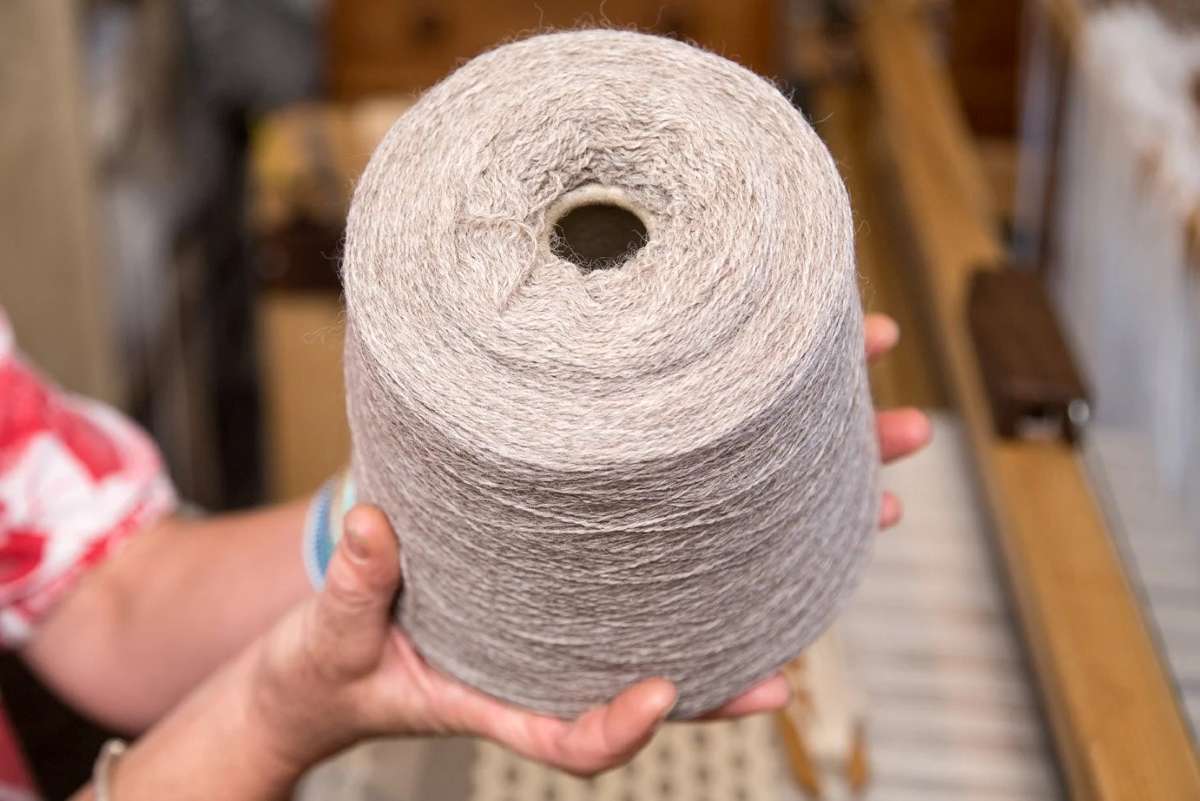
The global textile machinery market is sending a signal that conventional industry indicators can easily obscure: manufacturers are becoming more selective about where they place capital. The latest International Textile Machinery Federation (ITMF) shipment data points to a broad decline in weaving equipment, but the more important issue is the composition of that decline.
According to the 48th Annual International Textile Machinery Shipment Statistics, worldwide shipments of shuttle-less looms fell 27.5 per cent year-on-year to 164,000 units. Yet the drop was uneven. Chinese mills sharply reduced water-jet loom purchases, while Indian manufacturers increased rapier and projectile loom deliveries by 21 per cent. The difference suggests that textile manufacturers are not simply cutting capacity. They are reallocating investment from commodity-oriented synthetic production towards more flexible machinery capable of processing cotton, linen, cellulosics and sophisticated blends.
Synthetics business under pressure
The retreat from water-jet technology is particularly significant because these machines are closely associated with high-volume polyester and nylon filament fabrics. Their economics depend heavily on stable petrochemical feedstock prices and high machine utilisation.That model has become more difficult to sustain as upstream costs have risen.
Table: Synthetic feedstock volatility overview
|
Industrial metric |
Operational cycle shift |
Mill impact |
|
Naphtha (Petrochemical Derivative) |
+12.7% |
Inflates primary monomer costs across synthetic extrusion hubs |
|
Monoethylene Glycol (MEG) |
+16.4% |
Compresses operating spreads on polyester filament and texturing lines |
|
ITMF Machinery Sentiment Index |
−40 percentage points |
Capital freeze on margin-dilutive commodity synthetic capacity |
The result is a growing mismatch between production scale and profits. When feedstock costs rise faster than fabric realisation, high-speed commodity machinery can become a liability rather than an asset. This explains the 57 per cent decline in Chinese water-jet loom intake. China remains the world's dominant textile manufacturing base, but its machinery decisions reflect the need to rationalise capacity rather than simply add more of it.
Flexibility is the new advantage
The machinery data reveals where manufacturers see better long-term economics.
Table: Different loom categories across regions
|
Type of machinery |
Primary application/fiber base |
Global volume (in units) 2025 |
Global YoY change |
Destination regional trend |
|
Water-Jet Looms |
High-speed commodity synthetics (Polyester, Nylon filament) |
88,500 |
−38.0% |
China: 57% |
|
Air-Jet Looms |
Lightweight commodity cottons & basic blended fabrics |
54,600 |
−6.0% |
China:32% |
|
Rapier & Projectile Looms |
Structured, heavy, complex natural fibers & blends (Cotton, Linen, Lyocell) |
20,500 |
−18.0% |
India: +21% |
|
Total Shuttle-less Looms |
All commercial automated weaving machinery |
164,000 |
−27.5% |
Asia & Oceania absorbed 95% of total volume |
Rapier and projectile looms offer an advantage: material flexibility. They can handle different yarn counts, irregular structures and a broader spectrum of natural and cellulosic fibres. That flexibility has commercial value at a time when brands are seeking alternatives to standardised polyester constructions. It also allows mills to move between product categories without rebuilding their entire production architecture.
India's increase in rapier installations is therefore more than a machinery statistic. It points to an attempt to build a more diversified woven-textile proposition around domestic cotton availability and expanding capabilities in linen, modal and lyocell blends.
The timing also matters. Textile machinery has a long procurement and commissioning cycle. Much of today's installation pipeline reflects investment decisions made 12 to 24 months earlier, suggesting that Indian manufacturers anticipated a shift towards higher-value and more material-diverse products.
Upstream capacity tells the same story
The shift is visible even before yarn reaches the loom. Machinery for staple-fibre processing is holding up much better than equipment dedicated to filament texturing.
Table: Fiber migration through spinning and texturing
|
Machinery segment |
Primary end-use fiber/fabric |
Global shipments 2025 |
Global YoY shift |
Major geographic drivers |
|
Short-Staple Spindles |
Cotton, Viscose, Modal, and staple fiber spinning |
6.11 mn spindles |
+3.3% |
Asia & Oceania (95% share); North/Central America (+264%) |
|
Open-End Rotors |
Coarse/medium yarns, denim, heavy cotton |
645,000 Rotors |
+3.5% |
India (+12%), Vietnam (+17%), China (+4%) |
|
Double-Heater Texturing Spindles |
Filament texturing for polyester knits and wovens |
743,000 Spindles |
−22.0% |
China (93% global share) |
|
Single-Heater Texturing Spindles |
Polyamide / Nylon filament processing |
65,000 Spindles |
−21.0% |
Asia & Oceania (97.6% global share) |
|
Large Circular Knitting Machines |
Single jersey, fleece, circular rib knits |
24,500 Machines |
−13.0% |
China (53% share, +9%), India (#2), Vietnam (#3) |
|
Electronic Flat Knitting Machines |
Sweaters, structural collars, flat knits |
106,000 Machines |
−21.0% |
Asia & Oceania (−24% YoY; China 66% share) |
Short-staple spindle shipments rose 3.3 per cent to 6.11 million, while Indian open-end rotor installations went up 12 per cent. At the same time, double-heater texturing spindles declined 22 per cent. That is a meaningful upstream signal. The industry is not abandoning textile investment; it is changing the fibre systems around which that investment is organised.
India gains a sourcing opportunity
For India, this change creates an opportunity extending beyond lower production costs. Its advantage could increasingly lie in material versatility. A stronger domestic industry spanning cotton spinning, open-end yarns, blended yarns and advanced weaving could allow Indian mills to supply products that sit between basic commodity fabrics and highly specialised technical textiles.
Factory-level investment reveals this potential. Arvind Mills, for instance, integrated 240 high-speed electronic rapier looms into its woven operations, with 35 per cent of standard cotton production shifted towards linen-cotton, modal and structural lyocell fabrics. The reconfigured lines reportedly generated a 14 per cent price premium over basic commodity weaves.
Whether such premiums can be sustained across the industry remains uncertain. But the direction of investment is clear: mills are seeking greater value per metre rather than simply more metres.
Machinery a sourcing signal
For global brands, machinery installation data is becoming an useful indicator of supplier capability. Traditional sourcing assessments often rely on stated capacity, historical order books and corporate presentations. Those measures can lag behind actual factory transformation. Machinery, in contrast, represents physical capital deployed on the production floor. This matters as retailers face geopolitical sourcing risks, extended producer-responsibility requirements and growing scrutiny of synthetic materials and microplastic pollution.
The implication is not that synthetics are disappearing. Polyester will remain indispensable to global apparel and technical-textile supply chains. Rather, the machinery cycle suggests that its unchecked expansion as a commodity fabric platform is facing stronger economic constraints. The strategic divide is consequently shifting from synthetic versus natural to commodity versus adaptable.
Mills equipped to work across cotton, linen, cellulosics and blends can respond to changing consumer preferences while reducing exposure to a single feedstock or product category. That optionality may prove more valuable than sheer production volume.
A bigger competitive shift
The latest ITMF data should therefore be read as a map of industrial priorities rather than merely a record of machinery sales. The 27.5 per cent fall in shuttle-less loom shipments signals caution. But India's 21 per cent rise in rapier and projectile loom deliveries, the growth in staple spinning and open-end technology, and the contraction in filament texturing collectively suggest something more consequential: textile capital is moving towards flexibility.
For sourcing markets, this could strengthen India's position as brands diversify beyond standardised synthetic supply chains. For manufacturers, it raises the premium on machinery capable of processing multiple fibre types. And for investors, it signals that the next phase of textile competitiveness may be determined less by installed capacity than by the ability to switch rapidly between materials, constructions and price points. The global textile industry is not simply reducing machines. It is becoming more selective about which machines deserve to survive.
Global loom investments point to a new natural-fibre strategy
The global textile machinery market is sending a signal that conventional industry indicators can easily obscure: manufacturers are becoming more selective about where they place capital. The latest International Textile Machinery Federation (ITMF) shipment data points to a broad decline in weaving equipment, but the more important issue is the composition of that decline.
According to the 48th Annual International Textile Machinery Shipment Statistics, worldwide shipments of shuttle-less looms fell 27.5 per cent year-on-year to 164,000 units. Yet the drop was uneven. Chinese mills sharply reduced water-jet loom purchases, while Indian manufacturers increased rapier and projectile loom deliveries by 21 per cent. The difference suggests that textile manufacturers are not simply cutting capacity. They are reallocating investment from commodity-oriented synthetic production towards more flexible machinery capable of processing cotton, linen, cellulosics and sophisticated blends.
Synthetics business under pressure
The retreat from water-jet technology is particularly significant because these machines are closely associated with high-volume polyester and nylon filament fabrics. Their economics depend heavily on stable petrochemical feedstock prices and high machine utilisation.That model has become more difficult to sustain as upstream costs have risen.
Table: Synthetic feedstock volatility overview
|
Industrial metric |
Operational cycle shift |
Mill impact |
|
Naphtha (Petrochemical Derivative) |
+12.7% |
Inflates primary monomer costs across synthetic extrusion hubs |
|
Monoethylene Glycol (MEG) |
+16.4% |
Compresses operating spreads on polyester filament and texturing lines |
|
ITMF Machinery Sentiment Index |
−40 percentage points |
Capital freeze on margin-dilutive commodity synthetic capacity |
The result is a growing mismatch between production scale and profits. When feedstock costs rise faster than fabric realisation, high-speed commodity machinery can become a liability rather than an asset. This explains the 57 per cent decline in Chinese water-jet loom intake. China remains the world's dominant textile manufacturing base, but its machinery decisions reflect the need to rationalise capacity rather than simply add more of it.
Flexibility is the new advantage
The machinery data reveals where manufacturers see better long-term economics.
Table: Different loom categories across regions
|
Type of machinery |
Primary application/fiber base |
Global volume (in units) 2025 |
Global YoY change |
Destination regional trend |
|
Water-Jet Looms |
High-speed commodity synthetics (Polyester, Nylon filament) |
88,500 |
−38.0% |
China: 57% |
|
Air-Jet Looms |
Lightweight commodity cottons & basic blended fabrics |
54,600 |
−6.0% |
China:32% |
|
Rapier & Projectile Looms |
Structured, heavy, complex natural fibers & blends (Cotton, Linen, Lyocell) |
20,500 |
−18.0% |
India: +21% |
|
Total Shuttle-less Looms |
All commercial automated weaving machinery |
164,000 |
−27.5% |
Asia & Oceania absorbed 95% of total volume |
Rapier and projectile looms offer an advantage: material flexibility. They can handle different yarn counts, irregular structures and a broader spectrum of natural and cellulosic fibres. That flexibility has commercial value at a time when brands are seeking alternatives to standardised polyester constructions. It also allows mills to move between product categories without rebuilding their entire production architecture.
India's increase in rapier installations is therefore more than a machinery statistic. It points to an attempt to build a more diversified woven-textile proposition around domestic cotton availability and expanding capabilities in linen, modal and lyocell blends.
The timing also matters. Textile machinery has a long procurement and commissioning cycle. Much of today's installation pipeline reflects investment decisions made 12 to 24 months earlier, suggesting that Indian manufacturers anticipated a shift towards higher-value and more material-diverse products.
Upstream capacity tells the same story
The shift is visible even before yarn reaches the loom. Machinery for staple-fibre processing is holding up much better than equipment dedicated to filament texturing.
Table: Fiber migration through spinning and texturing
|
Machinery segment |
Primary end-use fiber/fabric |
Global shipments 2025 |
Global YoY shift |
Major geographic drivers |
|
Short-Staple Spindles |
Cotton, Viscose, Modal, and staple fiber spinning |
6.11 mn spindles |
+3.3% |
Asia & Oceania (95% share); North/Central America (+264%) |
|
Open-End Rotors |
Coarse/medium yarns, denim, heavy cotton |
645,000 Rotors |
+3.5% |
India (+12%), Vietnam (+17%), China (+4%) |
|
Double-Heater Texturing Spindles |
Filament texturing for polyester knits and wovens |
743,000 Spindles |
−22.0% |
China (93% global share) |
|
Single-Heater Texturing Spindles |
Polyamide / Nylon filament processing |
65,000 Spindles |
−21.0% |
Asia & Oceania (97.6% global share) |
|
Large Circular Knitting Machines |
Single jersey, fleece, circular rib knits |
24,500 Machines |
−13.0% |
China (53% share, +9%), India (#2), Vietnam (#3) |
|
Electronic Flat Knitting Machines |
Sweaters, structural collars, flat knits |
106,000 Machines |
−21.0% |
Asia & Oceania (−24% YoY; China 66% share) |
Short-staple spindle shipments rose 3.3 per cent to 6.11 million, while Indian open-end rotor installations went up 12 per cent. At the same time, double-heater texturing spindles declined 22 per cent. That is a meaningful upstream signal. The industry is not abandoning textile investment; it is changing the fibre systems around which that investment is organised.
India gains a sourcing opportunity
For India, this change creates an opportunity extending beyond lower production costs. Its advantage could increasingly lie in material versatility. A stronger domestic industry spanning cotton spinning, open-end yarns, blended yarns and advanced weaving could allow Indian mills to supply products that sit between basic commodity fabrics and highly specialised technical textiles.
Factory-level investment reveals this potential. Arvind Mills, for instance, integrated 240 high-speed electronic rapier looms into its woven operations, with 35 per cent of standard cotton production shifted towards linen-cotton, modal and structural lyocell fabrics. The reconfigured lines reportedly generated a 14 per cent price premium over basic commodity weaves.
Whether such premiums can be sustained across the industry remains uncertain. But the direction of investment is clear: mills are seeking greater value per metre rather than simply more metres.
Machinery a sourcing signal
For global brands, machinery installation data is becoming an useful indicator of supplier capability. Traditional sourcing assessments often rely on stated capacity, historical order books and corporate presentations. Those measures can lag behind actual factory transformation. Machinery, in contrast, represents physical capital deployed on the production floor. This matters as retailers face geopolitical sourcing risks, extended producer-responsibility requirements and growing scrutiny of synthetic materials and microplastic pollution.
The implication is not that synthetics are disappearing. Polyester will remain indispensable to global apparel and technical-textile supply chains. Rather, the machinery cycle suggests that its unchecked expansion as a commodity fabric platform is facing stronger economic constraints. The strategic divide is consequently shifting from synthetic versus natural to commodity versus adaptable.
Mills equipped to work across cotton, linen, cellulosics and blends can respond to changing consumer preferences while reducing exposure to a single feedstock or product category. That optionality may prove more valuable than sheer production volume.
A bigger competitive shift
The latest ITMF data should therefore be read as a map of industrial priorities rather than merely a record of machinery sales. The 27.5 per cent fall in shuttle-less loom shipments signals caution. But India's 21 per cent rise in rapier and projectile loom deliveries, the growth in staple spinning and open-end technology, and the contraction in filament texturing collectively suggest something more consequential: textile capital is moving towards flexibility.
For sourcing markets, this could strengthen India's position as brands diversify beyond standardised synthetic supply chains. For manufacturers, it raises the premium on machinery capable of processing multiple fibre types. And for investors, it signals that the next phase of textile competitiveness may be determined less by installed capacity than by the ability to switch rapidly between materials, constructions and price points. The global textile industry is not simply reducing machines. It is becoming more selective about which machines deserve to survive.
Walmart targets value apparel market share with new brand launch
Walmart has expanded its private-label apparel portfolio with the nationwide introduction of Scenario, a modern bohemian womenswear brand designed to capture surging consumer preference for relaxed, textured aesthetics.
Spanning five distinct retail categories including apparel, footwear, handbags, and accessories, the line introduces over 100 items priced predominantly under $25, directly challenging specialty value retailers. Consumers are actively seeking versatile, trend-forward wardrobe options that do not compromise household budgets, notes Sarah Jenkins, Retail Sector Analyst, Apex Market Research. The multi-category rollout integrates waffle-knit tops, denim, and layering cardigans across thousands of brick-and-mortar stores and digital platforms, aiming to lift average basket sizes during the critical autumn shopping transition.
Strategic private label expansion
By deploying an exclusive brand with expansive size ranges from XS to 4X, the big-box giant replicates successful owned-brand playbooks used by competitors to secure higher gross margins. Industry observers evaluate this initiative as a calculated move to reinforce apparel revenue streams amid shifting discretionary spending patterns.
Eyeing steady revenue growth and enhanced gross margins
Scenario delivers modern bohemian womenswear, including apparel, footwear, and accessories, across domestic mass-market channels. Focusing on affordable, trend-driven style expansion, the brand targets steady revenue growth and enhanced gross margins. Building on decades of private-label evolution, Walmart introduced the line to solidify its leadership in accessible fashion.
Trident secures top spot through design innovation
Trident Group secured its fifth consecutive Best In-House Studio trophy at the 11th India’s Best Design Awards in Pune, reinforcing how crucial creative infrastructure remains for modern apparel and home retail. Operating with a core workforce exceeding forty specialists sourced from institutions such as NID and NIFT, the enterprise successfully translates complex consumer trends into commercial home textile lines. Aesthetic differentiation dictates modern retail velocity, remarks Rohit Sharma, Senior Retail Analyst, noting, visual execution directly correlates with higher margins. This internal creative engine allows the manufacturer to streamline go-to-market timelines for collections spanning bedding and wellness goods, bypassing external agency bottlenecks that traditionally slow down retail merchandise deployment.
Balancing margin pressures against export demand
Navigating shifting global trade corridors presents distinct operational hurdles for Indian textile majors, particularly as international buyers demand heightened sustainability compliance alongside competitive pricing. Trident addresses these macroeconomic headwinds by leveraging vertically integrated manufacturing assets located in Punjab and Madhya Pradesh, which safeguard gross margins against volatile raw material expenses. The fiscal year performance underscores this resilience, with total corporate revenue hitting Rs 70.25 billion and EBITDA Rs 9.61 billion. International shipments currently represent 53 per cent of total turnover, proving that design-centric retail differentiation successfully commands consumer loyalty across highly competitive overseas destination markets.
Expanding into high-margin urban retail segments
Established in 1990 within Ludhiana, Trident evolved from a regional manufacturer into a dominant global producer of terry towels, premium bedding, and specialized yarns. The enterprise maintains expansive domestic footprints while accelerating expansion into high-margin urban retail segments through targeted lifestyle portfolios. Its financial performance remains robust with solid profitability ratios, supporting aggressive capital expenditure plans aimed at automation, advanced chemical processing, and sustainable energy integration across all industrial plants.
Nike navigates inventory realignment ahead of Q1, FY27 earnings
Footwear giant Nike plans to disclose its Q1, FY27 financial results on October 1, 2026, navigating a complex macroeconomic environment characterized by shifting consumer discretionary spending and heightened retail competition.
Market analysts anticipate rigorous scrutiny surrounding inventory health and wholesale partner relationships as the enterprise executes its multi-year product turnaround strategy. The upcoming disclosure will test whether the company’s aggressive inventory clearance and wholesale channel re-engagement are yielding sustainable margin recovery, notes Marcus Vance, Retail Equity Analyst.
Industry headwinds, including sluggish recovery in Greater China and aggressive promotional pricing by athletic apparel rivals, place immense pressure on executive management to demonstrate tangible operational efficiency and accelerate direct-to-consumer digital monetization.
Corporate enterprise foundation
Headquartered in Beaverton, Oregon, Nike designs, markets, and distributes premier athletic footwear, apparel, and equipment globally. Emerging from roots as Blue Ribbon Sports in 1964, the corporation targets international growth through performance innovation. Despite recent market volatility, long-term financial forecasts project steady gross margin expansion driven by disciplined supply chain optimization.
Jakarta tightens apparel trade restrictions to safeguard domestic manufacturers
Indonesia's Ministry of Industry has reinforced strict administrative oversight on inbound shipments of finished garments and raw fabrics to stabilize domestic market competition. The regulatory framework addresses long-standing challenges faced by local textile mills experiencing margin compression due to an influx of discounted foreign inventory. The primary objective of this framework is to maintain a sustainable equilibrium between domestic manufacturing output and consumer retail demand without inducing severe supply bottlenecks, states Dewi Lestari, Ministry spokesperson.
Retail conglomerates operating within the archipelago now face rigorous compliance audits, requiring comprehensive technical verifications before securing import permits. Industry stakeholders note, while these measures protect domestic fabric producers, apparel retailers grapple with temporary procurement delays and elevated sourcing overheads.
Structural framework of Indonesian textile manufacturing
Indonesia's textile sector encompasses a vast ecosystem of spinning, weaving, and garment assembly enterprises serving domestic and export markets. Historically anchored by labor-intensive production clusters across Java, the industry targets modernized technical integration and sustainable export expansion. Supported by recent governmental trade policies, long-term financial performance projections indicate steady domestic market stabilization despite global supply chain fluctuations.
Bangladesh exporters eye European market expansion at Texworld Paris
Seventeen premier garment manufacturers from Bangladesh have established a prominent collective presence at Texworld Apparel Sourcing Paris, aiming to capture heightened European retail demand through sustainable manufacturing.
The delegation highlights advanced eco-friendly textiles, technical compliance, and vertical integration to mitigate ongoing supply chain volatility across Western markets. Sustaining our competitive advantage within the European Union requires rigorous adherence to environmental compliance and reliable delivery schedules, states Mahmudul Hasan, Trade Commissioner during the opening showcase at Paris Le Bourget. Exhibiting enterprises are leveraging the trade platform to secure long-term vendor contracts with major European fashion houses, countering rising operational expenses and utility constraints domestically. Industry analysts project, direct engagement with international buyers will accelerate export diversification toward high-value apparel categories.
Export foundation of Bangladeshi garment manufacturing
Bangladesh operates as a primary global hub for ready-made garments, exporting high-volume knitwear and woven apparel primarily to European and North American retail giants. Emerging from humble subcontracting origins in the late 1970s, the sector targets multi-billion-dollar export expansion through automation, green factory accreditation, and long-term financial resilience.
Karnataka advances global export competitiveness with new textile hubs
The Karnataka state government has proposed the establishment of two specialized Textile Export Facilitation Centers in North Karnataka and Doddaballapur. Designed to resolve persistent logistical and compliance hurdles, these hubs will consolidate documentation support, quality certification standards, and direct international buyer linkages under a single operational umbrella. Exporters and regional weavers require precise market intelligence and streamlined compliance frameworks to scale globally, notes Rohini Sindhuri, IAS, Secretary of the MSME, Mines and Textiles Department. This state-level initiative directly addresses historical challenges faced by local manufacturers navigating complex international trade protocols, positioning the region to capture a larger share of worldwide apparel demand.
Value chain integration and regional growth opportunities
Representing roughly 20 per cent of India's total garment exports, Karnataka's broader textile ecosystem is shifting toward high-value manufacturing and traceable handloom production. The Doddaballapur facility will cater to the dense industrial garment clusters surrounding Bengaluru, whereas the North Karnataka center will empower traditional artisan clusters with modern export capabilities. Industry metrics indicate that structured institutional support significantly enhances profit margins for regional producers. By combining targeted technological upgrades with proactive skill development workshops across designated champion districts, the state aims to insulate its multi-billion-dollar textile economy against external trade volatility while accelerating overseas shipments.
Karnataka textile sector overview
Karnataka's textile sector spans traditional handlooms, raw silk production, and large-scale industrial garment manufacturing. Key product categories include ready-made apparel, heritage weaves, and technical textiles. Driven by state-backed export infrastructure and global market diversification plans, the sector maintains a strong financial growth outlook.
Apparel exporters raise alarm as spiking yarn costs threaten global competitiveness
Indian garment manufacturers are facing intense margin pressures following a steep rise in raw material costs, prompting industry bodies to demand immediate administrative controls. Cotton yarn prices have escalated by nearly 60 percent, leaping from approximately Rs 250 per kg earlier this year to Rs 400 per kg, severely disrupting downstream fabric producers and ready-made apparel exporters.
In response, Dr A Sakthivel, Chairman, AEPC formally petitioned the Union Commerce and Textiles Ministries to implement targeted trade regulations on outbound shipments of cotton yarn of 20s count and above. Industry leaders warn, unchecked overseas outflow of quality domestic yarn starves local weaving units, rendering execution of international orders unviable.
This cost inflation coincides with broader state-level initiatives, such as Karnataka's establishment of specialized export facilitation centers in Doddaballapur and North Karnataka, designed to streamline compliance and logistics. However, analysts caution, infrastructural upgrades risk underperforming unless raw material volatility is actively contained. For a mid-sized garment exporter in Bengaluru fulfilling high-volume European contracts, the soaring yarn expense adds immense pressure on preset fixed-price agreements. Restricting raw material leakage remains critical to safeguarding the manufacturing value chain, protecting domestic employment, and sustaining India's position in worldwide apparel trade.
Growing through financial enhancement programs and market diversification
Established in 1978, the Apparel Export Promotion Council functions as the apex body for Indian garment manufacturers, promoting ready-made apparel exports across key North American and European markets. The organization targets robust export expansion through strategic policy advocacy, financial enhancement programs, and global market diversification initiatives.