Cashmere is a luxury product that finds customers as far away as the United States, Britain and Europe. Afghan farmers not long ago collected the thick winter undercoat their goats shed every spring and threw it on the fire to heat their homes and cook their food.
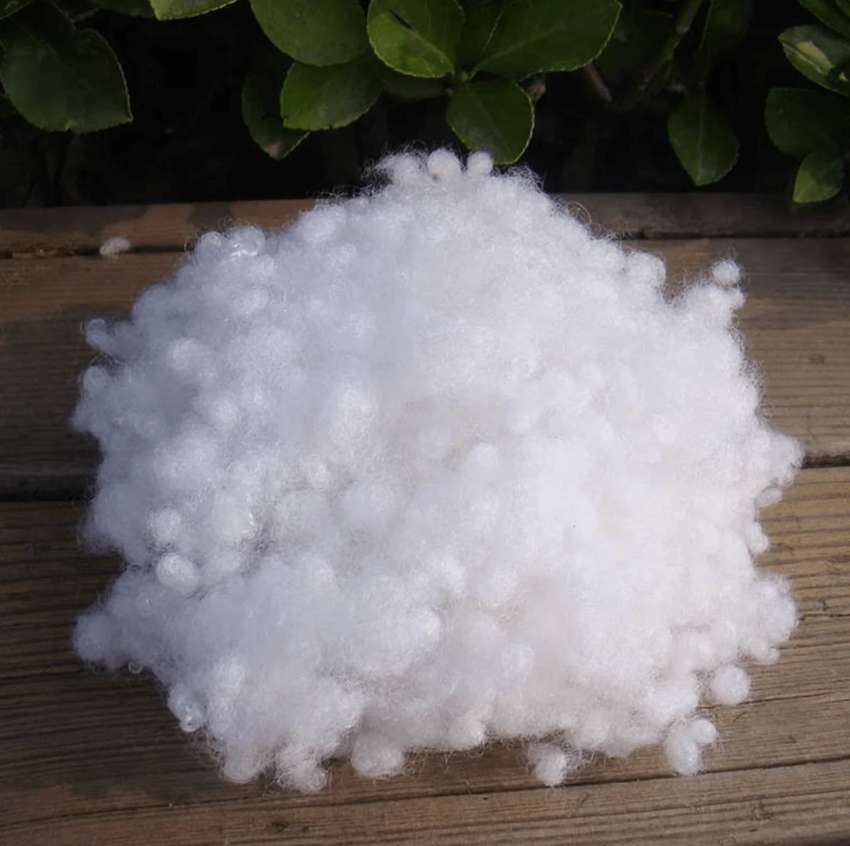
The super-soft fluff that comes off in clumps as the weather warms up, and is cleaned, refined and spun into yarn is cashmere. Traders, processors, donors and international businesses are cottoning on to Afghanistan’s potential as a major producer of cashmere. The Afghanistan government has also recently come up with a cashmere action plan, having recognised potential for cashmere and aiming to target the highest end of the global luxury market, where a designer-label cashmere sweater can cost $1,000.
Years after the 2001 US invasion of Afghanistan, which ousted the Taliban, foreign businesses started arriving, investors willing to bring money and expertise to develop a profitable, niche market. Only about 30 to 40 per cent of Afghanistan’s seven million goats are combed for cashmere, even though up to 95 per cent of the animals could become part of the production chain. Most of the raw product is bought by traders who sell it to Chinese middlemen to feed the mills that produce affordable clothing for much of the world.
The global market value for cashmere is over a billion dollars. As China is known to blend different qualities of cashmere to achieve volume, the top end of the market is wide open for the unadulterated Afghan product.

- 1
- 2
- 3
- 4
- 5
- 6
- 7
- 8
- 9
- 10
Inventory intelligence replaces discounts in new secondhand wholesale trade
The global secondhand apparel industry has entered a new phase of commercial maturity. Once defined by bulk liquidation, aggressive discounting... Read more
Collection, sorting, cost replace technology as the bottleneck in circular fashi…
For years, the global fashion industry treated fibre-to-fibre recycling as a scientific challenge. Chemical recycling technologies, enzyme-based processes and advanced... Read more
Beyond Blue Jeans: How brand identity is reshaping a $103 bn market
The global denim industry is entering a new phase of competition, one in which branding psychology is becoming as valuable... Read more
Beyond Tariffs: How a unified US apparel industry wants to rebuild regional manu…
In a rare show of consensus, some of the US' most influential apparel, footwear and textile organisations have come together... Read more
India-UK CETA: Tariff-free UK access puts India's textile sector on growth track
India's textile and apparel industry is ready for one of its biggest export opportunities in decades as the India-UK Comprehensive... Read more
AI tailoring gains momentum as custom suits transforms premium apparel retail
Technology is reshaping one of fashion's oldest categories menswear. AI, digital body scanning and automated manufacturing are replacing conventional tailoring... Read more
Can trade deals and manufacturing reforms deliver India's textile vision?
India's textile and apparel industry has entered one of its strongest revival phases after several difficult years marked by pandemic... Read more
Women’s wear power global apparel growth as big brands rework retail strategies
For years, the world's largest apparel companies built their businesses around men's denim, workwear and outdoor clothing. That strategy is... Read more
The End of Fibre Blends: Why retailers are moving toward 100% recyclable apparel
The apparel industry is entering a redesign phase as sustainability goals, regulatory pressures, and resource security unite around one central... Read more
Recycled polyester’s next growth phase will be driven by data, not fiber
For much of the last decade, recycled polyester was one of the easiest sustainability wins available to brands. Replacing virgin... Read more