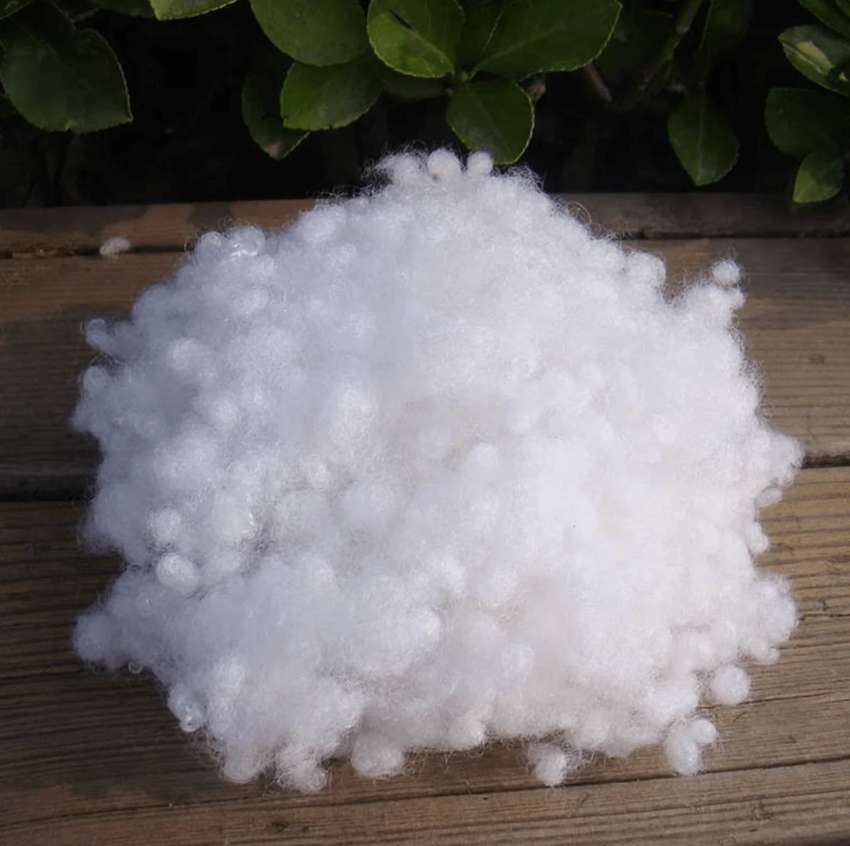
The Asia Pacific region accounts for a major share of the wool worsted yarn market, followed by North America and Europe. Worsted yarns are made from high quality wool. These yarns differ from other woolen yarn based on their weight, type, and quality. The fabric made from worsted woolen yarn is stronger, smoother, and finer than normal wool. Worsted fabric is primarily used for men’s suitings. Compared to normal woolen yarn, worsted woolen yarn tends to be costly as the sheep from which the wool is taken is of higher breed. Also worsted fabric needs more processing, as a result its price tends to increase. These yarns are not carded; instead they are washed, gilled, and combed using heated long-tooth metal combs, later oiled, and spun.
The worsted wool yarn market can be segmented into tropical worsted wool and plain weave worsted wool. They differ based upon the type of fibers used for their production, combinations of fibers used, and blend of fibers used for weaving. Tropical worsted wool is designed to be worn in hot climates. This wool is light, smooth, breathable, and easy to maintain. Tropical worsted wool fabric finds application in making trousers and skirts, among others. Plain weave worsted wool fabric finds application in suits and other upholstery fabrics.

- 1
- 2
- 3
- 4
- 5
- 6
- 7
- 8
- 9
- 10
Inventory intelligence replaces discounts in new secondhand wholesale trade
The global secondhand apparel industry has entered a new phase of commercial maturity. Once defined by bulk liquidation, aggressive discounting... Read more
Collection, sorting, cost replace technology as the bottleneck in circular fashi…
For years, the global fashion industry treated fibre-to-fibre recycling as a scientific challenge. Chemical recycling technologies, enzyme-based processes and advanced... Read more
Beyond Blue Jeans: How brand identity is reshaping a $103 bn market
The global denim industry is entering a new phase of competition, one in which branding psychology is becoming as valuable... Read more
Beyond Tariffs: How a unified US apparel industry wants to rebuild regional manu…
In a rare show of consensus, some of the US' most influential apparel, footwear and textile organisations have come together... Read more
India-UK CETA: Tariff-free UK access puts India's textile sector on growth track
India's textile and apparel industry is ready for one of its biggest export opportunities in decades as the India-UK Comprehensive... Read more
AI tailoring gains momentum as custom suits transforms premium apparel retail
Technology is reshaping one of fashion's oldest categories menswear. AI, digital body scanning and automated manufacturing are replacing conventional tailoring... Read more
Can trade deals and manufacturing reforms deliver India's textile vision?
India's textile and apparel industry has entered one of its strongest revival phases after several difficult years marked by pandemic... Read more
Women’s wear power global apparel growth as big brands rework retail strategies
For years, the world's largest apparel companies built their businesses around men's denim, workwear and outdoor clothing. That strategy is... Read more
The End of Fibre Blends: Why retailers are moving toward 100% recyclable apparel
The apparel industry is entering a redesign phase as sustainability goals, regulatory pressures, and resource security unite around one central... Read more
Recycled polyester’s next growth phase will be driven by data, not fiber
For much of the last decade, recycled polyester was one of the easiest sustainability wins available to brands. Replacing virgin... Read more