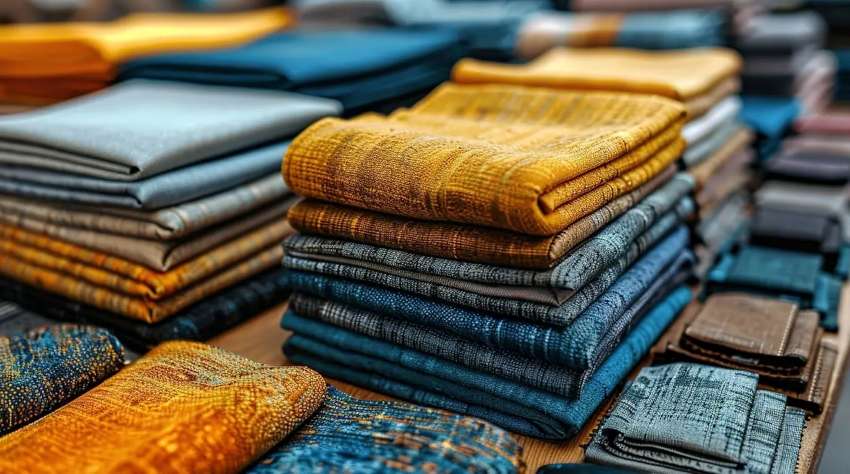
In a significant shift toward industrial self-reliance, a high-level technical committee has reached a consensus to increase cash incentives for garments manufactured with locally produced yarn.
The proposal aims to raise the incentive from the existing 1.5 per cent to as high as 5 per cent, a move designed to decouple the $45 billion Ready-Made Garment (RMG) sector from its heavy reliance on imported raw materials. This strategic recalibration, discussed during a recent inter-ministerial evaluation, is viewed as a critical lifeline for domestic spinning mills, which have seen nearly 50 textile units shut down and others operating at just 50 per cent capacity due to high energy costs and competitive import pressures.
Boosting compliance and regional competitiveness
The incentive hike is strategically timed as Bangladesh prepares for its November 2026 graduation from Least Developed Country (LDC) status. Industry leaders, including representatives from the BGMEA and BTMA, argue, a 5 per cent support level is essential to make domestic yarn commercially viable against cheaper imports. Raising the incentive would enable us to revive over 350 idle apparel units, transforming them back into tax-contributing entities, noted Shehabuddoza Chowdhury, Vice-President, BGMEA. Beyond fiscal relief, the move strengthens ‘backward linkage’ transparency- a growing requirement for Western ‘masstige’ brands demanding verified, sustainable supply chains.
Institutional deadlines and fiscal sustainability
While the government has initially consented to the increase, the Ministry of Finance remains cautious regarding the fiscal impact. The 10-member technical committee is tasked with submitting a final impact report by February 16, 2026, analyzing the budgetary cost versus the projected gains in employment and export revenue. This policy intervention serves as a preemptive measure to safeguard market share in the EU and US, where Bangladesh faces evolving tariff regimes. By incentivizing local sourcing, the administration hopes to transition from a low-wage assembly model to a vertically integrated, high-value textile ecosystem capable of sustaining long-term global dominance.
The textile and apparel industry accounts for over 80 per cent of Bangladesh’s exports and 13 per cent of its GDP. Comprising thousands of factories, the sector is shifting from basic cotton knits to high-value technical textiles and MMF. With a target of $100 billion in exports by 2030, the industry is prioritizing green energy and local value addition.