Canada will clamp down on toxic materials used in children’s jewelry, toys, clothing and accessories. Their use involves reasonably foreseeable contact with the mouth of a child and may therefore, pose lead exposure risk. Strict limits will be imposed on the amount of lead and cadmium used. These will especially apply to clothing and accessories for children under 14 years of age, toys for children three to 14 years old and products whose primary purpose is to facilitate the relaxation, sleep, hygiene, carrying, or transportation of a child less than four years of age. The definition covers products such as baby baths, backpacks, slings, and carriers.
The term children’s jewelry is defined as jewelry manufactured, sized, decorated, packaged, advertised, or sold in a manner that appeals primarily to children under 15 years of age. Excluded from the scope of this definition are merit badges, medals for achievement, and other similar objects normally worn only occasionally.
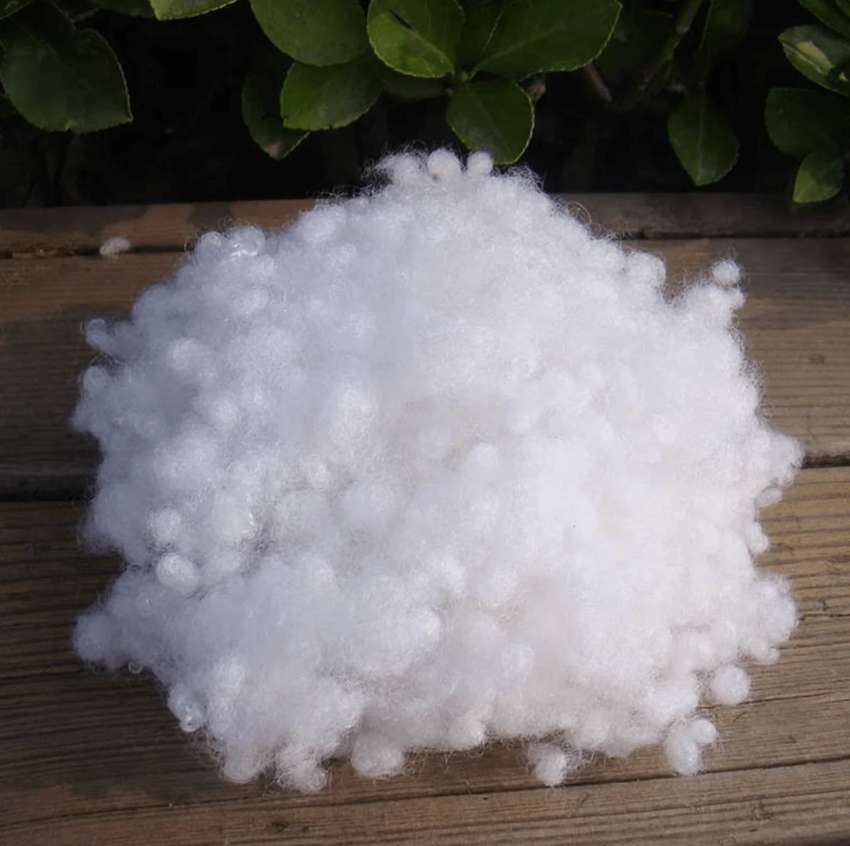
Children’s plastic and rubber shoes, sandals and rain gear need special attention as some of these have high levels of chemical threats. These chemicals can cause rashes, asthma, fatigue, headaches, blurred vision. Clothing that promise stain-resistant, waterproof, or odor-fighting performance technologies may utilize toxic chemicals. Polyester frequently contains traces of antimony.

- 1
- 2
- 3
- 4
- 5
- 6
- 7
- 8
- 9
- 10
Lean stores, stronger margins, H&M's strategy reflects global retail reset
Profits are taking precedence over physical expansion in global apparel retail today. Years of building extensive store networks are giving... Read more
Vietnam overtaking Bangladesh signals a new rulebook for global apparel sourcing
Vietnam replacing Bangladesh as the world's second-largest ready-made garment (RMG) exporter is more than a change in rankings. It marks... Read more
Textile giants spin a stronger profit story in Q1 FY27
After nearly two years of battling volatile cotton prices, higher Minimum Support Prices (MSP), weak global demand and lower spinning... Read more
India must drive scale and competitiveness to expand global textile market share…
India’s long-term growth in textiles and apparel hinges on expanding global export volume, building manufacturing scale, and sharpening cost competitiveness,... Read more
India and Taiwan set for deeper textile synergy beyond competition, says TTF Pre…
Taiwan and India are uniquely positioned to build a highly complementary, cross-border textile ecosystem that leverages Taiwanese technological innovation alongside... Read more
EURATEX Chief Calls for Stronger India-EU Synergy Amid Global Trade Turbulence
Speaking exclusively to Salil Chawla, FashionatingWorld, at the inauguration of Bharat Tex 2026, Dirk Vantyghem, Director General of the European... Read more
India well-positioned in 'China+1' shift, says IAF Chief Stefano Festa Marzotto
The global apparel industry is grappling with a turbulent operating environment marked by geopolitical friction, fluctuating tariffs, and a rapidly... Read more
Vietnam wins, US lag as American retail rewire global apparel supply chains
For years, global retailers expected tariffs, geopolitical tensions and supply chain disruptions to spark a manufacturing renaissance across North and... Read more
Cost, climate and scale push polyester ahead in the global fiber race
The global textile industry is entering a decade where commercial economics, rather than fiber heritage, dictates sourcing decisions. The latest... Read more
Fabric companies stitch together growth despite margin pressures in Q1 FY27
India's pure-play fabric segment entered FY27 with renewed operational confidence as easing raw material costs and stronger domestic demand lifted... Read more