In recent years, trends have been slowly shifting from disposable fashion to sustainable clothing. Organizations have been working to increase awareness about the environmental impacts of apparel development, including energy use, greenhouse gas emissions, waste production as well as labor issues.
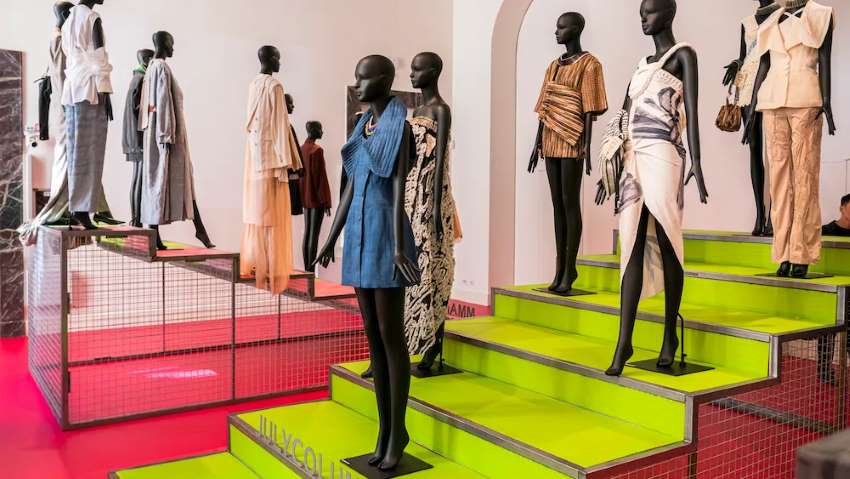
Using recycled products contributes greatly to creating sustainable clothing. For example, recycled polyester can be created from used drinking bottles and fabrics can be made from recycled yarn. Companies are using these recycling techniques. Other companies use fabric waste generated from the production process to create their collections, calling this process up cycling rather than recycling.
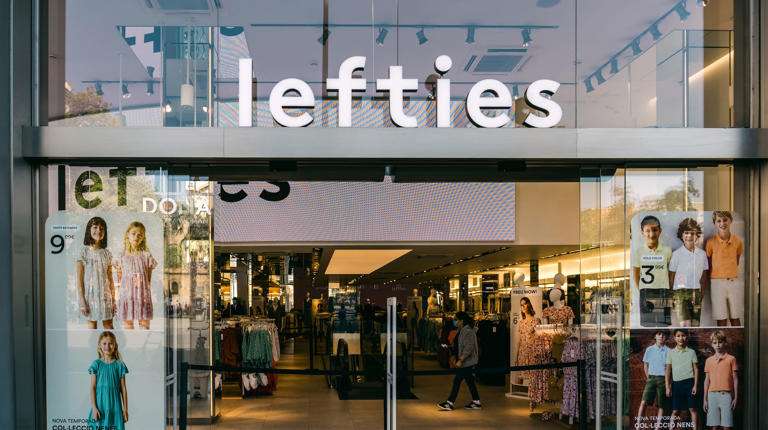
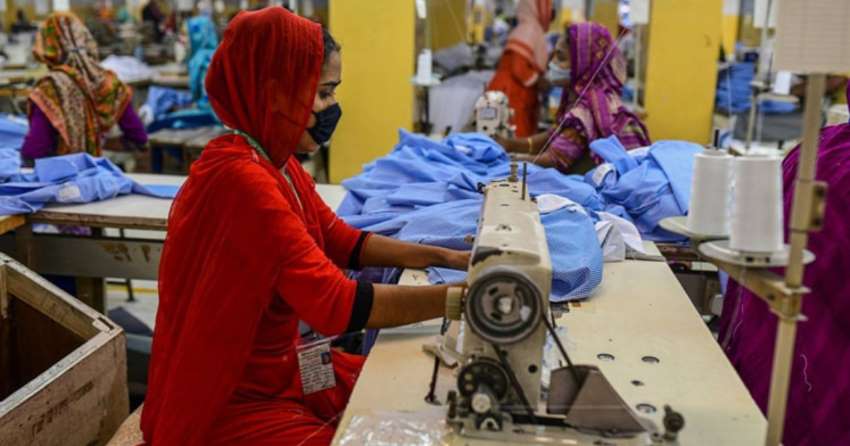
In the late 1990s, the fast fashion trend boomed. Globalization allowed for production to be sent to developing nations where labor and production were cheap and abundant, but the sustainability of the clothing decreased. Brands began putting out up to 18 lines a year as opposed to the traditional two and the rate at which people were purchasing clothing dramatically increased as well as the amount of clothes that end up in landfills.
Fast fashion is a lot like fast food: the garments are cheap, quickly produced, and may be fulfilling for a short amount of time, but eventually take their toll on the environment around us, the way fast food takes a toll on the body.
- 1
- 2
- 3
- 4
- 5
- 6
- 7
- 8
- 9
- 10
The Death of the "Stockpile" Model: Inside the Digital Textile disrupt…
For decades, the global textile industry has been a game of high-stakes gambling: manufacture thousands of identical garments, ship them... Read more
Fuel crisis, rising costs the geopolitical shockwave hitting Indian textiles
The hum of textile machinery in Panipat has gone dead. Over 400 dyeing units have put their shutters, not because... Read more
Price wars, fast fashion, diamond money leads to Surat’s industrial shake-up
The sound of Surat’s diamond polishing wheels, once the city’s heartbeat, is fading. In its place, the relentless pulse of... Read more
India’s textile market nears Rs 15 lakh cr as domestic demand rewrites growth
India’s textile and apparel economy is no longer being driven merely by population growth or festive consumption cycles. It is... Read more
China Discounts, Bangladesh Bleeds: Inside Europe’s new apparel sourcing crisis
Europe’s fashion imports opened 2026 with a hard jolt. Fresh Eurostat-linked trade data for January shows the European Union’s apparel... Read more
Geopolitical volatility triggers sharp decline in global textile confidence: Sur…
The global textile industry is grappling with a sudden and severe downturn in sentiment as regional conflicts disrupt essential trade... Read more
India’s legacy buying houses confront existential challenge as FTAs reshape supp…
The Indian apparel sourcing is being reshaped with a a series of new Free Trade Agreements (FTAs). It is changing... Read more
ICRA sees apparel export recovery in FY27 as margin pressure eases, FTAs gain tr…
India’s apparel export sector is moving out of a year defined by tariff-led disruption and into one shaped by market... Read more
From Price to Purpose: India’s textile leaders chart a sustainable future at CMA…
The Indian textile industry is standing at a historic crossroads. For decades, the sector has been fueled by its reputation... Read more
Industrial automation and AI take center stage at Garment Technology Expo (GTE) …
The conclusion of the 39th Garment Technology Expo (GTE 2026) in Greater Noida has signalled a decisive shift in South... Read more