Earth Logic Action Plan urges businesses across the global fashion sector to radically transform their models in such a way that places nature ahead of short-term financial gain.
This program has been devised by a group of academics, businesses and thought leaders to help fashion firms align with planetary boundaries and address the climate and nature emergencies. The plan wants the fashion sector to reduce its use of virgin resources by 75 per cent by 2030. In order to make this transformation, the plan offers advice on changing business processes, forging new collaborations and managing the financial and social implications of growing out of growth. It also offers advice on the processes needed to maintain and upscale fashion with Earth Logic at its core, including policymaker engagement.
The fashion industry is involved in climate and nature crises. Humanity is now consuming almost twice as many natural resources as the planet can produce. Fashion is estimated to account for around ten per cent of global emissions annually – more than international shipping and aviation combined. It has also been strongly linked to deforestation and water pollution. Between 80 billion to 120 billion garments and 20 billion pairs of shoes are manufactured annually.

- 1
- 2
- 3
- 4
- 5
- 6
- 7
- 8
- 9
- 10
Inventory intelligence replaces discounts in new secondhand wholesale trade
The global secondhand apparel industry has entered a new phase of commercial maturity. Once defined by bulk liquidation, aggressive discounting... Read more
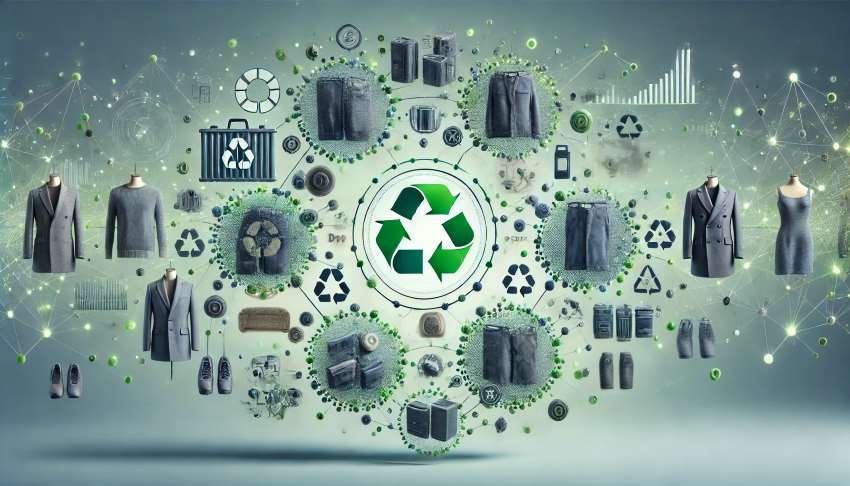
Collection, sorting, cost replace technology as the bottleneck in circular fashi…
For years, the global fashion industry treated fibre-to-fibre recycling as a scientific challenge. Chemical recycling technologies, enzyme-based processes and advanced... Read more
Beyond Blue Jeans: How brand identity is reshaping a $103 bn market
The global denim industry is entering a new phase of competition, one in which branding psychology is becoming as valuable... Read more
Beyond Tariffs: How a unified US apparel industry wants to rebuild regional manu…
In a rare show of consensus, some of the US' most influential apparel, footwear and textile organisations have come together... Read more
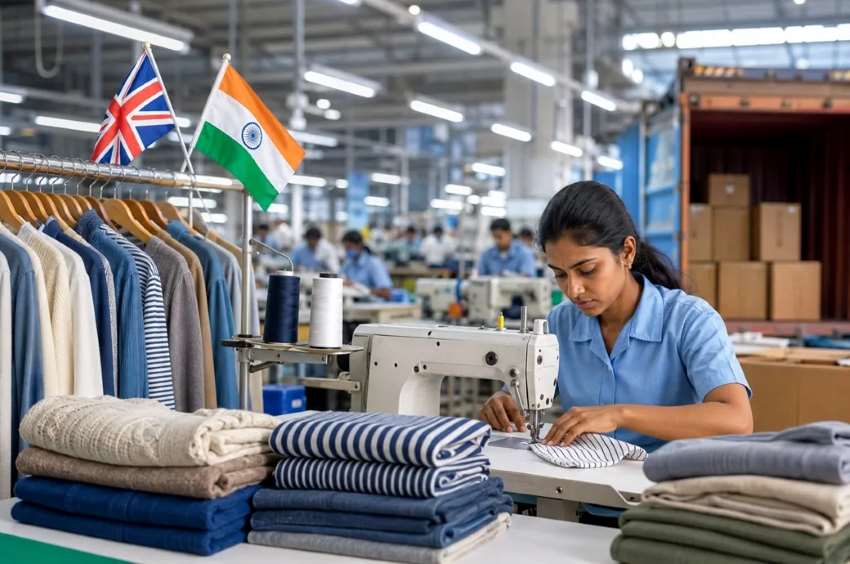
India-UK CETA: Tariff-free UK access puts India's textile sector on growth track
India's textile and apparel industry is ready for one of its biggest export opportunities in decades as the India-UK Comprehensive... Read more
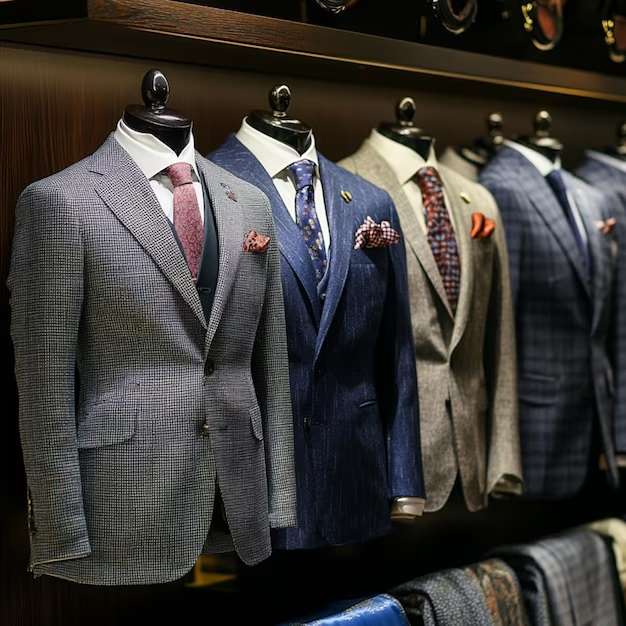
AI tailoring gains momentum as custom suits transforms premium apparel retail
Technology is reshaping one of fashion's oldest categories menswear. AI, digital body scanning and automated manufacturing are replacing conventional tailoring... Read more
Can trade deals and manufacturing reforms deliver India's textile vision?
India's textile and apparel industry has entered one of its strongest revival phases after several difficult years marked by pandemic... Read more
Women’s wear power global apparel growth as big brands rework retail strategies
For years, the world's largest apparel companies built their businesses around men's denim, workwear and outdoor clothing. That strategy is... Read more
The End of Fibre Blends: Why retailers are moving toward 100% recyclable apparel
The apparel industry is entering a redesign phase as sustainability goals, regulatory pressures, and resource security unite around one central... Read more
Recycled polyester’s next growth phase will be driven by data, not fiber
For much of the last decade, recycled polyester was one of the easiest sustainability wins available to brands. Replacing virgin... Read more