Ethiopia has over 2.4 million hectares of land are suitable for cotton production. And this fiscal, over 40,000 tons of cotton were harvested. The aim is to reach 5,02,000 tons in five years and 2,596,000 tons by 2032.
Ethiopia wants to be the top cotton producer in Africa from tenth place as of now. Sustainable production practices will be promoted through awareness raising campaigns about soil erosion, efficient use of irrigation water and inputs and integrated pest management, protection of biodiversity, forests and limitation of waste.
The strategy would help enhance the development of the country’s textile and garment sector. It is targeted to attain various goals including improving textile and garment products, earning better foreign currency, job creation, utilizing the full potential of industry and increasing the contribution of the industry for GDP. It would also contribute to attracting investments, providing adequate inputs for industries and supplying cotton products for foreign markets.
The strategy would promote integrated value and help bring the cotton sector into the industrialization process and will benefit all stakeholders in general and cotton farmers in particular as it would make them more profitable. An independent entity will be established with authority to coordinate activities by various stakeholders through improving policy and institutional framework.

- 1
- 2
- 3
- 4
- 5
- 6
- 7
- 8
- 9
- 10
Cellulosics challenge polyester dominance in global fibre market
The global textile raw-materials market has entered a phase where plant-based and regenerated cellulosic fibres have gain ground against fossil-fuel-derived... Read more
From cotton to MMF cost equation is rewriting global textile trade
The global textile and apparel trade has grown from $560 billion in 2006 to $914 billion in 2025, reveals the... Read more
Polyethylene stretch yarn challenges elastane’s hold on activewear
The global activewear, denim and intimate apparel markets have built a substantial business around stretch. But the same fibre combinations... Read more
Automation Meets Italian Design: FFI Srl unveils ‘Next-Gen Robotics’ to help bra…
At the recently concluded autumn edition of Ready to Show inside Hall 10 at Fiera Milano-Rho—staged alongside the Milano Fashion... Read more
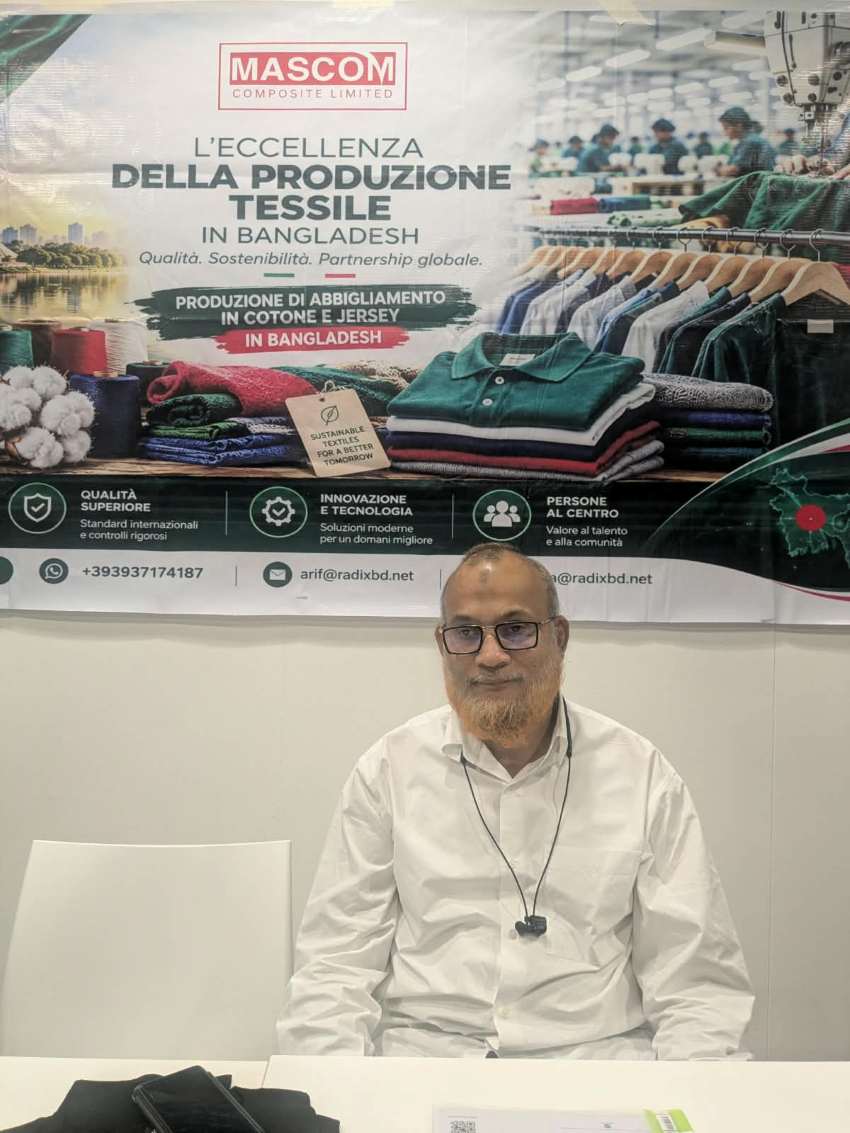
From Dhaka to Milan: Mascom Composite backs Southern Europe’s sports and lifesty…
While the trade floor of Ready to Show Milano inside Hall 10 at Fiera Milano-Rho placed a heavy spotlight on... Read more
How surging silver prices are reshaping ‘Mid-Tier’ fashion jewellery
Escalating global bullion volatility and raw material pricing pressures are forcing a fundamental reassessment across the mid-tier fashion jewellery trade.... Read more
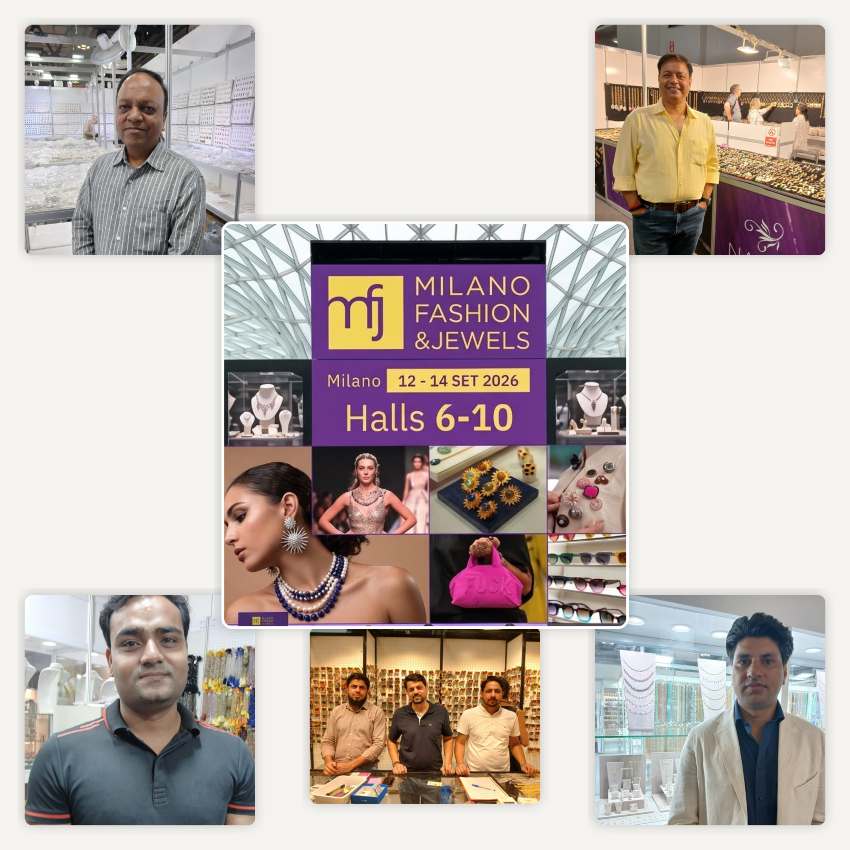
Milano Fashion & Jewels: How ‘Re-Engineered’ heritage crafts are driving hig…
A counter-movement against industrial uniformity is reshaping European bijouterie, transforming authentic craftsmanship into a powerful lever for high-margin boutique growth.... Read more
The "Total Look" Retail Revolution: The integration of jewellery, acce…
The conventional boundaries separating fashion jewellery, ready-to-wear and leather goods, have collapsed on the international retail floor. At the September... Read more
Why Rules of Origin could limit India’s FTA gains
India’s growing network of trade agreements promises lower tariffs and wider market access for its textile and apparel exporters. But... Read more
India-New Zealand FTA opens tariff-free route for textile exporters
The India-New Zealand Free Trade Agreement (FTA), which comes into force on October 20, 2026, creates a new tariff-free corridor... Read more