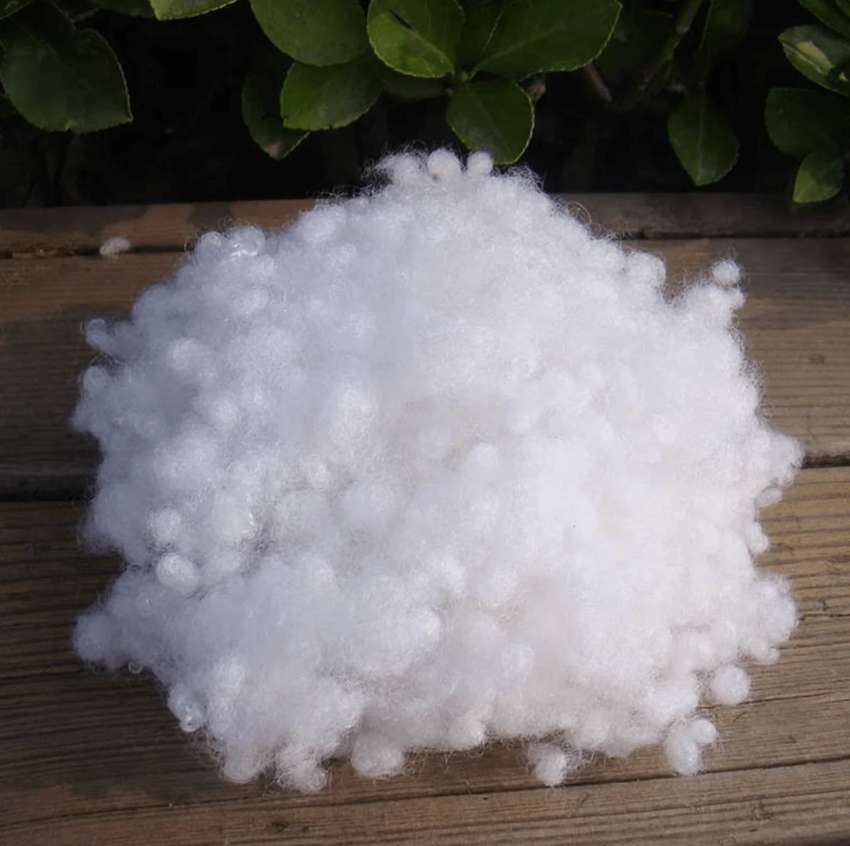
Hirdaramani Apparel is spearheading a transformative industrial shift by repurposing textile byproduct into high-performance ceiling panels. Partnering with the University of Moratuwa’s Pro Green Lab, the manufacturer is transitioning from traditional waste management toward material upcycling. This three-year research endeavor addresses the burgeoning crisis of textile-to-landfill volume by engineering discarded fibers into durable, lightweight construction alternatives. The move signals a strategic departure from conventional waste disposal, positioning textile scrap as a primary raw material for the building sector.
Scalability and market viability
Industry analysts note, while circularity is a common corporate goal, applying it to non-apparel sectors remains a major opportunity. By targeting the eco-friendly ceiling panel market, Hirdaramani seeks to normalize ‘industrial symbiosis’ between fashion and construction. This initiative integrates scientific rigor with industrial requirements, setting a new benchmark for material innovation, states Madhawa Atapattu, Managing Director, Hirdaramani Apparel. With global demand for sustainable building materials rising, the project focuses on achieving industrial-scale production. Success here would provide a scalable blueprint for manufacturers worldwide, proving that textile waste can transition from a liability to a commercially viable resource, ultimately reducing the carbon footprint of both apparel production and commercial construction.
End-to-end solutions for international fashion brands
Hirdaramani Apparel is a prominent global manufacturer providing end-to-end solutions for major international fashion brands. Headquartered in Sri Lanka, the company specializes in apparel production across various categories. Under its Future First Sustainability Roadmap, Hirdaramani focuses on aggressive decarbonization and circular manufacturing, aiming to secure long-term industrial growth.