The fashion industry is one of the most destructive industries on earth. Clothes manufacturing alone creates countless environmental hazards, ranging from water pollution to air pollution to deforestation. A single cotton T-shirt needs at least 257 gallons of water to grow enough cotton to assemble the shirt.
Creating synthetic fibers (polyester, acrylic, nylon, etc.) commonly found in most apparel is more energy intensive since they are made from fossil fuels and they emit more carbon. Pollution doesn’t stop during the manufacturing process, either. Half a million tons of plastic microfibers shed during washing end up in the ocean. Then there is the dyeing process, which gives the clothes color and pollutes waters, which affects the fertility of nearby lands.
The next phase after production is the delivery of apparel and accessories all over the world. About 1.26 billion tons of greenhouse emissions are generated every year, which is more than the amount created by international flights and shipping combined.
Fast fashion companies go through the environmentally damaging production and delivery process more than 50 times per year and in the end the surplus ends up in landfills.
A change must be made in the entire fashion industry by implementing stricter policies on manufacturing and delivery. Finding alternatives to harmful materials and slowing down the fashion cycle is a small price to pay for a healthier environment.
- 1
- 2
- 3
- 4
- 5
- 6
- 7
- 8
- 9
- 10
The Death of the "Stockpile" Model: Inside the Digital Textile disrupt…
For decades, the global textile industry has been a game of high-stakes gambling: manufacture thousands of identical garments, ship them... Read more
Fuel crisis, rising costs the geopolitical shockwave hitting Indian textiles
The hum of textile machinery in Panipat has gone dead. Over 400 dyeing units have put their shutters, not because... Read more
Price wars, fast fashion, diamond money leads to Surat’s industrial shake-up
The sound of Surat’s diamond polishing wheels, once the city’s heartbeat, is fading. In its place, the relentless pulse of... Read more
India’s textile market nears Rs 15 lakh cr as domestic demand rewrites growth
India’s textile and apparel economy is no longer being driven merely by population growth or festive consumption cycles. It is... Read more
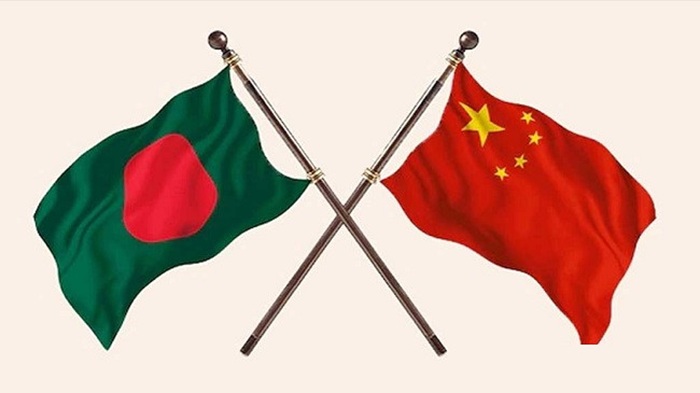
China Discounts, Bangladesh Bleeds: Inside Europe’s new apparel sourcing crisis
Europe’s fashion imports opened 2026 with a hard jolt. Fresh Eurostat-linked trade data for January shows the European Union’s apparel... Read more
Geopolitical volatility triggers sharp decline in global textile confidence: Sur…
The global textile industry is grappling with a sudden and severe downturn in sentiment as regional conflicts disrupt essential trade... Read more
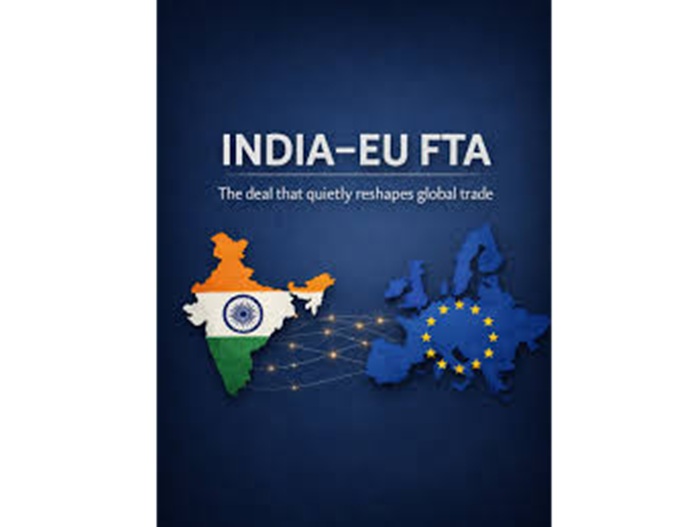
India’s legacy buying houses confront existential challenge as FTAs reshape supp…
The Indian apparel sourcing is being reshaped with a a series of new Free Trade Agreements (FTAs). It is changing... Read more
ICRA sees apparel export recovery in FY27 as margin pressure eases, FTAs gain tr…
India’s apparel export sector is moving out of a year defined by tariff-led disruption and into one shaped by market... Read more
From Price to Purpose: India’s textile leaders chart a sustainable future at CMA…
The Indian textile industry is standing at a historic crossroads. For decades, the sector has been fueled by its reputation... Read more
Industrial automation and AI take center stage at Garment Technology Expo (GTE) …
The conclusion of the 39th Garment Technology Expo (GTE 2026) in Greater Noida has signalled a decisive shift in South... Read more