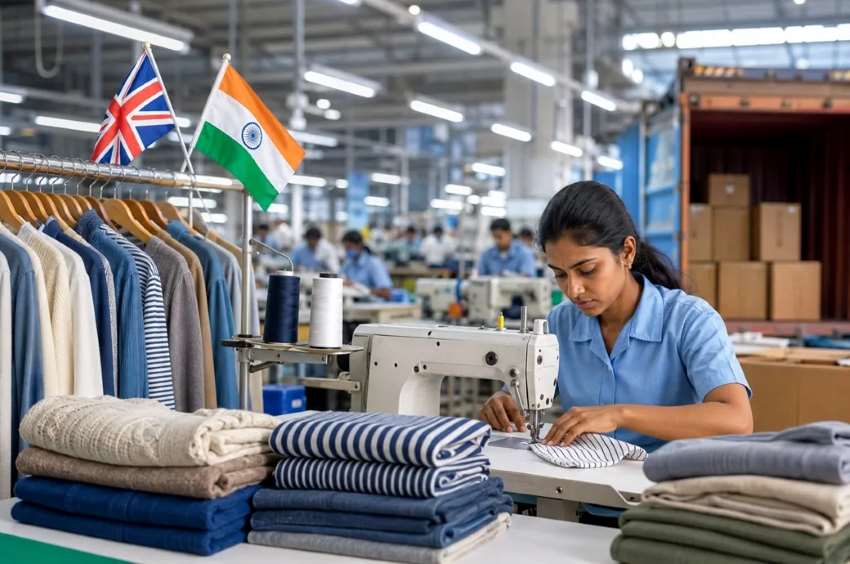
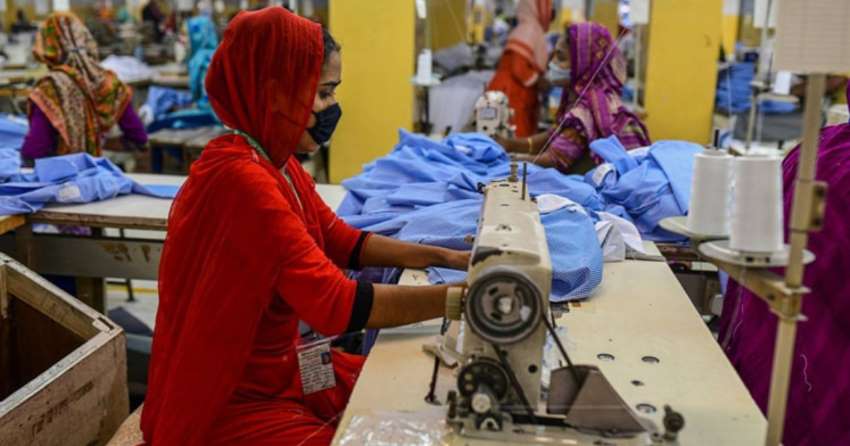
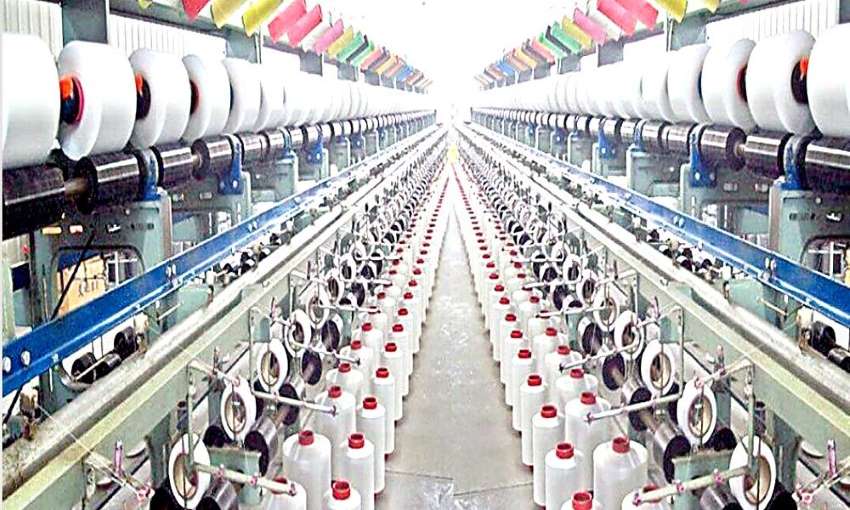
A World Bank book titled ‘Stitches to Riches’, offers specific policy recommendations for stakeholders to better leverage the apparel manufacturing sector's potential in South Asia. The book is focused on identifying key bottlenecks and areas for improvement in the South Asian countries compared with those of their closest competitors in the South East Asian region (Vietnam, Cambodia, and Indonesia).
The recommendations include:) removing trade restrictions to allow easy access to manmade fibers as inputs; increasing efficiency along the value chain such as integration between textile and apparel; and third improving social and environmental compliance by introducing better human resource practices.
At the country level, policy highlights include suggestions that Bangladesh should improve performance on non-cost factors important to buyers. Stitches to Riches says India must address constraints to firm growth (like integration of textile and apparel, and access to manmade fibers), and Sri Lanka should position itself as regional hub and take advantage of emerging markets.
The book also suggests that Pakistan should increase product diversity and reliability, and take advantage of new markets. Stitches to Riches has been motivated by South Asia's urgent need to create more and better jobs for a growing population.
- 1
- 2
- 3
- 4
- 5
- 6
- 7
- 8
- 9
- 10
The €11 bn deadlock, can Europe’s textile recycling catch up?
Europe is at a tipping point. Fast fashion consumption, led by rising incomes and a growing global middle class, has... Read more
From field to fiber, Bharat CottonNet is closing India’s cotton value gap
India’s cotton economy is entering a decisive phase of reform with the rollout of Bharat CottonNet 2026 along with the... Read more
US apparel imports drop 13.5% as Vietnam gains and China’s grip breaks
The US apparel sourcing market has entered 2026 with a sharp demand decline but an equally important shift in supplier... Read more
H&M finds growth below revenue line as margin discipline pays off
H&M Group’s latest quarter signals a decisive shift in global fast fashion: scale is no longer the primary reason for... Read more
As Europe cuts orders, India sees a rare export window post-FTA
The sharp dip in EU apparel imports is not, at first glance, the kind of headline exporters celebrate. January’s 15.48... Read more
The Death of the "Stockpile" Model: Inside the Digital Textile disrupt…
For decades, the global textile industry has been a game of high-stakes gambling: manufacture thousands of identical garments, ship them... Read more
Fuel crisis, rising costs the geopolitical shockwave hitting Indian textiles
The hum of textile machinery in Panipat has gone dead. Over 400 dyeing units have put their shutters, not because... Read more
Price wars, fast fashion, diamond money leads to Surat’s industrial shake-up
The sound of Surat’s diamond polishing wheels, once the city’s heartbeat, is fading. In its place, the relentless pulse of... Read more
India’s textile market nears Rs 15 lakh cr as domestic demand rewrites growth
India’s textile and apparel economy is no longer being driven merely by population growth or festive consumption cycles. It is... Read more
China Discounts, Bangladesh Bleeds: Inside Europe’s new apparel sourcing crisis
Europe’s fashion imports opened 2026 with a hard jolt. Fresh Eurostat-linked trade data for January shows the European Union’s apparel... Read more