Leading apparel retailers like Adidas, Marks and Spencer, Patagonia and Phillips-Van Heusen have taken steps against cotton from Uzbekistan entering their supply chain to protest against forced labour practices in the country. A survey named ‘Cotton Sourcing Snapshot: A Survey of Corporate Practices to End Forced Labor’, of 49 apparel and home goods firms released by the Responsible Sourcing Network (RSN) looked at what the companies are doing to identify risks, establish policies, implement procedures, and disclose practices to eliminate and prevent incidents of forced labour in cotton harvesting. Evaluations covered 11 indicators across policy, public disclosure, engagement, and implementation and auditing.
While only five companies scored over 50 points, 19 scored under 25 points, and two companies scored zero. Among those with the lowest rankings were Costco, Forever 21 and Sears, with All Saints and Urban Outfitters coming last according to the report.
The report found that only 2 per cent of companies surveyed fully disclose progress and/or challenges with their strategies on Uzbek cotton, and only 6 per cent have fully implemented a traceability or spinner verification program.
Of those that do implement best practices, 18.5 per cent are involved in spinner efforts individually or through another initiative; 16 per cent provide training and require their suppliers/spinners to abide by their policies; an additional 8 per cent also include this in their supplier contracts; and 12 per cent have independent third-party audits of their spinners/mills.
www.sourcingnetwork.org

- 1
- 2
- 3
- 4
- 5
- 6
- 7
- 8
- 9
- 10
Polyethylene stretch yarn challenges elastane’s hold on activewear
The global activewear, denim and intimate apparel markets have built a substantial business around stretch. But the same fibre combinations... Read more
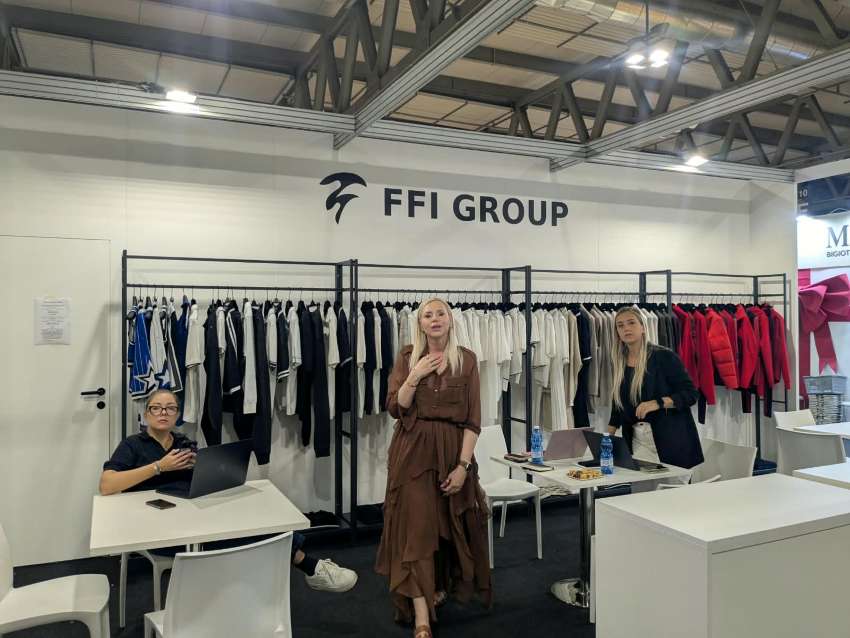
Automation Meets Italian Design: FFI Srl unveils ‘Next-Gen Robotics’ to help bra…
At the recently concluded autumn edition of Ready to Show inside Hall 10 at Fiera Milano-Rho—staged alongside the Milano Fashion... Read more
From Dhaka to Milan: Mascom Composite backs Southern Europe’s sports and lifesty…
While the trade floor of Ready to Show Milano inside Hall 10 at Fiera Milano-Rho placed a heavy spotlight on... Read more
How surging silver prices are reshaping ‘Mid-Tier’ fashion jewellery
Escalating global bullion volatility and raw material pricing pressures are forcing a fundamental reassessment across the mid-tier fashion jewellery trade.... Read more
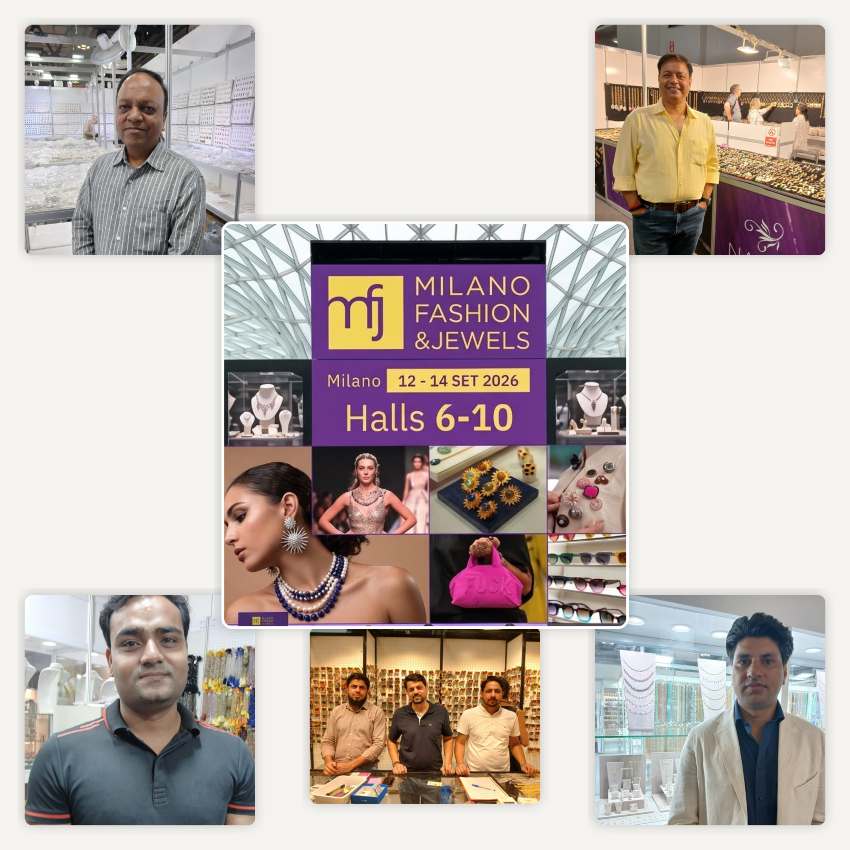
Milano Fashion & Jewels: How ‘Re-Engineered’ heritage crafts are driving hig…
A counter-movement against industrial uniformity is reshaping European bijouterie, transforming authentic craftsmanship into a powerful lever for high-margin boutique growth.... Read more
The "Total Look" Retail Revolution: The integration of jewellery, acce…
The conventional boundaries separating fashion jewellery, ready-to-wear and leather goods, have collapsed on the international retail floor. At the September... Read more
Why Rules of Origin could limit India’s FTA gains
India’s growing network of trade agreements promises lower tariffs and wider market access for its textile and apparel exporters. But... Read more
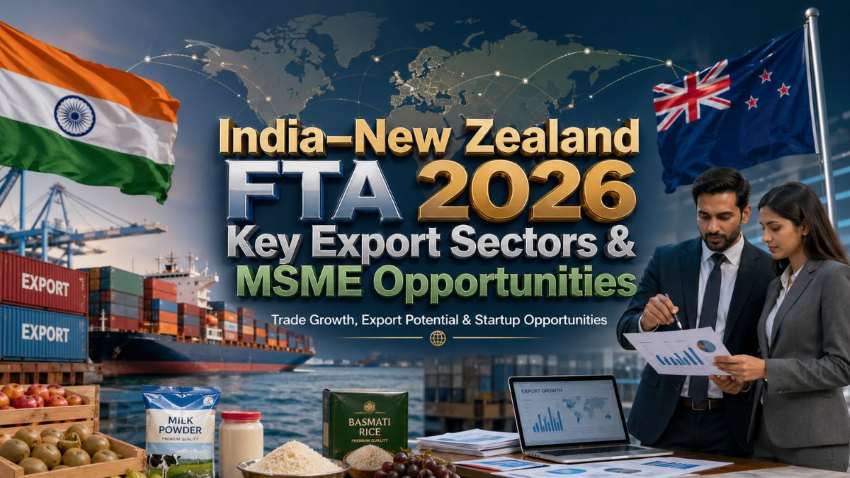
India-New Zealand FTA opens tariff-free route for textile exporters
The India-New Zealand Free Trade Agreement (FTA), which comes into force on October 20, 2026, creates a new tariff-free corridor... Read more
Virgin polyester drives global fibre output to record 139 mn tonnes
Global textile fibre production reached a record 139 million tonnes in 2025, up 5.3 per cent from 132 million tonnes... Read more
Turkish apparel bets on ‘High-End Value’ at Ready to Show Milano
At the autumn session ( September 12-14, 2026) of Ready to Show inside Hall 10 of Fiera Milano-Rho, the Mediterranean... Read more