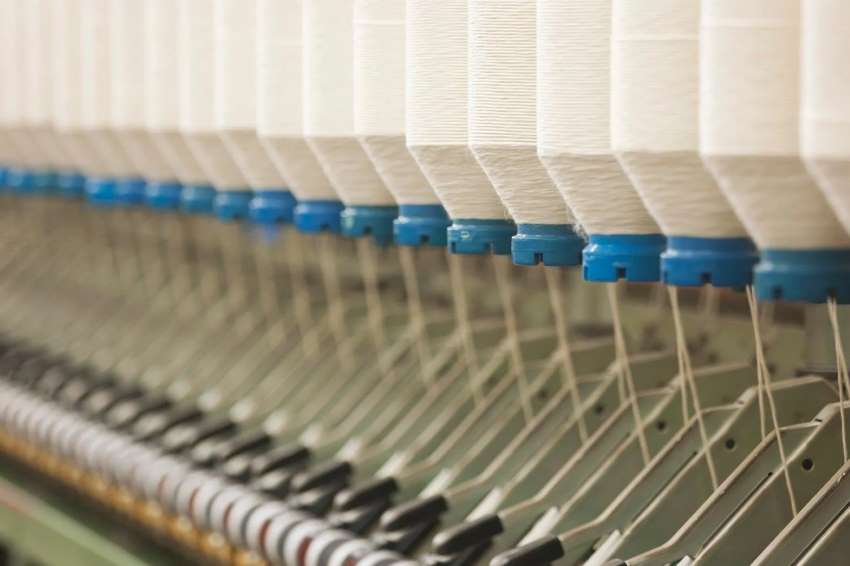
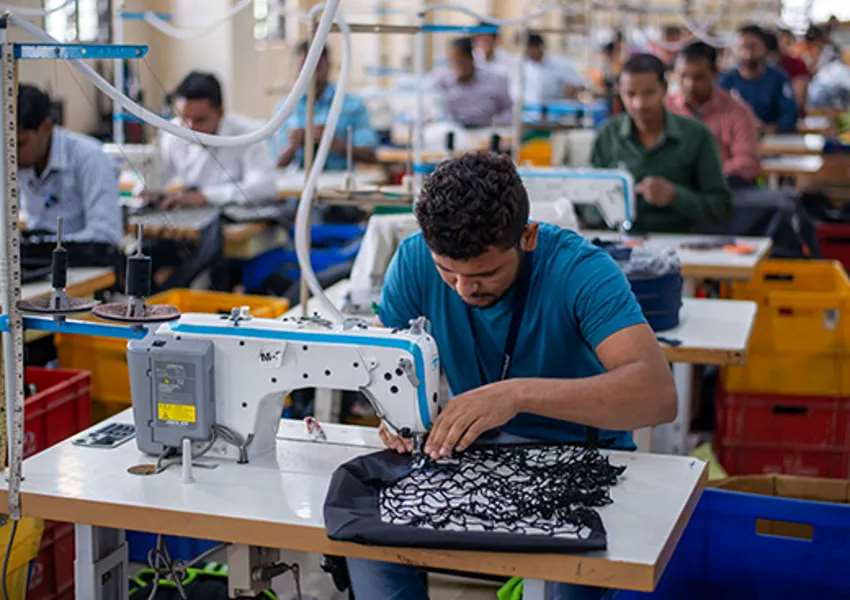
Global textile and yarn makers see Bangladesh as a potential market. Though fabrics and yarn are being locally made, Bangladesh still needs to import a good quantity to meet the growing demand. In Bangladesh, local spinners meet over 90 per cent of the demand for raw materials of the knitwear sector and over 40 per cent demand of the woven sector.
The demand for specialised textiles like linen is very high in Bangladesh, which is quite capable of supplying fabrics in bulk to garment makers. Chinese companies see Bangladesh as their future market as China has been losing market share in the global apparel business. Some of them plan to open offices in Bangladesh since the fabrics and yarn market in Bangladesh is growing due to higher demand from customers. Bangladesh is a good market for them as demand for fabrics is rising from garment makers.
There is a huge demand for linen products in Bangladesh and millions of yards of fabric need to be produced in a year. Bangladesh’s apparel exports to the US, its single largest destination, declined 1.96 per cent year-on-year in 2016 due to the volatile US economy and the recent presidential election. Exports to the UK and some other European markets also fell last year.

- 1
- 2
- 3
- 4
- 5
- 6
- 7
- 8
- 9
- 10
Vietnam wins, US lag as American retail rewire global apparel supply chains
For years, global retailers expected tariffs, geopolitical tensions and supply chain disruptions to spark a manufacturing renaissance across North and... Read more
Cost, climate and scale push polyester ahead in the global fiber race
The global textile industry is entering a decade where commercial economics, rather than fiber heritage, dictates sourcing decisions. The latest... Read more
Fabric companies stitch together growth despite margin pressures in Q1 FY27
India's pure-play fabric segment entered FY27 with renewed operational confidence as easing raw material costs and stronger domestic demand lifted... Read more
From Stubble to Silk: How agricultural residues are unlocking India’s circular f…
Every autumn across northern India, millions of tons of agricultural crop residue are burned in open fields, creating a seasonal... Read more
The Domestic Comfort Trap: Why Indian textile majors are missing the $300 Billio…
India’s domestic retail landscape is experiencing an unprecedented boom. Fuelled by a massive consumer base, rising disposable incomes, and rapid... Read more
Q1 FY27 signals new pattern in textiles as integrated players outpace commodity …
The first quarter of FY27 marks a decisive turning point for India's textile industry, revealing a move that extends well... Read more
Compliance as the New Currency: Why global fashion is trading lowest-cost sourci…
For decades, the global apparel sourcing playbook was deceptively simple: locate the cheapest labor pool, negotiate down raw material costs,... Read more
Manufacturing Meets Retail: China’s M2C blueprint redefines fashion economics
The traditional divide between manufacturing and retail is rapidly disappearing in China. For decades, global apparel production operated through a... Read more
India's textile exporters win competitive advantage in new US tariff regime
A sweeping overhaul of US trade policy has created one of the most competitive openings for India's textile and apparel... Read more
Yarn Expo Autumn: A vital barometer for fiber innovation
Global apparel brands and textile manufacturers are rapidly re-engineering their procurement strategies, pivoting from traditional commodity fibers toward high-tenacity, circular,... Read more