The global apparel sector is entering a phase where channel strategy is no longer a tactical lever but a core determinant of profitability. Levi Strauss & Co. has emerged as a defining case study in this shift, reporting that direct-to-consumer (DTC) channels now account for 52 per cent of its total revenues in the first quarter of fiscal 2026.
This milestone is not merely symbolic. It reflects a disciplined rebalancing of distribution, where digital platforms and company-operated stores scale in tandem with a still-expanding wholesale network. With quarterly revenues rising 14 per cent to $1.74 billion, Levi’s performance signals a move away from the industry’s earlier DTC at any cost focus to a more measured, hybridized commercial architecture.
Reframing the channel debate
The difference in channel strategies across global sportswear and denim majors has become increasingly pronounced. Nike, for instance, pursued an aggressive DTC shift by sharply reducing wholesale partnerships. While this initially increased margins and brand control, it eventually created distribution voids and inventory imbalances, forcing a relook and a renewed emphasis on wholesale partnerships by late 2025.
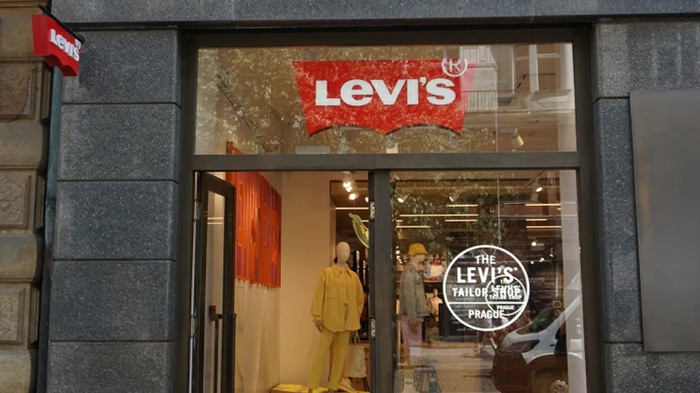
Levi’s, under CEO Michelle Gass, has taken a different route. The company’s ‘DTC-first but not DTC-exclusive’ philosophy has enabled it to scale its owned retail footprint now over 1,200 stores, without eroding wholesale productivity. Notably, wholesale revenues grew 12% during the quarter, underscoring that DTC expansion has been demand-led rather than substitution-driven. This distinction is critical. Rather than cannibalizing existing channels, Levi’s has increased total addressable demand, preserving its presence across diverse consumer touchpoints.
Growth anchored in channel synergy
The company’s regional performance shows how DTC and wholesale integration is driving growth across markets.
Table 1: Levi Strauss & Co. Q1 2026 revenue by region
|
Region |
Reported growth |
Organic growth |
DTC share growth |
|
Americas |
+9% |
+7% |
+10% |
|
Europe |
+24% |
+10% |
+19% |
|
Asia |
+13% |
+12% |
+18% |
|
Global Total |
+14% |
+9% |
+16% (Total DTC) |
The table highlights a dual-engine growth model. Europe emerges as a standout, combining strong reported growth with a sharp increase in DTC penetration, indicating successful premiumization and retail expansion. Asia, meanwhile, shows balanced organic growth and rising DTC contribution, reflecting both market maturity and digital adoption. Importantly, the Americas, Levi’s most established market continues to deliver steady gains, suggesting that the hybrid model is resilient even in saturated environments.
Monetizing brand control without overreach
Levi’s channel strategy is closely tied to its margin profile. The company reported a gross margin of 61.9 per cent, supported by disciplined pricing and reduced reliance on promotions. While operating margins reduced slightly to 11.4 per cent due to planned marketing investments and tariff pressures, the higher DTC mix is acting as a structural buffer against volatility.
The company’s ‘Behind Every Original’ campaign has increased brand equity, driving a 17 per cent increase in organic e-commerce and a 7 per cent rise in comparable store sales. This shows an advantage of DTC channels: the ability to directly translate brand storytelling into measurable commercial outcomes.
Equally significant is inventory management. Levi’s inventory grew by just 4 per cent, a stark contrast to the double-digit overhangs seen across the sector in recent cycles. By maintaining tighter control over demand signals through its owned channels, the company has avoided the markdown-heavy corrections that have eroded margins for many competitors.
Lessons from competing models
The Levi’s approach is increasingly influencing peers facing their own channel transitions.
Table 2: Comparative channel strategies in global apparel
|
Company |
Strategy |
Current outcome |
|
Nike |
Aggressive DTC push; reduced wholesale exposure. |
Rebuilding wholesale after distribution gaps. |
|
Under Armour |
Targeting 50% DTC via brand-owned stores. |
Transition underway amid revenue pressures. |
|
Adidas |
Rebalancing channels post inventory corrections. |
Stabilizing with mixed distribution strategy. |
|
Levi Strauss & Co. |
Balanced DTC expansion with simultaneous wholesale growth. |
Achieved 52% DTC with 12% wholesale growth. |
This comparison underscores a broader industry lesson: channel transformation is not merely about increasing DTC share, but about sequencing that transition without destabilizing distribution. Levi’s success lies in synchronizing both channels rather than prioritizing one at the expense of the other.
From denim specialist to lifestyle platform
Beyond channel metrics, Levi’s evolution reflects a deeper shift from a wholesale-driven denim manufacturer to a diversified lifestyle brand. The company’s presence across over 100 countries, along with its focus on women’s wear and international markets, is boosting its revenue base beyond core denim categories. It raised fiscal 2026 adjusted EPS guidance of $1.42-$1.48 signals confidence in both demand momentum and operational discipline. More importantly, it highlights the scalability of a model where channel strategy is embedded into product storytelling and consumer engagement.
Thus Levi’s 52 per cent DTC milestone is less about hitting a numerical threshold and more about redefining how brands interact with consumers. The company’s hybrid model demonstrates that owning the customer relationship does not require abandoning wholesale reach. As the apparel sector deals with demand volatility, inventory risks, and margin pressures, the Levi’s playbook offers a pragmatic path forward: build direct channels to capture value, but sustain wholesale networks to preserve scale. In an increasingly fragmented retail environment, it is this balance not extremity that is emerging as the true driver of resilience.