While the global personal luxury goods market remains broadly stable at around €358 billion, the apparent resilience masks a deeper shift unfolding across Asia's two largest consumption markets: India and China.
For years, European luxury houses relied on a predictable formula: sell aspiration through logos, heritage and exclusivity to a rapidly expanding middle class. That formula is now under pressure. Across both markets, consumers are becoming more selective, more experience-driven and increasingly focused on functionality, cultural relevance and personal meaning rather than overt status signalling. This has led to a realignment that is forcing global fashion brands to rethink how they design products, operate stores and engage consumers.
End of easy aspirations
The first warning sign for luxury fashion has been the erosion of the aspirational customer base that traditionally drove volume growth through entry-level luxury purchases such as handbags, footwear and ready-to-wear apparel. Industry estimates reveal the luxury sector has lost nearly 20 million active consumers globally, with much of the decline concentrated among middle-income shoppers. In China, younger consumers are increasingly questioning the culture of conspicuous consumption that fuelled luxury growth for nearly two decades.
This difference has created a sharply polarized market. At the top end, ultra-luxury brands continue to thrive. Houses such as Hermès have maintained strong momentum among ultra-high-net-worth consumers, demonstrating the enduring appeal of scarcity and craftsmanship. In contrast, brands that depend heavily on aspirational spending have seen slower demand. Consumers are becoming more cautious about paying premium prices for products that offer little differentiation beyond branding.
At the same time, China's growing second-hand luxury market is changing perceptions of ownership. Luxury products are increasingly viewed as assets with utility and resale value rather than permanent status symbols, further challenging traditional retail models.
When experiences win the wallet
Perhaps the most significant change in consumer behaviour is the shift from ownership to experiences. China's May Day holiday spending patterns highlight this trend. Despite strong travel activity and rising discretionary spending, premium apparel retailers and luxury shopping centres have struggled to capture a proportional share of consumer expenditure.
Instead, affluent consumers in the 22-to-35 age bracket are allocating larger portions of their disposable income toward concerts, sporting events, adventure travel and curated lifestyle experiences. This behavioural shift reflects a broader cultural mindset that prioritizes happiness, self-expression and memorable experiences over material accumulation. For fashion retailers, it means that a product alone is no longer enough to justify premium pricing.
Stores become destinations
To remain relevant, brands are transforming stores from transactional spaces into experiential environments. Shanghai has emerged as a testing ground for this strategy. During the first quarter of 2026, dozens of new flagship concepts opened across the city, replacing traditional merchandising-heavy layouts with immersive experiences.
Beauty and wellness brands have introduced spaces focused on relaxation, sensory engagement and guided consumer journeys. Heritage footwear labels are using storytelling, live craftsmanship demonstrations and archival exhibitions to deepen emotional connections with shoppers. Fashion brands are increasingly integrating hospitality concepts, cafés and social spaces into their retail footprints. The objective is clear: create destinations that consumers actively seek out rather than stores they merely visit to make a purchase.
Functionality becomes the new luxury
Another major disruption is the rise of technically sophisticated domestic brands. For long, European luxury labels enjoyed a near-monopoly on perceptions of quality and innovation. That advantage is narrowing as local brands invest heavily in research, engineering and category specialization.
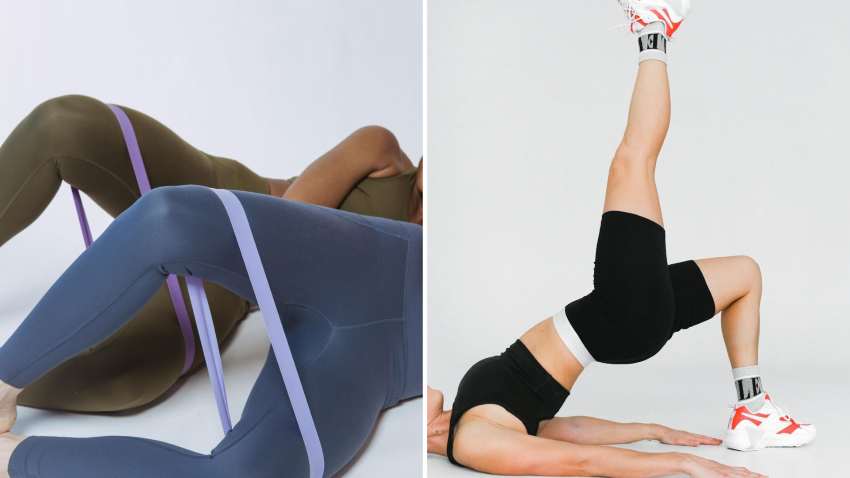
China's outdoor apparel market is a striking example. At elite endurance events and ultra-marathons, domestic performance brands are increasingly outperforming global competitors in terms of consumer adoption. Success is being driven not by lower prices but by superior product relevance. Brands are developing apparel and footwear specifically tailored to local consumer needs, including products engineered around female biomechanics and regional sporting preferences.
The shift signals a broader evolution in luxury consumption. Increasingly, consumers are willing to pay premium prices for measurable performance benefits rather than symbolic branding alone.
India's festive advantage
While China is redefining luxury through experiences and functionality, India is charting a different path rooted in culture and celebration. Luxury apparel has become one of the strongest-performing categories within India's premium consumption scene, with wedding and occasion wear emerging as key growth drivers.
Table: Apparel power play profiles (2025-26 operational estimates)
|
Corporate player |
Core apparel strategy |
Initiatives/apparel labels |
Financial & operational health |
|
Reliance Retail |
Ecosystem Dominance: Multi-tier, multi-brand ecosystem spanning value-apparel to absolute luxury. |
Trends, Azorte, Reliance Brands (Global Label Partnerships), Yousta, AJIO |
High growth via massive storefront footprints; expanding accessible luxury via strategic entries like Maje. |
|
Trent (Tata Group) |
Velocity & Efficiency: Hyper-fast clothing inventory turns with vertically integrated private-label margins. |
Zudio (Value Casual), Westside (Mid-Premium Western/Modern) |
Sector-leading PAT growth and high ROCE; scaling Zudio at ~200 dedicated apparel stores per year. |
|
ABFRL |
Premium Brand Building: Focus on premiumizing aspirational lifestyle wear and consolidating wedding-festive wear. |
Pantaloons, Louis Philippe, Van Heusen, Sabyasachi (Couture/Bridal) |
Focus on structural debt reduction and premiumizing core lifestyle retail layouts. |
|
Arvind Fashions |
Premium Casualization: Scaling global casual licenses into high-margin urban street and leisurewear. |
U.S. Polo Assn., Flying Machine, Tommy Hilfiger, Arrow |
Strong performance; revenue rose 14% to Rs 5,266 crore in FY26 with ROCE exceeding 23.5%. |
|
Raymond Group |
Heritage & Hybridization: Shifting pure formal suiting fabrics into ready-to-wear ethno-fusion hubs. |
Raymond Ready-to-Wear, Ethnix, Park Avenue |
Revenue topped $743 million for the first time in FY26, driven by a highly lucrative wedding season play. |
|
Global Independents |
Global Precision: Operational focus on ultra-high per-sq-ft inventory productivity and durability. |
Uniqlo (Functional Basics), Zara (High-Street Trend), H&M |
Uniqlo India leads global players with a reported PAT of Rs 184 crore, accelerating heavily into 2026. |
The strength of this segment lies in its deep cultural foundations. Unlike western formalwear, which often follows economic cycles, Indian wedding and festive apparel remains closely tied to social traditions and ceremonial spending. Recognizing this opportunity, major apparel companies have expanded aggressively into ethnic and occasion wear. Established textile and apparel players have leveraged manufacturing scale, distribution networks and supply-chain efficiency to compete with fragmented designer boutiques and regional specialists. The result is the emergence of a highly organized premium ethnicwear market capable of serving consumers across multiple price points.
Table: The markets driving change
|
Market |
Fast-growing apparel segments |
Pressure points for global brands |
Strategic response |
|
China |
Ultra-luxury apparel, technical outdoor wear, wellness-focused clothing, longevity products |
Mid-tier logo-driven fashion, generic western youthwear, traditional mall formats |
Build experiential retail concepts and develop products aligned with wellness and ageing consumers |
|
India |
Value fashion, premium basics, luxury ethnicwear, bridal couture |
Generic western formalwear, weak localization strategies |
Localize assortments and partner with established domestic retail ecosystems |
The table highlights a reality: there is no longer a single Asian luxury consumer. Success increasingly depends on market-specific strategies rather than global templates.
Demographics reshape demand
Long-term demographic trends are further accelerating this transformation. China's declining birth rate is shrinking the size of younger consumer cohorts that traditionally powered fashion demand. At the same time, the country's rapidly expanding silver economy is creating opportunities in wellness-oriented, functional and premium comfort apparel.
Consumers over 60 are becoming a powerful spending force, particularly in major urban centres. Their purchasing priorities differ significantly from those of younger shoppers, placing greater emphasis on quality, health and practicality.
India presents the opposite demographic story. A growing affluent population is expected to expand rapidly over the next few years, creating a substantial new consumer base for premium fashion.
Women are increasingly driving luxury fashion purchases, while physical retail continues to dominate the shopping journey. Personalized services, bridal consultations and exclusive styling experiences remain critical components of the premium fashion ecosystem.
A new luxury playbook
The message emerging from Asia is unmistakable. Consumers are no longer passive recipients of global fashion trends. They are demanding products and experiences that reflect their lifestyles, values and cultural contexts. For global fashion brands, heritage alone is no longer sufficient. Future growth will depend on the ability to create immersive retail experiences, develop technically relevant products and build authentic local connections.
The era when a logo alone could command loyalty is fading. In its place, a new luxury paradigm is emerging one where experience, functionality and cultural relevance determine who wins the next phase of growth in the world's most important fashion markets.