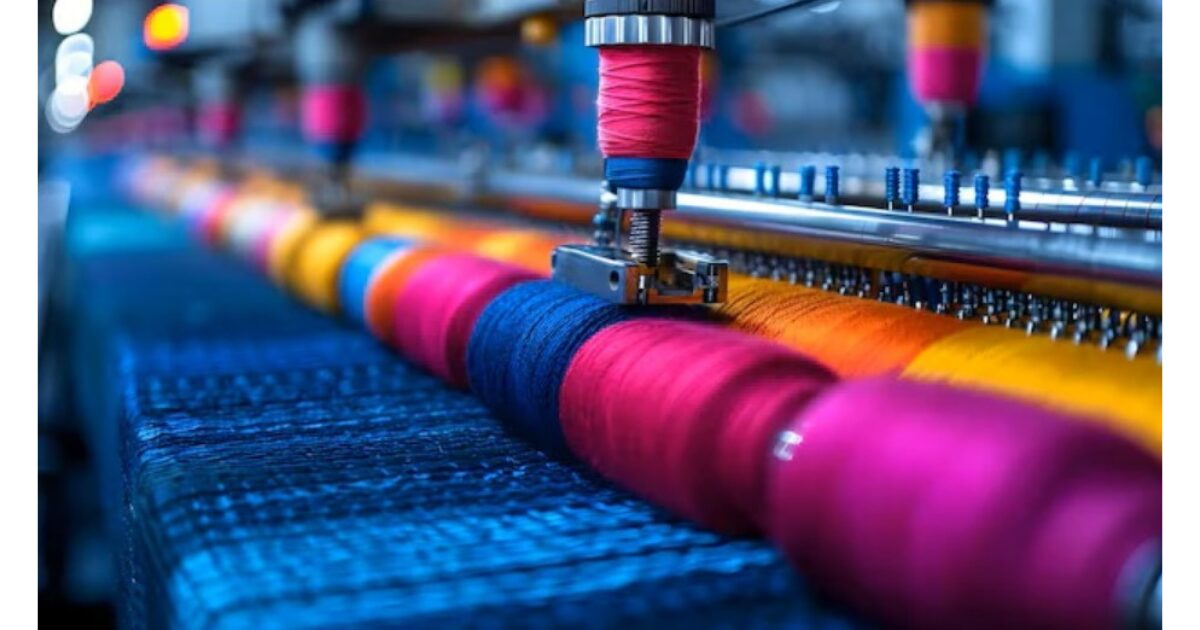
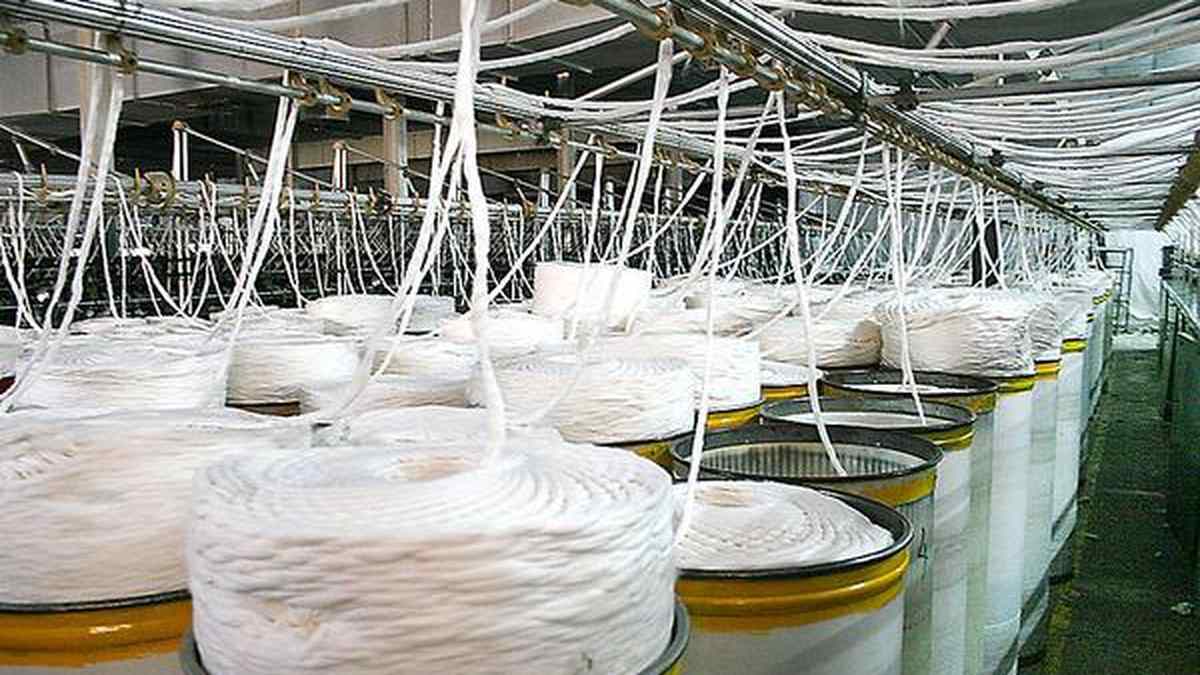
The Sultanate of Oman is in the process of reviving cotton cultivation in the country. The project started in 2013 and this year production is expected to be nearly three tonnes. The project aims at diversifying the sources of income of farmers and providing raw materials to processing plants. Other aims include: encouraging artisans to use local cotton, enhancing the value of locally produced goods and reviving the fledgling textile industry.
Cotton plantation was thriving in the Sultanate before the oil revolution changed its economy. Farmers in Oman stopped planting cotton due to lack of demand and low prices with an increase in competition from imported products after the sultanate opened its market. They shifted to cultivating other crops instead. The cotton project is also important as it ensures protection of genetic resources of local plants.
Omani cotton is a rare variety. It is resistant to diseases and has a natural brown color, which is rarely found in the world. The project has been funded by the Agricultural and Fisheries Development Fund and the ministry has collaborated with the Public Authority for Craft Industries to revive cultivation of this variety to supply raw material to local textile firms.
Cotton plantation gives good returns and the economies of many nations depend on cotton cultivation.
Published in
Uncategorised

Latest from FW
- Armenian Apparel spearheads a nearshoring realignment at Ready to Show Milano 2026
- Testex brings Audi Cabin to Intertextile Shanghai, redefining vehicle interiors with Oeko-Tex Baby-Safe Standards
- Tailoring makes a comeback as men recast the suit around individual style
- Heimtextil 2027 redefines performance standards for global textile manufacturers
- RE&UP scales next-gen cotton to transform European private-label apparel