Union leaders in Bangladesh want a recent hike in garment workers’ basic pay to be revised from 32 per cent to 70 per cent. They say, this will raise other fringe benefits proportionately to make the overall wage sufficient for leading a decent life.
The labor law stipulates basic pay doubles in every wage revision but this does not always happen. The country’s garment industry has some 4.4 million workers. Over 80 per cent of these garment workers are operators. Minimum wages are fixed keeping in mind the number of family members, general wage of the country, living costs, social security benefits, living standards of other social groups, productivity and prices of products.
Unions say garment buyers should keep workers in mind while settling prices and make sure that factory owners deliver this additional amount to workers. Though basic pay is low, and though there is scope for bargaining to increase salaries, union leaders in the industry lack unity.
The concept of a national minimum wage has yet to be established in Bangladesh. Bangladesh’s apparel industry fall behind other centers not only in terms of wages but also of worker well-being. A wage hike disturbs factory owners too. In the past few years, a number of garment manufacturers had to shut their factories as they could not cover their costs.

- 1
- 2
- 3
- 4
- 5
- 6
- 7
- 8
- 9
- 10
From cotton to MMF cost equation is rewriting global textile trade
The global textile and apparel trade has grown from $560 billion in 2006 to $914 billion in 2025, reveals the... Read more
Polyethylene stretch yarn challenges elastane’s hold on activewear
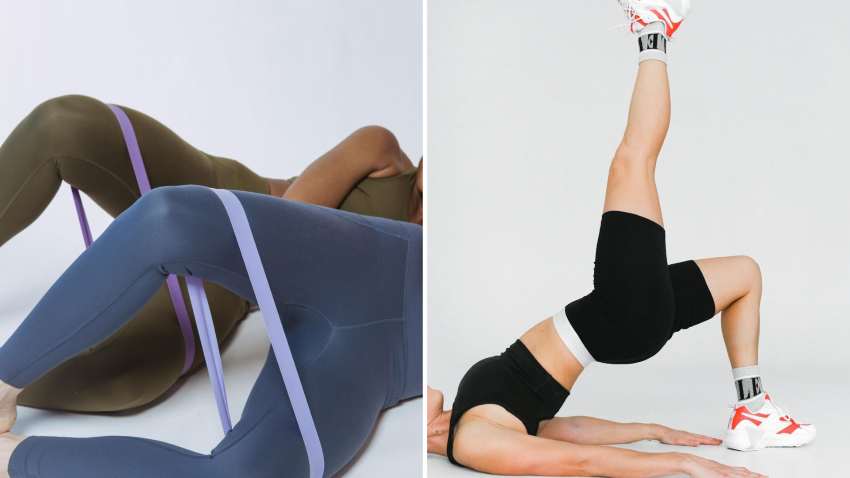
The global activewear, denim and intimate apparel markets have built a substantial business around stretch. But the same fibre combinations... Read more
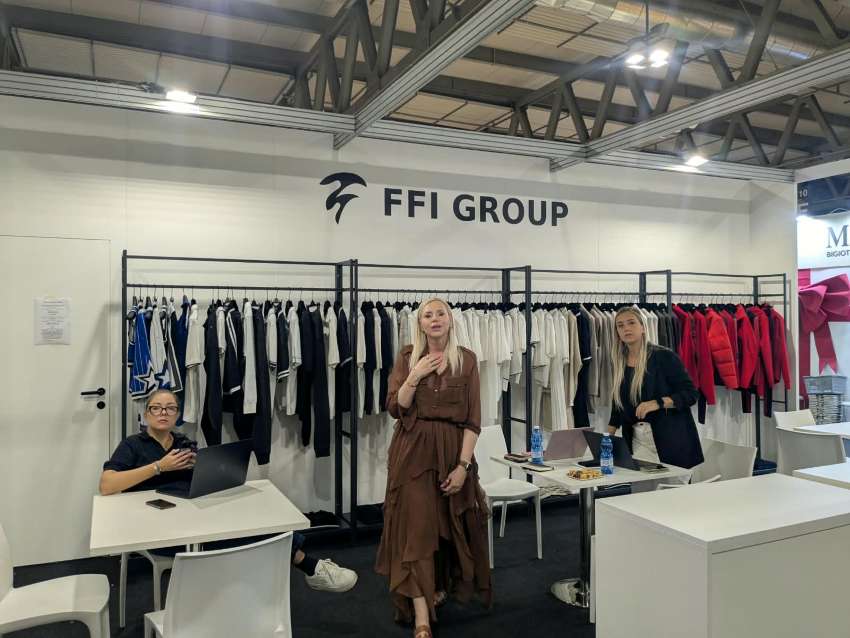
Automation Meets Italian Design: FFI Srl unveils ‘Next-Gen Robotics’ to help bra…
At the recently concluded autumn edition of Ready to Show inside Hall 10 at Fiera Milano-Rho—staged alongside the Milano Fashion... Read more
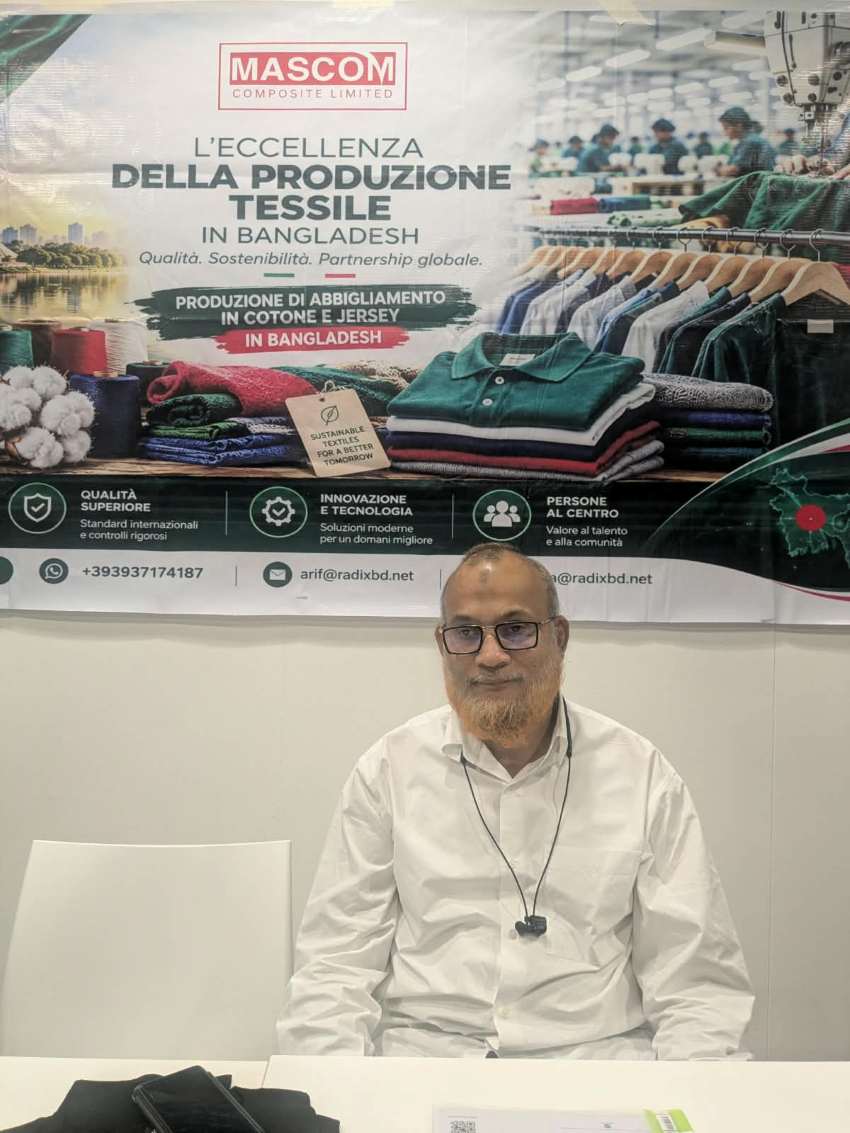
From Dhaka to Milan: Mascom Composite backs Southern Europe’s sports and lifesty…
While the trade floor of Ready to Show Milano inside Hall 10 at Fiera Milano-Rho placed a heavy spotlight on... Read more
How surging silver prices are reshaping ‘Mid-Tier’ fashion jewellery
Escalating global bullion volatility and raw material pricing pressures are forcing a fundamental reassessment across the mid-tier fashion jewellery trade.... Read more
Milano Fashion & Jewels: How ‘Re-Engineered’ heritage crafts are driving hig…
A counter-movement against industrial uniformity is reshaping European bijouterie, transforming authentic craftsmanship into a powerful lever for high-margin boutique growth.... Read more
The "Total Look" Retail Revolution: The integration of jewellery, acce…
The conventional boundaries separating fashion jewellery, ready-to-wear and leather goods, have collapsed on the international retail floor. At the September... Read more
Why Rules of Origin could limit India’s FTA gains
India’s growing network of trade agreements promises lower tariffs and wider market access for its textile and apparel exporters. But... Read more
India-New Zealand FTA opens tariff-free route for textile exporters
The India-New Zealand Free Trade Agreement (FTA), which comes into force on October 20, 2026, creates a new tariff-free corridor... Read more
Virgin polyester drives global fibre output to record 139 mn tonnes
Global textile fibre production reached a record 139 million tonnes in 2025, up 5.3 per cent from 132 million tonnes... Read more