Only one per cent out of garment factories surveyed in Bangladesh have trade unions while 55 per cent don’t even have any participation committees. Some 643 factories were surveyed from January to March 2015. Of these, 356 are members of the Bangladesh Garment Manufacturers and Exporters Association (BGMEA) and 129 are members of the Bangladesh Knitwear Manufacturers and Exporters Association (BKMEA) while 158 others don’t have affiliation with either of the two trade bodies.
However, 53 per cent of BGMEA factories and 43 per cent of BKMEA factories have participation committees. Participation committees comprise representatives from both factory owners and workers that, according to labor leaders, actually work in favor of owners.
Some 3,740 garment factories are now operating across the country. In 2013, the government amended the Bangladesh Labor Law, 2006, simplifying trade union formation for garment workers to bargain for their rights, amid pressure from local and international arenas, especially after the Rana Plaza building collapse.
Since then, more than 300 new trade unions have got government registration in the last two years, raising the total number to 427. Non-cooperation from owners, fear of losing jobs and some legal complexities are major reasons for the relatively low number of unions in the country’s readymade garment sector that employs some four million workers.

- 1
- 2
- 3
- 4
- 5
- 6
- 7
- 8
- 9
- 10
Polyethylene stretch yarn challenges elastane’s hold on activewear
The global activewear, denim and intimate apparel markets have built a substantial business around stretch. But the same fibre combinations... Read more
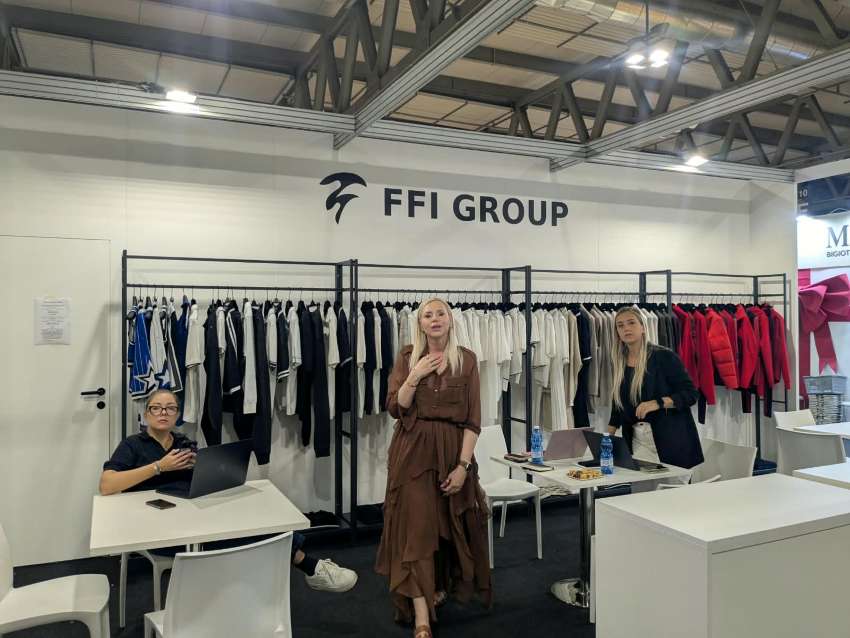
Automation Meets Italian Design: FFI Srl unveils ‘Next-Gen Robotics’ to help bra…
At the recently concluded autumn edition of Ready to Show inside Hall 10 at Fiera Milano-Rho—staged alongside the Milano Fashion... Read more
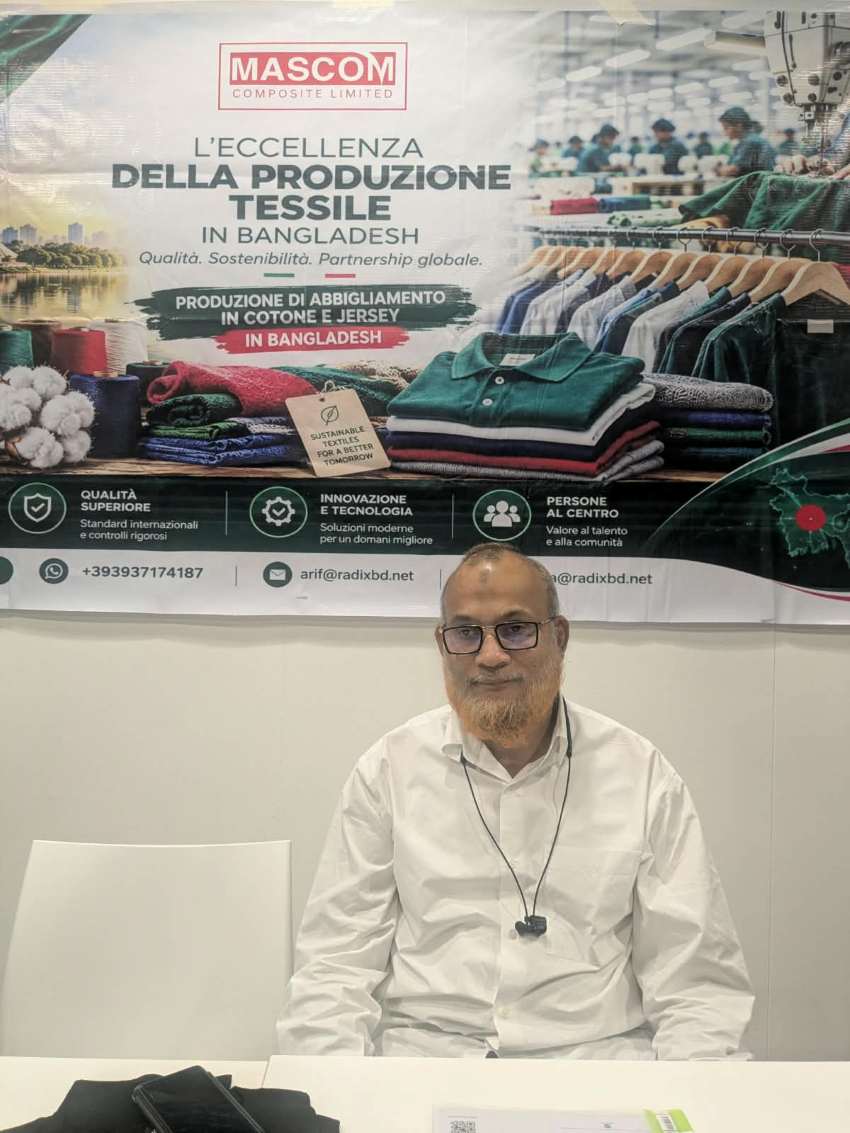
From Dhaka to Milan: Mascom Composite backs Southern Europe’s sports and lifesty…
While the trade floor of Ready to Show Milano inside Hall 10 at Fiera Milano-Rho placed a heavy spotlight on... Read more
How surging silver prices are reshaping ‘Mid-Tier’ fashion jewellery
Escalating global bullion volatility and raw material pricing pressures are forcing a fundamental reassessment across the mid-tier fashion jewellery trade.... Read more
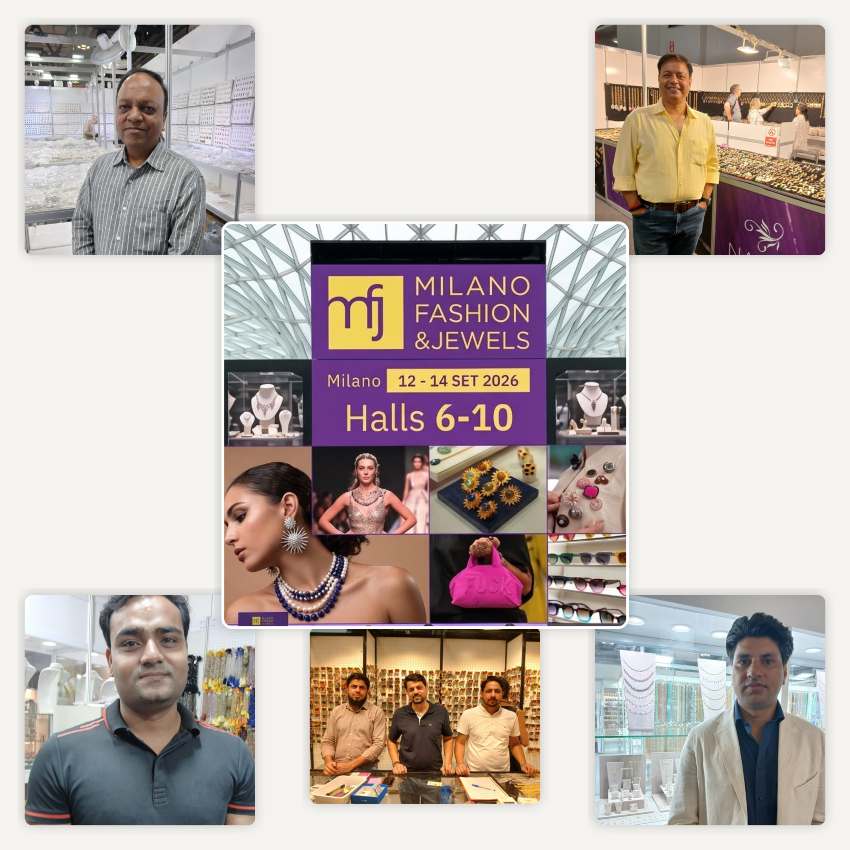
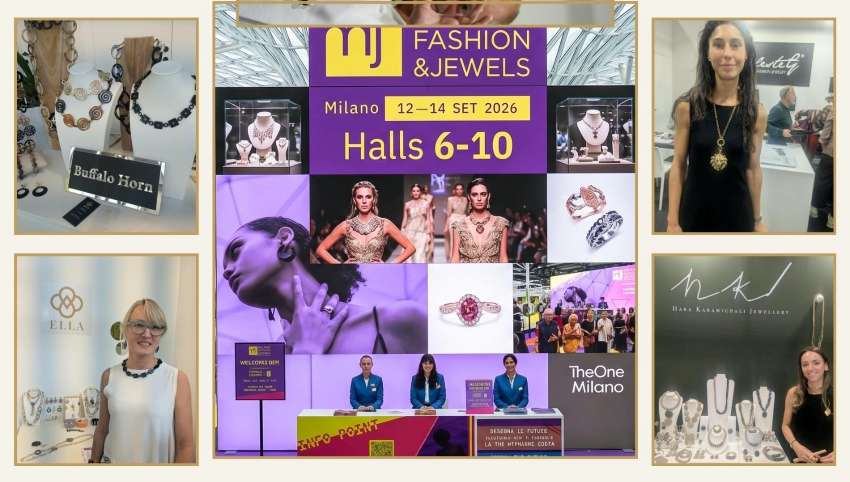
Milano Fashion & Jewels: How ‘Re-Engineered’ heritage crafts are driving hig…
A counter-movement against industrial uniformity is reshaping European bijouterie, transforming authentic craftsmanship into a powerful lever for high-margin boutique growth.... Read more
The "Total Look" Retail Revolution: The integration of jewellery, acce…
The conventional boundaries separating fashion jewellery, ready-to-wear and leather goods, have collapsed on the international retail floor. At the September... Read more
Why Rules of Origin could limit India’s FTA gains
India’s growing network of trade agreements promises lower tariffs and wider market access for its textile and apparel exporters. But... Read more
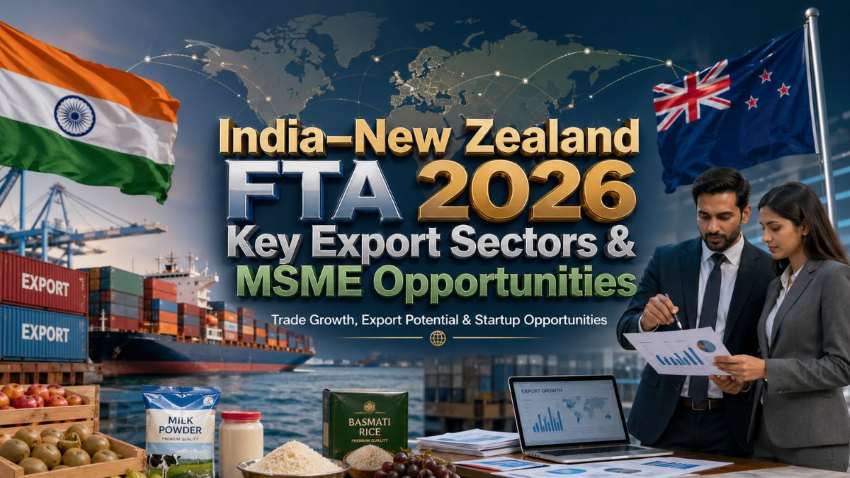
India-New Zealand FTA opens tariff-free route for textile exporters
The India-New Zealand Free Trade Agreement (FTA), which comes into force on October 20, 2026, creates a new tariff-free corridor... Read more
Virgin polyester drives global fibre output to record 139 mn tonnes
Global textile fibre production reached a record 139 million tonnes in 2025, up 5.3 per cent from 132 million tonnes... Read more
Turkish apparel bets on ‘High-End Value’ at Ready to Show Milano
At the autumn session ( September 12-14, 2026) of Ready to Show inside Hall 10 of Fiera Milano-Rho, the Mediterranean... Read more