Geopolitical friction between Washington and Tehran has severely fractured international energy markets, directly impacting downstream apparel manufacturing. Rising crude oil benchmarks have driven up petrochemical-derived feedstocks, causing polyester fiber, yarn, and chemical prices to escalate exponentially. Local industrial bodies note that yarn rates have surged by nearly 50 percent, crushing operating margins across processing mills.
Forced shutdowns across processing units
To mitigate mounting losses, processing houses across North India’s core apparel cluster have announced a complete production blackout from September 14 to 20, 2026. Joint representatives from major associations, including the Punjab Dyers Association, confirmed, ongoing energy constraints and raw material scarcity have made continuous manufacturing unsustainable. Consequently, processing charges have been adjusted upward by Rs 10 per kg for polyester and Rs 20 per kg for cotton operations.
Sector-wide economic strain
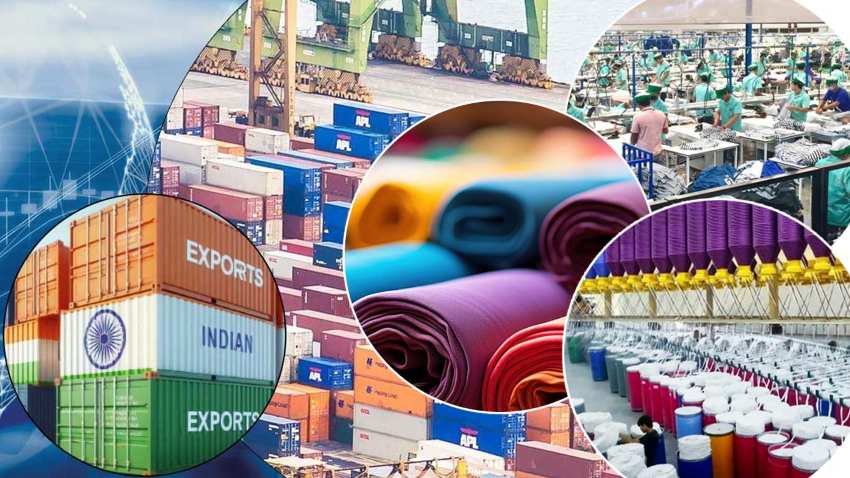
The production pause exposes the extreme vulnerability of export-oriented garment supply chains to West Asian instability. Industry leaders stress, soaring freight expenses, coupled with compressed domestic margins, threaten employment stability and export fulfillment for upcoming seasonal apparel lines unless targeted financial reliefs are introduced.
Premier manufacturing hub for read-made apparel
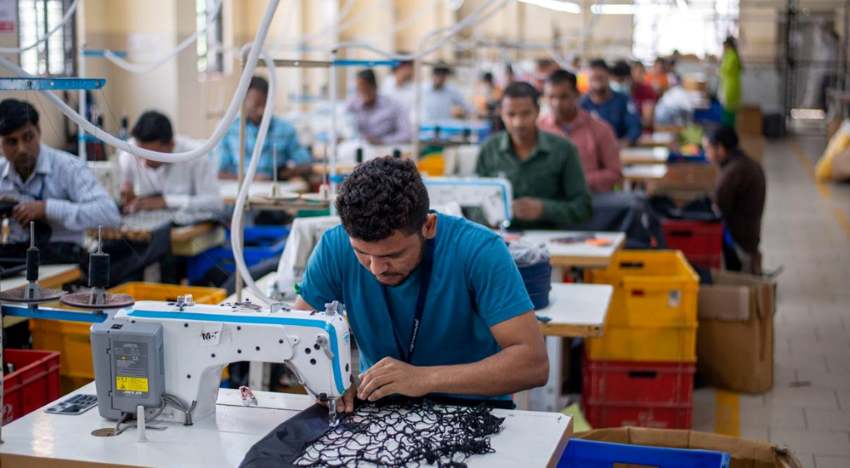
Ludhiana represents northern India’s premier manufacturing hub for hosiery, knitwear, yarn, and ready-made apparel, driven primarily by micro, small, and medium enterprises. The ecosystem relies heavily on continuous energy and chemical inputs to service domestic retail and international export markets, currently facing severe liquidity challenges amid international trade bottlenecks.