Sustainable strides are being made in the denim world at large. But the apparel industry as a whole is overusing the word sustainability, and taking steps toward a more environmentally friendly output is not enough to truly change consumers’ attitudes about why they should buy higher priced, better-for-the-world products. The barrier to scaling sustainable solutions and increasing positive impact is cost. Consumers are price conscious and would be unwilling to take on a sustainability tax. In order for mainstream customers to widely adopt sustainable solutions in apparel, not just luxury consumers, it should be cost neutral.
While there is no shortage of innovative ideas cropping up across the industry, it now falls on brands and their partners to commit to the widespread adoption of proven sustainable techniques. Shoppers are gunning for a more environmentally stable future and pushing brands to show their work instead of just delivering answers and demanding trust. As the resources used to produce apparel—like fibers, water and electricity—become more expensive, mills and factories must innovate to cut down on waste and maintain unit cost. Apparel using post-consumer recycled materials—a widely available feedstock—would reduce the costs and resources used to grow and produce virgin materials, and also reduce landfill waste. But, again, a cost-conscious consumer will only buy-in if it is cost neutral.

- 1
- 2
- 3
- 4
- 5
- 6
- 7
- 8
- 9
- 10
Emerging markets redraw the global fashion spending map
The global apparel industry is facing a geographic realignment as rising middle-class in developing economies reshape consumer spending patterns. New... Read more
Shrinking cotton harvest puts global textile supply chains under pressure
The global textile industry is heading into another challenging procurement cycle as falling cotton production and shrinking cultivation areas threaten... Read more
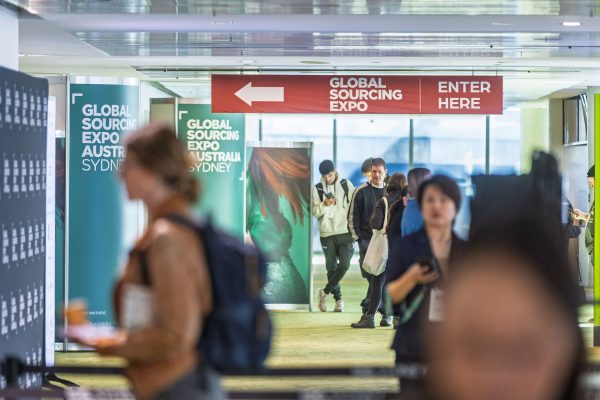
Global Sourcing Expo Sydney 2026 reports 20% growth in attendance
The Global Sourcing Expo Sydney 2026 has officially concluded, marking a watershed moment for Australia’s textile and apparel trade sector.... Read more
Bharat Tex 2026: Setting the global standard for textile commerce and innovation
As the industry prepares for a major milestone, Bharat Tex 2026 is set to strengthen its position as the premier... Read more
UK fashion sourcing shifts south as Bangladesh overtakes China
The UK’s apparel sourcing has seen a realignment in recent years, as retailers increasingly diversify production away from traditional East... Read more
Why European consumers are spending more but buying less fashion
For much of the last two decades, the European fashion industry operated under the assumption that rising consumer wealth would... Read more
Why US apparel prices defied inflation while product quality improved
As inflation reshapes nearly every aspect of American household spending, one consumer category continues to stand apart. Housing costs have... Read more
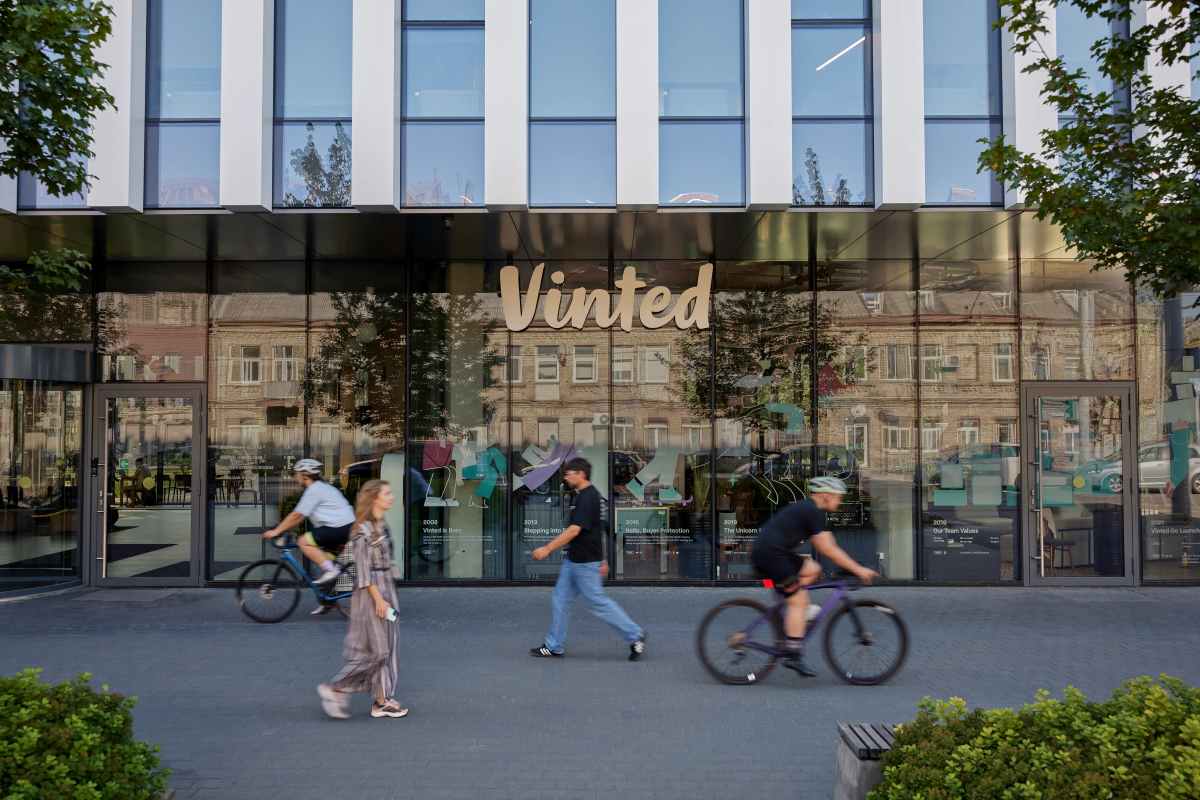
The Resale Revolution: Vinted’s marketplace model reshapes European retail
The French fashion market has reached a turning point. In a development that highlights the growing influence of circular commerce,... Read more
France declares war on ultra-fast fashion with new green law, will reshape globa…
France has become the first major economy to legislate specifically against the ultra-fast fashion business model, a watershed moment for... Read more
France declares war on ultra-fast fashion with new green law, will reshape globa…
France has become the first major economy to legislate specifically against the ultra-fast fashion business model, a watershed moment for... Read more