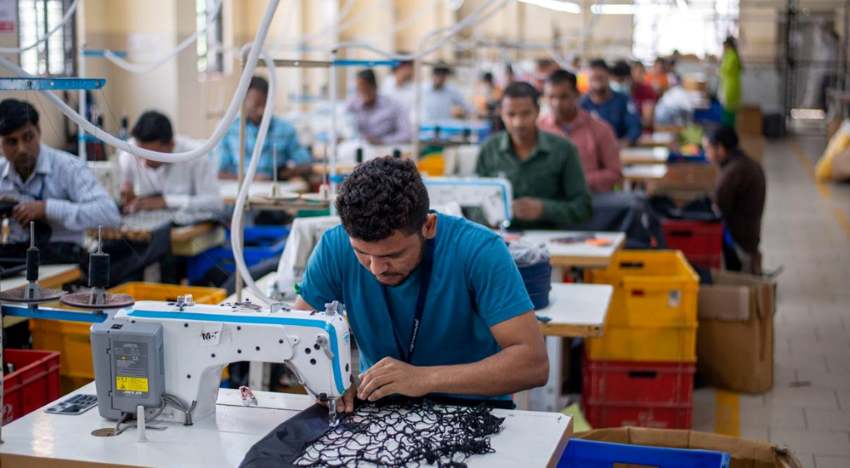
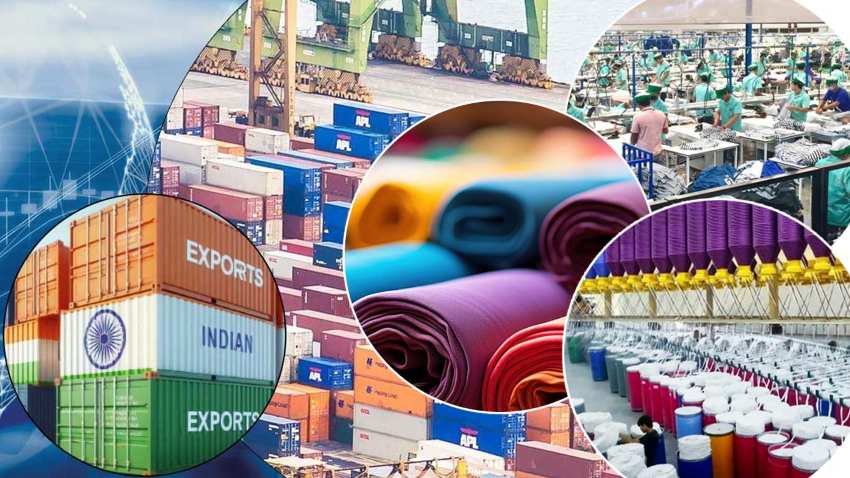
The United Kingdom experienced a notable shift in its textile and apparel trade sector as official figures revealed a 9 per cent Y-o-Y decline in clothing imports for July 2026, dropping to £1.426 billion. According to data released by the Office for National Statistics, this annual reduction demonstrates a lingering cautiousness among domestic fashion retailers managing high inventory volumes and subdued consumer spending. However, indicators present a contrasting trajectory, showing inbound shipments recovering by 14.3 per cent compared to June 2026, signaling that buyers are beginning to restock selectively ahead of upcoming trading seasons.
Sector resilience visible in raw material sectors
Despite the drop in finished garment imports, foundational sectors within the supply chain displayed steady resilience during the same period. Imports of textile fabrics inched upward to £315 million, while specialized fiber imports remained stable at £32 million. Industry analysts note, fashion houses are increasingly prioritizing localized agility and optimized material sourcing over large-scale finished product acquisitions. This tactical adjustment allows apparel brands to maintain tighter control over working capital while mitigating exposure to macroeconomic volatility across traditional manufacturing corridors.
British T&A trade framework
The UK textile and apparel (T&A) sector relies heavily on international sourcing networks to supply a vibrant domestic retail market characterized by high consumer expectations and rapid trend cycles. Driven by ongoing macroeconomic adjustments, modern trade strategies increasingly emphasize sustainable procurement, supply chain diversification, and inventory optimization to secure long-term commercial viability across the British fashion landscape.