FW

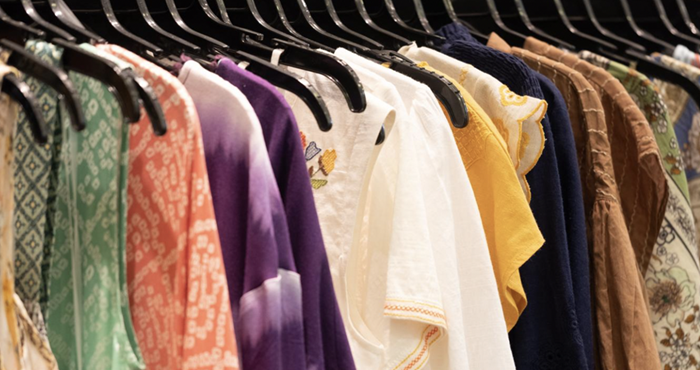
China’s fashion and e-commerce industries are bringing fast fashion and luxury clothing to the rising Arab fashion market. This includes a lot of embellished evening wear that caters specially to the Middle East market.
The Arab world is no stranger to Chinese products, including Chinese clothing. Since at least the 1990s, traders from Arabian countries have been traveling to China to buy low- to middle-end garments and accessories from wholesalers in cities like Yiwu in Zhejiang Province, home to the world's biggest wholesale market. Chinese e-commerce platform Jollychic has over 50 million users in the Middle East.
The Middle East is one of the fastest rising fashion markets in the world, with young, wealthy consumers willing to spend money on clothing and accessories. The region is powerful in terms of consumer buying power. In comparison, buying power in the US is mediocre, where consumers have higher sensitivity to prices. The European market, on the other hand, has too small a population.
Revenue in the fashion segment in Africa and the Middle East is expected to grow at 10.5 per cent over the next five years. In recent years, many Western fashion brands have been trying to adapt to the Arab market.
As per latest data released by Bangladesh Export Promotion Bureau, Bangladesh’s apparel exports increased by over 15 per cent in December, plagued by a spate of labor unrest and factory shutdowns. The apparel export receipt stood at over $17.8 billion during the July-December period, gaining over 15.6 per cent on a year-to-year basis. For December alone, export receipt was $2.9 billion.
Further data analysis shows growth declined from 18.5 per cent in November, due to labour unrest. Export exceeded the strategic target (as set by Bangladesh government) of $15.7 billion by more than 8.5 per cent. Knitwear exports witnessed a receipt of $8.6 billion, a gain of almost 14 per cent. For the month of December alone, knitwear segment fetched about $1.3 billion, making up 45 per cent of the total apparel exports.
Woven segment on the other hand witnessed a receipt of $8.4 billion during the same period, a gain of over 17 per cent. For December alone, the segment made up 55 per cent of the basket with $1.6 billion in receipt.
All exports combined, Bangladesh’s total exports amounted to $3.4 billion for December, making a marginal gain of 2.8 per cent. Apparel exports accounted for over 85 per cent of the total exports in December 2018.
Silk fabric manufacturers in Varanasi, Bhagalpur, Bangalore, Tamil Nadu and Surat are hit by imports of cheap silk fabrics from Vietnam.
Such imports from Vietnam increased from two lakh square meters in 2016 to five lakh square meters in 2017.
Imports of silk fabrics from Vietnam attract zero per cent duty, making the indigenous silk fabric product in India costly.
Domestic fabric manufacturers have demanded a safeguard duty of ten per cent on the import of silk fabrics from Vietnam. They also want access to the accumulated input tax credit, a reduction in the import duty on textile machinery, a reduction in power tariff, and the withdrawal of the anti-dumping duty on polyester filament yarn and viscose filament yarn.
Chinese factories manufacture silk fabrics in Vietnam and dump them in India at cheaper rates. This has affected the growth of Indian silk weaving and silk exports and created employment problems.
Vietnam and Bangladesh have been included in India’s most favoured nation status with a provision to have free trade of major textile commodities where silk fabrics are also included.
China produces 80 per cent of global silk output while India’s share is 13 per cent. Production in other countries accounts for the remaining seven per cent.
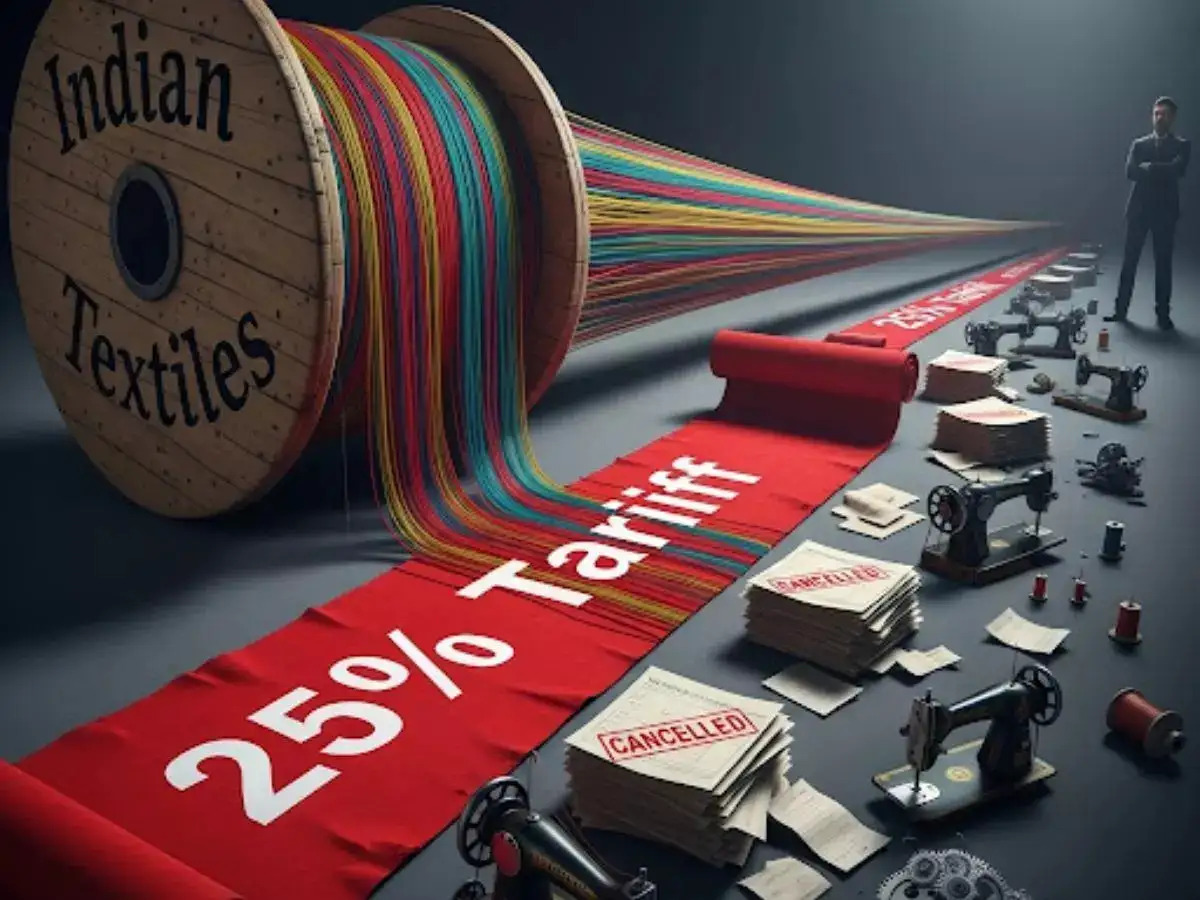
The impending additional tariffs on Chinese imports is pushing Los Angeles clothing makers to import goods quickly. Steve Barraza, owner of Tianello, a brand of women’s blouses cut and sewn in a factory with 40 garment workers near downtown Los Angeles, normally would have waited to bring in his once duty-free silk and other fabrics from China after the new year. But with the new 10 per cent tariff, which could go up to 25 per cent in March, he brought in 5,000 yards of assorted silk prints and 20,000 yards of Tencel fabric in December to carry him through his Spring orders.
Everyone is carefully watching the current trade negotiations between the United States and China, which could determine whether those 10 per cent tariffs are upped to 25 per cent in March on an additional $267 billion in goods. In junior’s wear market, margins are very tight on clothing, which sells at modest price points.
David Vered, President, YMI Jeans isn’t adjusting his import plans too much this year. He isn’t too worried about new tariffs and believes something will be worked out between the United States and China to avert a trade war.
Vietnam’s exports to Canada were up 5.2 per cent in 2018.
Earnings from textile, garment, footwear and wood products posted good growth. Earnings from plastic and rubber products grew 27 per cent, coconut oil 100 per cent and paper products 50 per cent.
The Comprehensive and Progressive Agreement for Trans-Pacific Partnership (CPTPP) is expected to promote bilateral trade between Vietnam and Canada. Aside from the CPTPP, the impact of the US-China trade war has also made many Canadian firms think of moving some of their factories and orders from China to Vietnam, which is also a chance for Vietnam to boost shipments to Canada.
Vietnam expects strong export growth from textiles-garments, footwear, handbags, plastics and wood products in 2019.
For their part, Canadian businesses are interested in Vietnam’s opening of its market for foreign agricultural products such as pork, beef, chicken, aquatic products and fresh fruits.
Vietnam has yet to sign a free trade agreement with Canada, so the CPTPP will help open up chances for it to accelerate textile-garment shipments to the North American market in the coming years.
The US is looking at reviving textile manufacturing. This can be done by focusing on high quality textiles, complete automation and improved cotton breeding programs.
While the country’s advanced textile industry – including nonwovens – is showing steady growth and investments, conventional textile manufacturing has continued to decline since 1997.
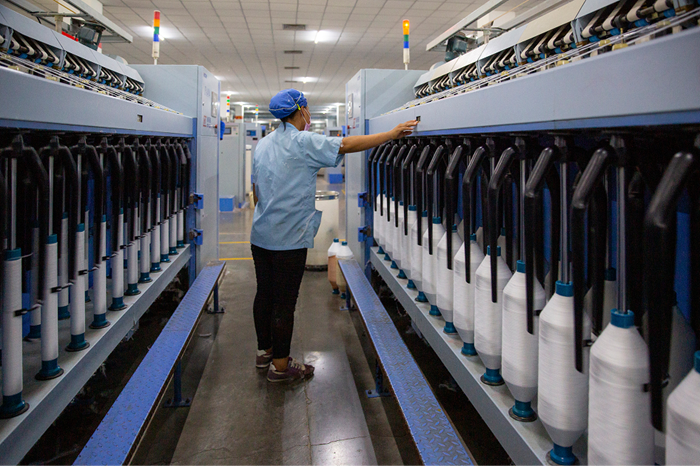
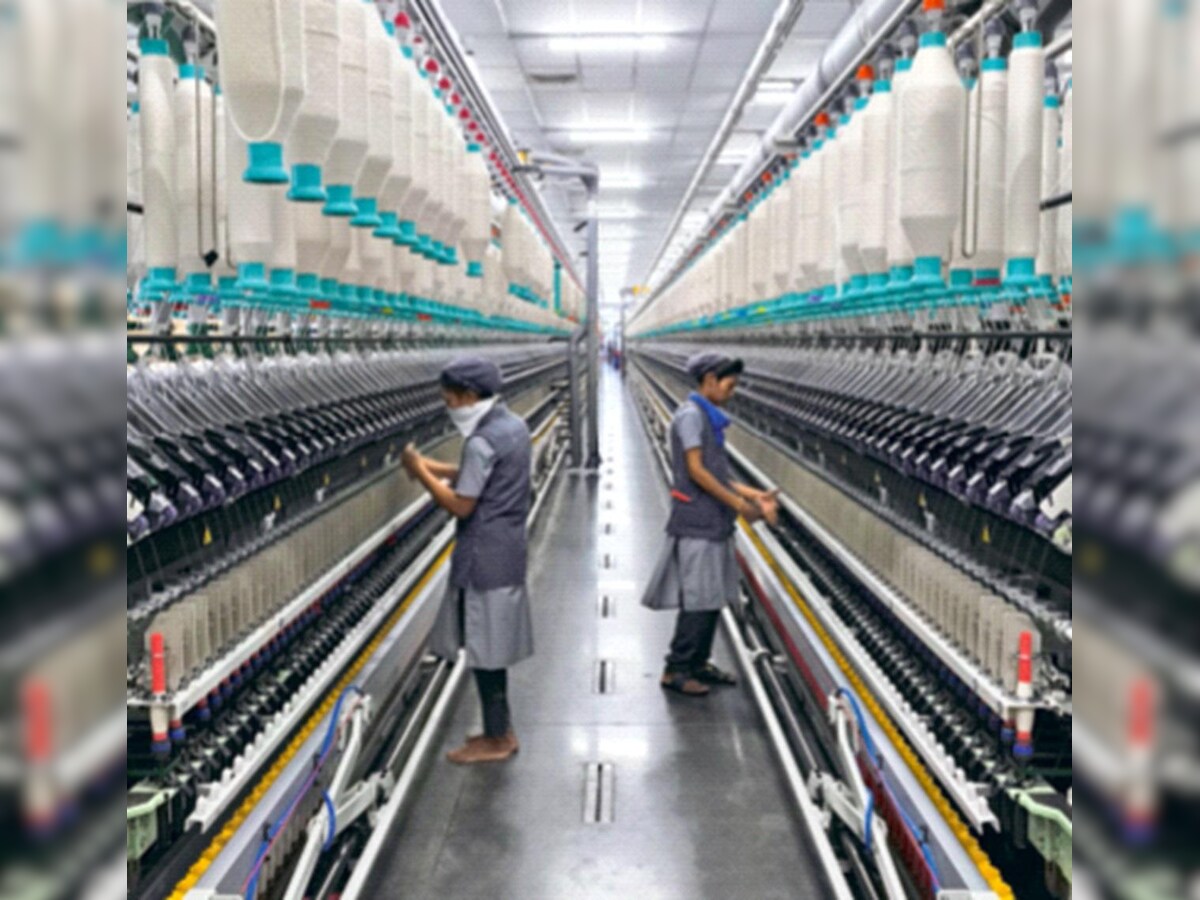
While global trends are toward finer yarns and ring spinning technology, US mills mostly focus on coarser yarns.
The United States is still the most cost effective place to produce cotton yarns. Such high strength cottons could help pave the way for high production vortex spinning.
Skilled labor, cheap energy and the availability of high quality cotton within its borders can encourage the United States’ textile sector to take a serious look at revitalizing its spinning and the upstream textile sector.
Chinese textile manufacturers are shifting to the US.
While labor costs are greater than they are in China, American energy, land and raw materials are cheaper in the United States. Therefore the total cost of production is less. Chinese manufacturers find the production cost per ton of textiles is 25 per cent lower in the US.
The cost of labor in China has been rising and other countries like the US could potentially do it better and cheaper.
UK Fashion and Textile Association (UKFT) has taken over the management of Textiles Scotland (STLA), following a unanimous vote by STLA members and lengthy discussions between the two organisations. UKFT and STLA have strong historical links and the move provides new opportunities for Scottish companies by being part of a wider network while retaining a national, Scottish focus.
The Textiles Scotland branding will be continued, as will the Scottish focus of the activities, support and government lobbying. From 1 January 2019, existing Textiles Scotland members are transferred to a new company called UKFT Scotland. UKFT Scotland joins the main UKFT board and UKFT CEO Adam Mansell joins the Scottish Industry Leadership Group.
UKFT will work with the industry to develop a new membership offer that will help Textiles Scotland become a self-sustaining organisation, including using its expertise to develop an export strategy and a skills strategy for Scottish members.
UKFT’s members include some of the UK’s most well-known fashion and textile brands, heritage success stories and emerging designer labels, alongside the manufacturers and suppliers.
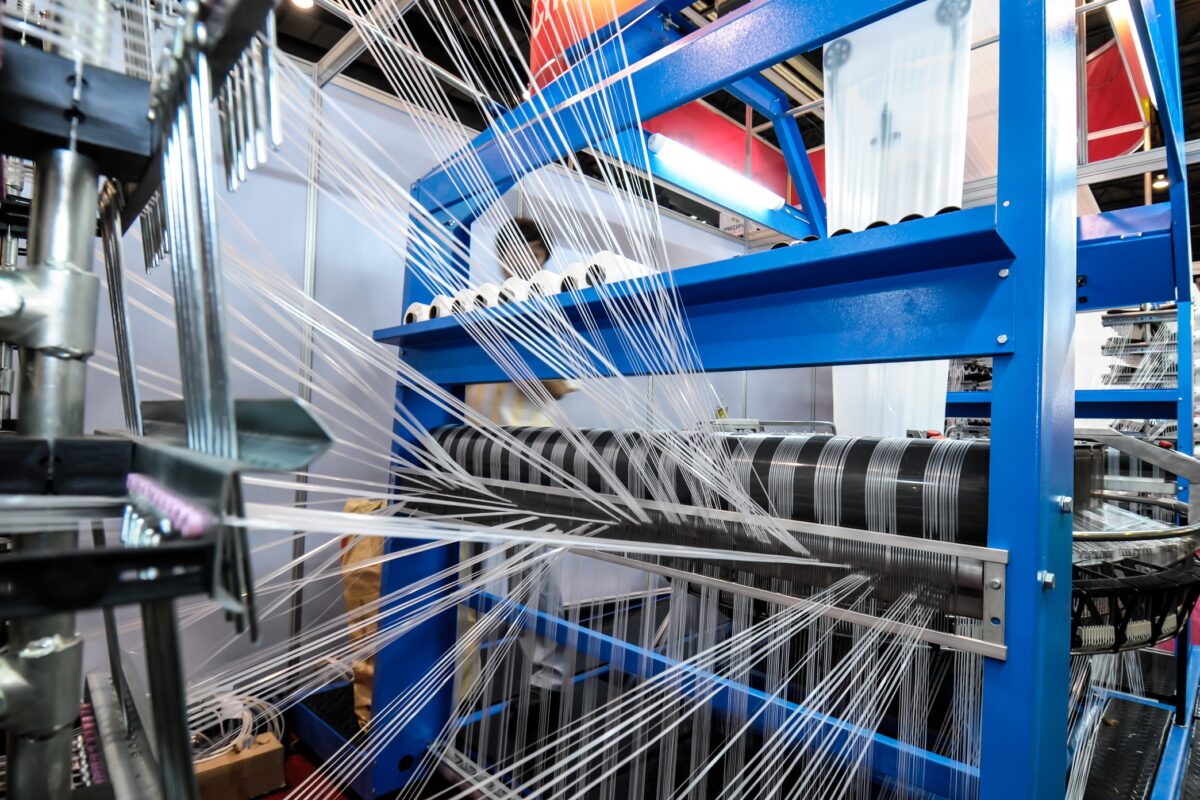
The Southern Gujarat Chamber of Commerce and Industry (SGCCI) is organising SITEX, a textile machinery exhibition from January 04-06, 2019 at the Surat International Exhibition and Convention Centre (SIECC) at Surat, India. The exhibition will display spinning, winding, texturing, twisting and auxiliary machinery and accessories and technologies for web formation, bonding and finishing of nonwovens, felting and technical textiles.
There are more than 150 exhibitors showcasing the latest technologies across the entire textile value on more than 100,000 square feet of exhibition area. The fair will see participation from Indian and global textile machinery companies. Machines for weaving preparatory, weaving, tufting, knitting, embroidery, braiding, washing, bleaching, dyeing and printing, drying, finishing will remain centre for attraction. SGCCI is also organising buyer-seller meets to help buyers and sellers interact at the venue.
The annual textile event PromoTex Expo 2019 will be held from January 08-10, 2019 in Düsseldorf. The show will present innovations, bestsellers, smart and sustainable product highlights by sport textiles suppliers. It will host a number of side events as well as the two trade shows held concurrently, viscom and PSI.
Enterprises such as Gildan Activewear, the Falk & Ross Group Europe, Herka, ID Rexholm, Kariban France, Regatta Professional, Maprom and Stormtech Europe will present their latest collections and machinery to textile finishers, promotional products distributors, sign makers, designers, textile experts and agencies.
The centerpiece of the event, Textile Campus will focus on smart textiles and sustainable textiles. The University of Niederrhein, the Competence Centre 4.0 (textil+mode), Lunative, ZSK Stickmaschinen and SmartTex-Netzwerk will demonstrate what state-of-the-art smart textiles can already do today and what will be possible in the near future. In terms of sustainability information on the current requirements and challenges will be provided by the Fair Wear Foundation, TÜV Rheinland, Bremer Baumwollbörse, RK Textil, the Hohenstein Institute and University of Niederrhein.
The seam tapes market is expected to grow at a CAGR of 6.7 per cent from 2018 to 2023. Growth of the sports and outdoor apparel industry is expected to drive the overall growth of the seam tapes market.
The polyurethane segment is the fastest-growing in the seam tapes market, in terms of value, and is expected to grow at the highest CAGR during the forecast period. This growth is attributed to the various benefits of polyurethane in seam tapes compared to polyvinyl chloride, including high abrasion, impact resistance, water resistance, and high flexibility.
Asia Pacific is expected to be the largest market and have the highest growth rate during the forecast period, owing to the presence of huge garment manufacturing hotspots such as China, India, Vietnam, Indonesia, and Bangladesh in the Asia Pacific region. Cheap labor cost and availability of domestically produced raw material place Asia Pacific as the preferable region to manufacture textile and apparels.
In addition, the growing demand for sports and outdoor apparels in China, Japan, and India driven by the growing health awareness, as well as an increase in consumer spending on value-added apparels attributable to the rising disposable income, is expected to create opportunities for the seam tapes market in the region.