FW

"Initially, ethnic wear was restricted to the more mature woman in her 30’s and 40’s but it is now finding acceptance even among younger women. “The contemporary woman prefers western wear with Indian sensibilities, which is well perceived by Indian brands. Therefore, fusion fashion fairs well in smaller cities. Price point is also a factor to consider while buying international brands,” points out Radhesh Kagzi, President, Fusion Beats, a popular Indian brand which expects its business to grow at 10 per cent this year and plans to set up more stores. "
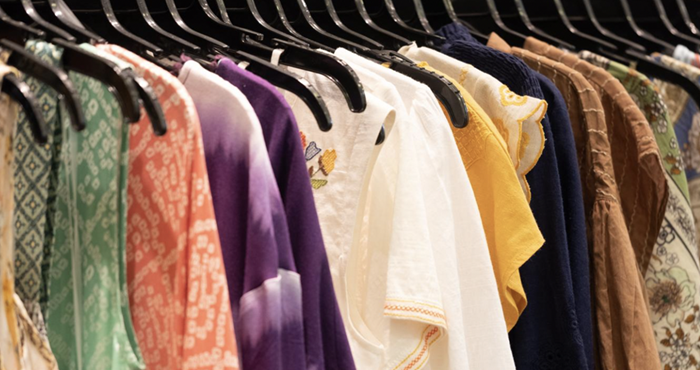
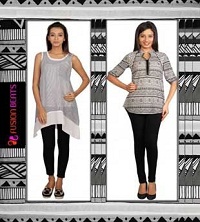 An amalgamation of ethnic and western style, fusion wear is rapidly taking over as an innovative solution to changing fashion sensibilities. Chic yet comfortable, these easily wearable garments are popular amongst Indian urban women across metros and small towns.
Growing demand in smaller cities
Initially, ethnic wear was restricted to the more mature woman in her 30’s and 40’s but it is now finding acceptance even among younger women. “The contemporary woman prefers western wear with Indian sensibilities, which is well perceived by Indian brands. Therefore, fusion fashion fairs well in smaller cities. Price point is also a factor to consider while buying international brands,” points out Radhesh Kagzi, President, Fusion Beats, a popular Indian brand which expects its business to grow at 10 per cent this year and plans to set up more stores.
Uniquely Indian product portfolio
The product range for fusion wear includes leggings, dresses, tops, shrugs, jackets and skirts creating a new apparel segment of ethnic-fusion wear. “Our style statement for festive season includes lot of flared cuts paired with gold embellished fabric embroidered palazzos, dhotis and pencil fit pants. We have included exclusive wear which offers the high end kurtas in combination with palazzos and dhotis particularly for festive season and this style can rule upcoming season with fresh colors combinations like mustard, tomato red, earthy fresh shades. Natural textures are the calling as well as voile and cotton variation of fabrics,’’ points out Rakesh Morvadiya, Director, 18 Fire, the brand from Divyanshi Fashion.
A lot of innovation is happening on fabric front which includes cotton, viscose, Lycra, polyester, wool and linen. Bigger players are now planning out their autumn/winter collection where they are dressing two kinds of customers - one for autumn and second for winter – as India has a large temperature difference across different states.
“W by TCNS Clothing, re-defined mix-n-match and re-considered contrast as the basis of coordinated looks, “says Anant Daga, Managing Director of the brand. It combined its core products into one -- the bottom wear is constructed solely to complete the look of the top wear, in a way that they become two halves of a whole.
Some fusion styles making the rounds are draping a sari with an off-shoulder blouse, pairing a flared palazzo or dhoti pants with an embellished crop top, lehenga in a jacket style and wearing a kurti as a dress or a gown sari.
“Our kurtis give an interesting twist to the routine salwar kameez style that has gained prominence over the last decade. With an Indo-western approach to traditional wear, we boast of a wide range of designer kurtis with latest cuts, fabric mesh and kaarigari also. We also have a designer product portfolio of bottom wear comprising of denims, leggings, Patiala pants, palazzos, skirts, jeggings and a lot more designer products,” says Kirti Shah, Director, Zola, a leading ethnic wear brand.
A promising future ahead
Fusion wear segment is also gaining popularity overseas. Brands are already exploring Dubai, UAE, Qatar and Saudi Arabia, which has the same fashion sensibilities as India.
E-commerce portals and online sales are rapidly catching on. Jabong, Lime Roads, Paytm, Shoppers Stop, Myntra and Tatacliq are some of the popular online portals. E-commerce portals focus on tracking customers through their sites while gaining a better understanding of what they buy and why they buy it. The discounting system on these portals boosts the sales in this segment. With only a handful of branded players in the fusion wear segment, stakeholders see a huge potential ahead.
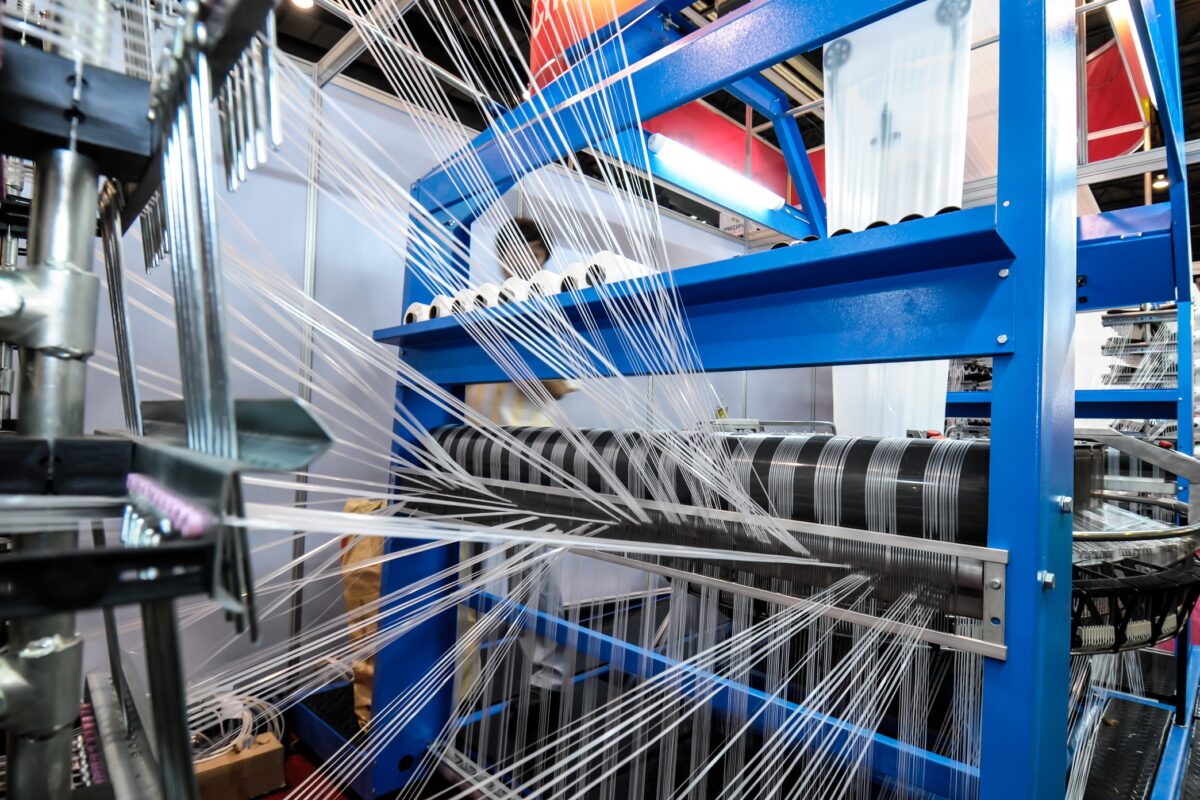
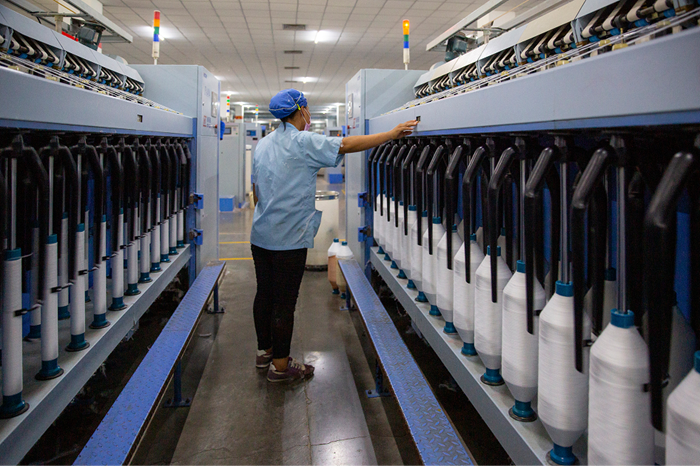
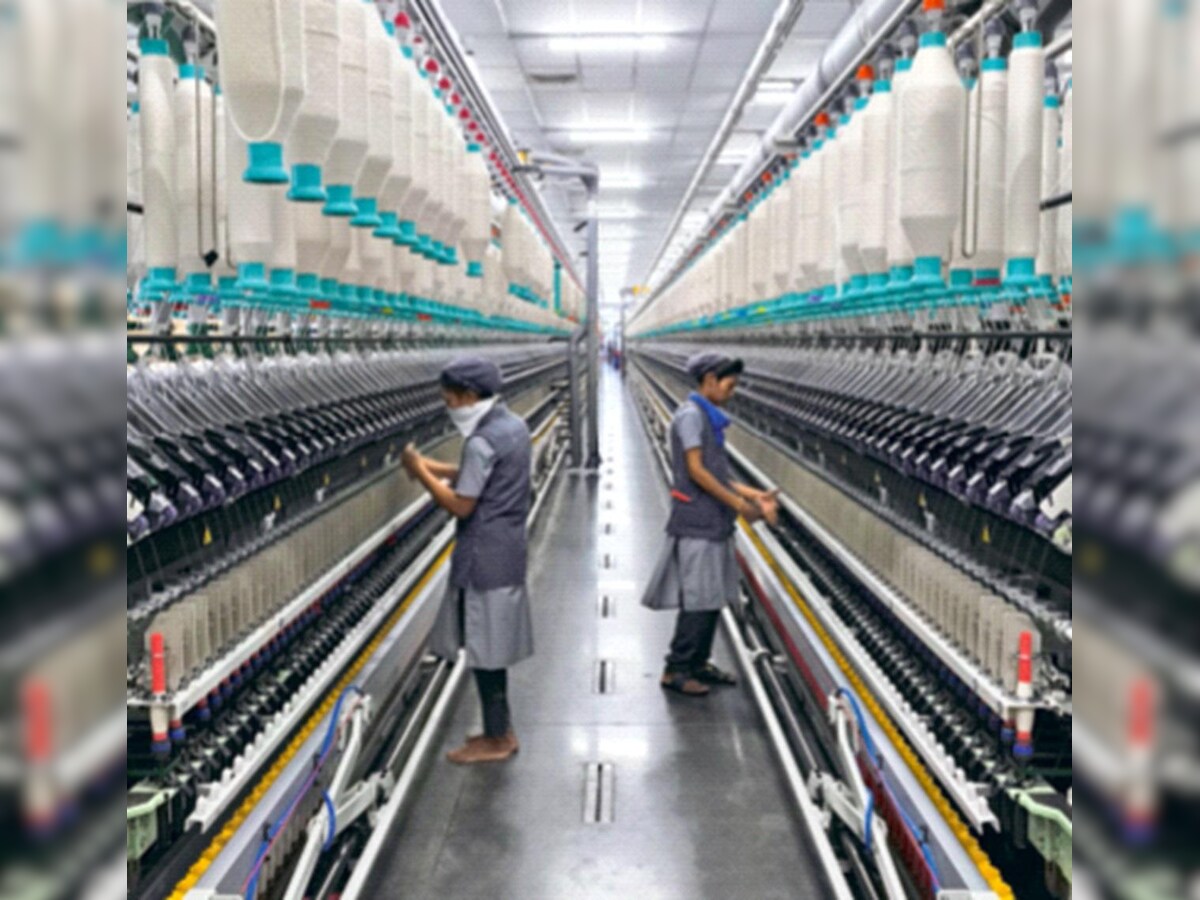
The Autoairo air-spinning machine, which the innovation pioneer Saurer launched at ITMA 2019, defines new benchmarks in productivity, efficiency and especially automation in the lucrative air-spinning market. The interest from visitors and the spinning industry in general has been overwhelming.
The Autoairo has autonomous spinning positions with individual drives, integrated intelligence and a digital piecing unit. Twenty-four piecing operations can be carried out simultaneously with SynchroPiecing 24. Compared to other machines on the market, the piecing capacity of the Autoairo is roughly twice as high.
The Autoairo requires 40 per cent less space than air-spinning machines with a one-sided design. This means that spinning mills' floor area can be smaller, which reduces construction and air conditioning costs. In this way, the return on investment is accelerated. With MultiLot, up to four lots can be spun on the Autoairo at the same time. In addition, seamless lot changes during ongoing production are possible. With PilotSpin, test packages can be manufactured while the other spinning positions simply continue with normal production. LED strips at each spinning position signal, among other things, that cans need to be replaced soon. This ensures rapid intervention by personnel without the need for cumbersome tours of inspection.
Primark plans to open more than 1million sq ft of new selling space in the coming year, with stores planned in mainland Europe as well as in the UK, including its biggest to date, a 160,000 sq ft branch in Birmingham Pavilions. According to the long-running survey by research firm GfK, sales at Primark stores turned negative in November 2018. Consumer confidence dropped 3 to -13 per cent, the lowest level this year.
As Barclaycard reveals overall consumer spending during the month rose by 3.3 per cent year on year in November, the lowest growth since March, despite the boost from Black Friday, clothing spending contracted by 2.9 per cent, the biggest fall since October 2017, while spending on household appliances declined by 14 per cent.
Famed for its “cheap chic”, careful stock management, coupled with improved clothing profit margins is expected to bring Primark back on the track for bigger profits in the coming year.
The National Association for Clothing and Textile (ATP) together with the agency for investment and external commerce from Portugal (AICEP) organised a promotional event in Brussels to brand the Portuguese sustainable fashion and convince Belgian investors to invest in Portugal. Fashion from Portugal 4.0 is the brand new campaign for the upcoming years. In 2016, ATP focused its attention in four main markets: Germany, Spain, the Nordic countries and the United States. The excellence of the previous project exceeded all expectations and received the European Enterprise Promotion Award (EEPA). ATP aims to reinforce its position in those markets and invest in new ones; namely Belgium.
Multiple companies, designers and investors from Belgium attended the ATP meet in Belgium. Portuguese Ambassador António Alves Machado underlined that 2018 is an important year for the relationship between Belgium and Portugal.
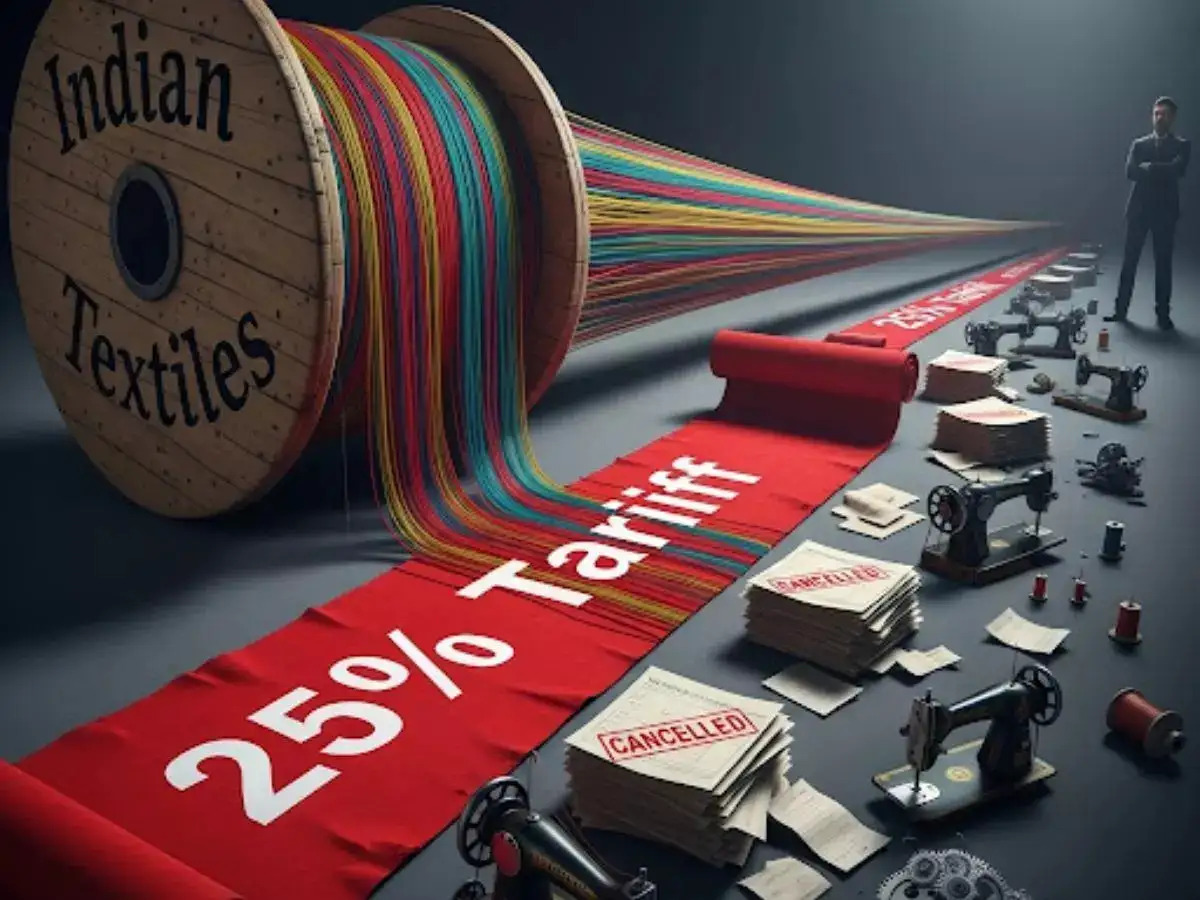
After a meeting last week during the G20 Summit in Buenos Aires, President Trump and Chinese President Xi Jinping agreed to work towards more common ground on trade over the next 90 days, during which no new tariffs will be added and no existing tariffs will be increased. Negotiations have already begun and both nations are working toward a deal.
US companies paid a total of $6.2 billion in tariffs in October—$2.8 billion as a result of new Trump Administration-induced tariffs, according to industry coalition Tariffs Hurt the Heartland. That’s the highest monthly amount paid in tariffs in US history, and double what businesses paid in October 2017.
However, tariffs aren’t working as the US president intended. The impact, rather, appears to be largely adverse for the US economy.Imports subject to new tariffs declined by just 0.6 per cent in October, while US exports subject to retaliation fell 37 percent.
The Union government has announced revised duty drawback rates. These All Industry Rates of Duty Drawback re-imburse the incidence of duties of customs on inputs and remnant central excise duty on specified petroleum products used for generation captive power for manufacture or processing of export goods. The drawback rates for cotton textiles such has yarn, fabrics and made ups have been increased.
Welcoming the announcement, KV Srinivasan, Chairman of The Cotton Textiles Export Promotion Council (TEXPROCIL) said the revised drawback rates will lead to increase in the exports of cotton textiles. There is a significant increase in the drawback rates for cotton made ups which will encourage export of value added products like home textiles. Further, the removal of drawback caps in the case of those export products where the drawback rates are less than 2 per cent will benefit the cotton textiles exporters.
As per Online Apparel Market Research report, China is expected to be the highest online apparel market by 2025 exceeding the US. China consists of biggest online retail sector marking close to a third of all business to commerce ecommerce sales and booming at double-digit numbers.
North America captured the highest share in the global online apparel market in 2018. In North America, particularly in the US apparel is the second largest product category in online retails market in terms of sales volume. Amongst all regions, Asia-Pacific is the rapidly growing market, projected to clock in highest CAGR till 2025 surpassing Europe in terms of total online sales by 2025. Improvement in internet penetration as well as infrastructure in the emerging markets such as India and China will impel growth of global online apparel market over the next few years.
The Asia-Pacific will occupy more market share in following years, especially in China, India and Southeast Asia regions.
The International Cotton Advisory Committee (ICAC) officially closed its 77th Plenary Meeting in Abidjan, Côte d'Ivoire with few announcements including the acceptance of the meeting’s final statement by the steering committee. This statement included ICAC’s three-year Strategic Plan. The plan, developed over the course of the prior 12 months, establishes a starting point that will ensure the organisation is on track to meet its future goals, and was passed unanimously.
The Steering Committee also agreed that next year’s Technical Seminar will focus on Traceability Technologies, and explore the ways international seed exchange can help create new varieties that are ideally suited to flourish in the future — especially in light of new challenges such as climate change. ICAC also accepted an invitation from the government of Australia to hold the 78th Plenary Meeting from December 2-6, 2019 in Brisbane.
The 77th Plenary Meeting featured more than a dozen open and breakout sessions, covering topics such as combating pest resistance to biotech cotton; the use of drones and robots on small-scale farms; the additional revenue farmers can generate from cotton by-products; and ICAC’s #TruthAboutCotton campaign to counter the misleading claims that are being made about the cotton industry in the media.
From November 8 to 11, four companies of Texbrasil (Brazilian Textile and Fashion Industry Internationalization Program) – held through a partnership between Abit(Brazilian Textile and Apparel Industry Association) and Apex-Brasil (Brazilian Trade and Investment Promotion Agency) – participated in Expotextil Peru 2018, in Lima. These companies of the Hyosung Group; Santa Constancia Tecelagem, Dalila Textil, Audaces and Creora companies displayed their latest products and garnered $830,000 in business. In addition, the companies also made 245 new contacts during the event.
According to Lilian Kaddissi, Executive Manager at Texbrasil, the event provided a great opportunity to foster business in the country, whose economy is very strong right now, in the textile sector as well as in the apparel and home fabrics sectors.
According to a report by Taiwan Spinners’ Association from January 2018 to July 2018, Taiwan imported 366,159 bales of US cotton, representing a market share of 81.6 per cent. At the Taipei In Style (TIS) trade show in Taiwan, Cotton Council International (CCI) promoted US cotton's sustainability and featured US cotton-rich clothing from two Cotton USA licensed brands. Mobo presented women’s wear and Les Enphants showcased children’s wear via a “Look Closer at COTTON USA” fashion show for 500 guests.
The COTTON USA videos introduced US cotton farming and highlights from Cotton Day events to visitors and designers from Asia. Taiwan spokesperson Cindy Yen performed a new COTTON USA theme song at the fashion show, which aimed to inspire everyone in the textile business to use more U.S. cotton.
Many COTTON USA licensees attended the fashion show, as well as a seminar which featured keynote speakerSulee Tsai, Dean & Professor of Fu Jen Catholic University. After the trade show, four brands applied to use the COTTON USA™ Mark.