FW

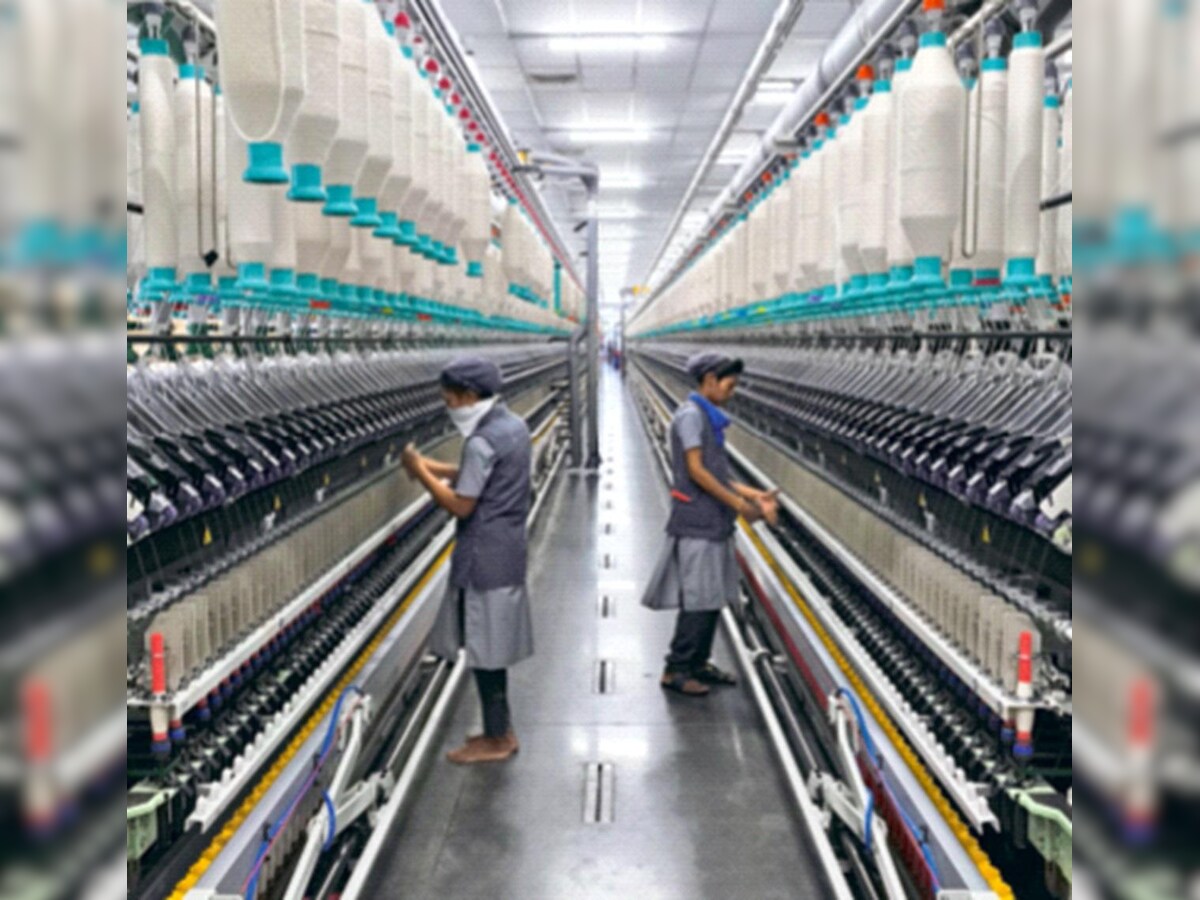
Italy will help small, medium and large scale textile enterprises of Ethiopia. Italy will support Ethiopia’s efforts in realizing goals related to the textile industry through various initiatives. The assistance will help to improve capability through training and technology.
Bilateral relations between the two countries will also be backed by economic cooperation to further strengthen existing ties.
Ethiopia has given high priority to the development of the textile industry. The country is one of the fastest growing economies and stable countries in Africa. It is one of the ten fastest growing economies in the world with inclusive development which has resulted in a lower Gini co-efficient ratio. Ethiopia offers political and institutional stability, which are precious assets for investors.
Ethio-Italy relations are not only historic, long standing and cordial but also have been gradually expanding, covering economic cooperation, regional peace and security and global issues of common interests.
Ethiopia is a nation with a very high growth rate and potential, with a population of 90 million, a low average age, and good access to lucrative markets. It has a focus on the manufacturing sector, modernization of agriculture and expanding infrastructure while simultaneously aiming to reach zero-net carbon emissions and also becoming the energy hub of East Africa.
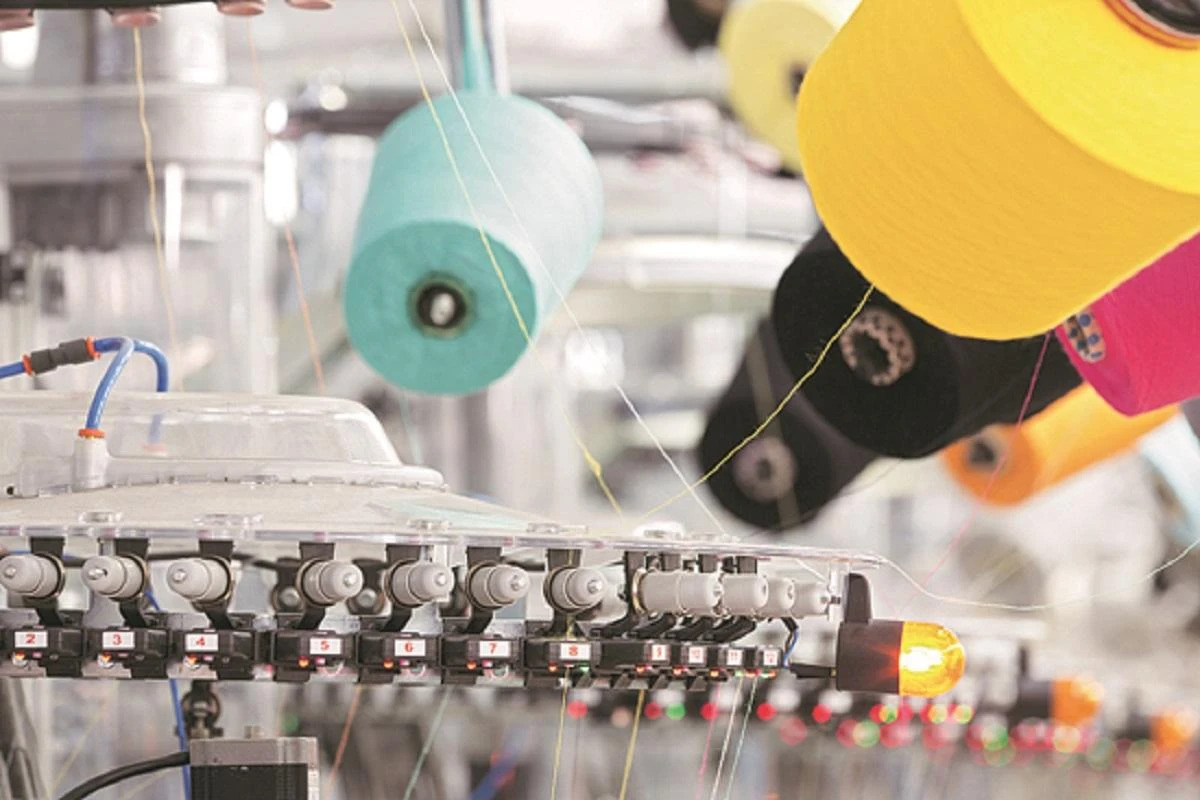
ATE has tied up with Austria’s Zimmer and China’s Union International to market Colaris-Infiniti digital printers in India. These models are based on the latest version print heads Seiko SPT1024GS. Today there are more than 20 units already installed worldwide.
ATE is a Mumbai-based company that provides world class engineering solutions for the textile industry.
With this collaboration, ATE has the option of offering high speed digital printers from Zimmer as well as medium speed printers from Union International.
Colaris-Infiniti printers inherit the tradition of Colaris technology, which is well-proven, solid and stable. Union International has a long history in digital printing.
The seeds for the product marketed by ATE were sown way back in 2014 when Zimmer and Union International joined hands to introduce a flexible digital textile printer with an excellent price-performance ratio. The target was to meet the demand for a printer that can manage different run lengths efficiently, covering small lots for sampling as well as longer batches for regular print production.
The Colaris-Infiniti series of next generation digital printers combine the technical and technological know-how of Zimmer with the efficient manufacturing of Union International.
All digital printers sold by ATE will be backed by complete after-sales-support by their well-trained service team.
On 3 October, Composites UK will officially launch its new sustainability sub group with an event held at Scott Bader’s premises in Northampton on the subject of A Sustainable Future for Composites.
The sub group, which is chaired by Steven Brown, Polymer Development Manager – AAC and Composites at Scott Bader, will incorporate the Association’s biocomposites group and is the third special interest arm of Composites UK, the others being construction and material suppliers.
This is a critical subject for the whole composites industry to be giving attention to, and the company believes that the creation of this sub group will help to further raise the profile of sustainability in the UK composites industry, says Steven Brown.
The aim of the sustainability sub group is to overcome challenges in fibre reinforced polymer composite (FRP) recycling, improve disposal methods and supply chains, incorporate more bio-based FRPs into components in the specification stages including consideration of environmental impact at the design stage as well as understanding the impact of the products we produce both to the factory gate and through life.
The group aims to spread good practice in resource and energy efficiency, and structure business models to promote this.
Environmental sustainability has always been on the agenda at Composites UK, but the launch of this group represents a new chapter where we will put in more resource to solve some of the challenges in this area and develop knowledge and good practice to increase the positive environmental impact of composite materials,says Stella Job, Supply Chain and Environment Manager.
The new all-India drawback rates for garments are two per cent compared to the 7.7 per cent drawback available till now.
The drawback was seen as one of the key policy support measures toward lifting the industry’s cost competitiveness. The industry feels that with this steep decline in the drawback support, over 7000 small and medium enterprises in apparel exports will be crippled.
AEPC wants the current transition rates to be extended till March 2018 to instil confidence in the sector and also ensure a smooth transition into GST and also for sustaining employment in the sector. The fear is that in the absence of encouraging drawback rates, exports will further witness a sharp decline just ahead of the peak festival season when the industry was expecting recovery.
Meanwhile the recent high growth of foreign direct investment in the Indian textile sector has boosted confidence levels in the textile industry.
The success rate of placements of skilled workforce in the textile sector is now over 70 per cent.
The Rs 6000-crore package is specially aimed at providing support to the textile, apparel and made-up sectors.
The textile sector offers direct employment to over 45 million people and indirectly impacts close to another 20 million households.
Long before two industry veterans, viz, Walmart and Patagonia, proposed a collaboration helmed by the then Walmart chief merchandising officer, John Fleming, and Patagonia founder Yvon Chouinard, the idea was to join competitors together to develop an index to measure the environmental impact of their products. The benefits, if the idea was successful and didn’t implode before it even got off the ground, would not only be at the individual company level, but would transform the industry.
Today, nearly a decade after, the SAC is a multi-stakeholder initiative based in San Francisco and Amsterdam, comprising of more than 200 global brands, retailers, manufacturers, government organizations, non-profits and academic institutions. And the Higg Index is now the industry standard for assessing environmental and social sustainability throughout the value chain. The Higg Index is developed solely by SAC members and offers a tool for each step along the value chain, from design and production to manufacturing to logistics. As a suite of tools, the Higg Index is a one-stop-shop tracking, measurement and analysis system for any apparel, footwear or textile company to organize its sustainability priorities — no matter the size or level of in-house sustainability expertise. Not only does the Higg Index help businesses reduce negative environmental impact from the earliest phases of design, it also increases efficiency by creating an industry standard, helps improve positive social labor practices, and offers a roadmap for continuous improvement.
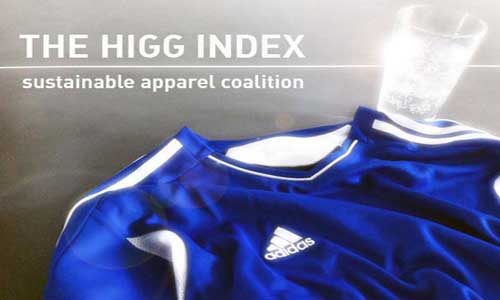
Jason Kibbey, CEO, SAC, say its members are pioneers in how they think about their brands. They are constantly exploring about how to be more efficient for the bottom line, yes, but also how to be smarter for the planet, how to be kinder to the people who make their goods, and how to produce quality products that consumers want to buy and wear.
Global collaboration – a necessity
SAC members through this extensive year-round collaboration develop the tools that comprise the Higg Index. From apparel or footwear design to material selection to chemical management to product distribution, the Higg Index empowers users with confidence in quality and credible data along every step of the supply chain. It is not unusual for members to be fierce rivals in the marketplace but when they come together within the SAC, their differences don’t get in the way of their support of the SAC mission to transform the industry. Instead, members focus on the SAC’s vision to collaboratively devise tools that help improve the entire value chain. Colleen Vien, Sustainability Director at Timberland, adds the SAC is the most valuable partnership for pursuing a focussed sustainability strategy. Their collaboration on the Higg Index is a ‘one-stop-shop’ for tools, expertise and other resources.
Enhancing transparency
The SAC believes the Higg Index will continue to play an increased role in the value chain because participation in the Higg Index creates an expectation that brands, retailers and manufacturers will align their processes with business goals and customer expectations. Everyone benefits. Some leading brands such as Adidas has used the Higg Index for all its strategic tier one suppliers since 2014 and has committed to roll out the tool to all its tier two suppliers in 2018, upon the launch of the updated Higg Facility Environmental Module (FEM), which is expected in November. Tracy Nilsson, Senior Director Social Environmental Affairs at Adidas, remarked that they collaborate closely with apparel supplier base. As a part of its Manufacturing Excellence program, Adidas aims to achieve 50 per cent water savings at apparel material suppliers by 2020. By educating manufacturers about best available technologies and processes, Adidas strengthens suppliers’ capabilities and improves water usage in the manufacturing of its products.
Towards positive change
Recently SAC kicked off a campaign to sign up 10,000 new facilities in the Higg Index by the end of 2018. Kibbey highlighted they are working towards a future where trusted sustainability information from the Higg Index is available to all decision-makers up and down the value chain, including consumers. It starts with brands that are willing to open their factory doors, share information with competitors and recognise that by prioritising industry transformation, everyone wins.
Shopping mall developments have slowed down as the developers avoided opening new malls owing to prolonged gestation periods, slow rental growth and lack of prime land parcels.
According to data compiled by property consultant JLL India, of the total 74 builders which were active in retail real estate in 2005, only five still continue to build such spaces. Besides, as per the data the share of retail development in overall commercial space has fallen to 22 per cent from 41 per cent in 2009.
During 2005-08, before the global financial crisis hit, 74 developers launched retail projects across the country, encouraged by the robust economic activity during the period. The number gradually slipped to 63 in the 2008-11 period, and during 2012-16, only 45 developers completed their retail projects. However, in all these three phases, only five developers have consistently performed and delivered premium shopping malls, says Ashutosh Limaye, head of research, JLL India.
Some of the top developers which have continued in the retail business since before the global financial crisis are DLF, K. Raheja and Phoenix Mills.
Post global financial crisis, there was a consolidation mode and so the business model was shifted to leasing rather than doing strata sale. The holding and controlling the asset for superior customer experience and tenant is the way forward has been knownsays Pushpa Bector, executive vice-president and head, premium malls, DLF Utilities.
Announcements of new projects have been very slow. Most of the projects which were launched in the last seven to eight years are largely the projects which were announced in 2004-05. It’s largely to do with non-availability of land parcels and good infrastructure connectivity, says Mahajan.
Mahajan also added that the long gestation period of around 8-10 years to build and turn around a mall also makes the business unviable for most developers.
The European Commission put its Ecolabel scheme in place 25 years ago to provide sustainability guidelines for companies and to help conscious consumers know what to buy.
Leading denim textile manufacturer ISKO is so far the only denim mill in the world that has received the EU Ecolabel.
The Turkish company has created fabric that better retains their shape, ultimately calling for fewer washes. And with 23 per cent of the water consumption in the lifecycle of a jean coming from consumer washing, the savings over time becomes substantial. The company also has filtration plants in its facilities to treat the water and use it for other sources, closing the loop there too.
Apparel making has accelerated. That has got a lot to do with fast fashion’s quick and constant turns and the cheap and often disposable nature of the clothing these of-the-moment retailers produce.
The problem with over-production is that it leads to over-pollution, with garments ending up in landfills or incinerators within a handful of years from purchase. From there, only 40 per cent of the material inputs that go into these apparel products get recycled.
People are using ten times more natural resources than they did 100 years ago.
Amazon is seeking to get into the Turkish market.
Amazon has presented possible ways of cooperation and also provided information regarding trading methods on the Amazon platform. The online retailer has made a suggestion that Turkish companies can be involved in the Amazon platform under the Amazon brand or with exclusive brands and products they can develop specifically for the platform.
Amazon has made it very big in the US, its home base, and Europe and has been very pleased with their structuring in China and India.
One attraction for Amazon is Turkey’s favorable geographical location. Possibility of daily shipments to almost every point in Europe is an important advantage.
Turkey is one of the largest home textile suppliers of Europe. Its major markets for exports are Germany, the US, UK, France and Russia. E-commerce has a share of less than five per cent in the total exports of the home textile sector. The aim is to increase the share of e-commerce twofold or threefold. Amazon is pitching its platform as a way of increasing the country’s trade.
Amazon, founded in 1994, is on Forbes’ most innovative companies list. Operating with 3,41,000 employees worldwide with annual sales of 135 billion dollars, the company's market value for 2017 is 427 billion dollars.
Silk can be a replacement for nylon and polyester based clothing.
Since silkworms and spiders spin silk by pulling rather than pushing it out of their bodies, this could lead to new, greener ways of producing synthetic fibers.
This process can be copied in an industrial setting. It could improve how synthetic materials are processed and offer more environmentally-friendly alternatives.
Conventional synthetic textiles are made by extrusion - pushing a liquid feedstock through a dye and then using high changes in temperature and exposure to harsh chemicals to solidify.
To spin silk by extrusion (pushing) means a silkworm would have to squeeze itself hard enough to generate more pressure than a firing diesel engine. This is not possible as the animal’s body would be unable to contain that pressure.
However, by measuring the forces required to pull silk from the animal’s body, researchers have found that it was well within the capability of the silkworm to pull a fiber, a process referred to as pultrusion.
However silk can solidify into a fiber at room temperature and leave only water - therefore causing less environmental damage.
The traditional production process for silk is both arduous and time-consuming, but it is possible to bypass that by mimicking nature in an industrial setting.
Clothes are cheaper and more disposable to shoppers than ever, and the environment is suffering for it. Between 2000 and 2014, global clothing production doubled. Producing this much clothing uses up huge amounts of natural resources and pumps toxic chemicals into the soil and rivers. The clothes themselves, increasingly made of polyester, are putting dangerous amounts of microfibers in the oceans, and too often wind up in landfills after little wear.
Greenpeace does acknowledge that “closing the loop” completely and perpetually recycling textiles—is important, and research has made some promising strides. The H&M Foundation and the Hong Kong Research Institute of Textiles and Apparel recently announced what they described as a breakthrough in separating polyester and cotton in blended fabrics, which has been a major stumbling block in textile recycling. The new method allows them to capture the polyester fibers with no loss of quality. The cotton, however, comes out as a powder, and according to Erik Bang, innovation lead at H&M Foundation, that powder breaks down and doesn’t retain the quality of virgin cotton. As of now, it can’t be easily turned back into clothes.
Greenpeace says that the immediate focus has to be on changing the way to produce and consume clothes in the first place. It says that it has to stop the trend for decreasing lifespans and quality by designing for long life including better quality, classic styling, repairability, durability, guarantees and emotional longevity, put an end to the accumulation of clothes in people’s wardrobes by developing services, with a priority on repair, but also take-back systems, sharing and leasing, re-selling and customization. It must also stop reinforcing the disposable/fast fashion mindset with their marketing and advertising; instead brands should promote the true value of their products and encourage a change in their customers’ attitudes.