FW


According to the latest Global Textile Industry Survey (GTIS) conducted by the International Textile Manufacturers Federation (ITMF) in July 2023, the global textile industry has shown signs of improvement despite the persisting negative conditions. The survey indicates that an increasing number of companies have successfully adapted to the challenging business environment, leading to reported improvements worldwide.
Regional Analysis: Asia Struggles While South America Bounces Back
The survey's regional analysis highlights Asia as the region facing the most significant struggles, while South America has made a remarkable comeback, returning to positive territory. Interestingly, global business expectations have remained unchanged since March 2023. However, optimism remains high across all regions for the situation to improve within the next six months, with the exception of East Asia, where concerns linger.
Segmental Trends: Weavers, Knitters, Dyers, and Finishers Report Negative Expectations
The GTIS identifies weavers/knitters and dyers/finishers/printers as two segments where expectations have turned negative. Despite a slight increase in order intake recorded in July 2023, the survey reports negative order intake across all regions and segments. While garment, home textile, and technical textile producers have experienced significant improvements, the overall balance remains negative. Notably, the order backlog has hit the lowest level ever recorded in the GTIS, with only South America and technical textiles showing any growth.
Capacity Utilization and Concerns: Industry Faces Challenges on Multiple Fronts
The capacity utilization rate has plummeted to its lowest level since the inception of the survey. Asia and Europe have witnessed a steady decrease since 2021, with home textile and technical textile producers experiencing recent drops. The major global concern in July 2023 is "Weakening demand," followed by "Inflation," "Higher raw material prices," "Geopolitics," and "Higher energy prices." However, some positive signs include falling costs for logistics, energy, and raw materials, and "Geopolitics" maintaining its position in the rankings without worsening.
Inventory Levels and Cancellations: A Ray of Hope Amidst Challenges
The number of canceled orders has remained relatively low on a global scale, attributed to most companies in the textile supply chain reporting average or low inventory levels, rendering cancellations obsolete. Surprisingly, 96% of garment manufacturers also report average or low inventory levels, while spinners, weavers/knitters, and fiber producers report the highest inventories.
In conclusion, the ITMF's GTIS showcases a global textile industry on the path to recovery, with companies adapting to the challenging environment and reporting improvements. However, challenges persist, particularly in certain regions and segments, while concerns over weakening demand and other external factors continue to impact the industry's trajectory. The ability to effectively manage these challenges and seize positive trends will be crucial for sustaining the industry's recovery.
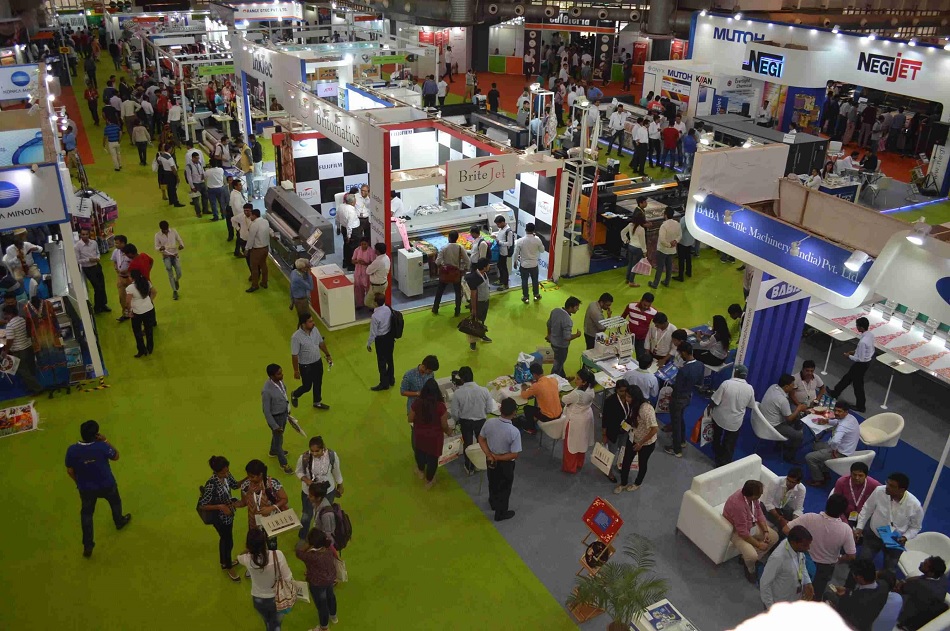
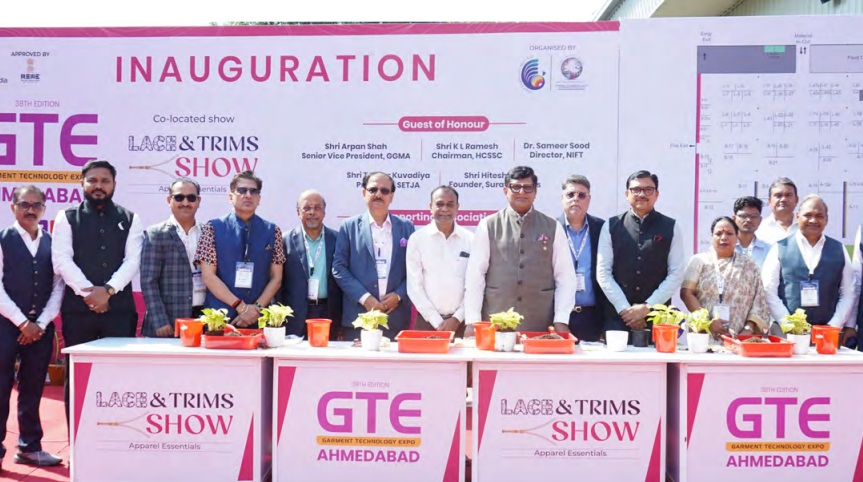
GartexTexprocess India, the highly anticipated tradeshow on garment and textile machinery, is gearing up to captivate industry professionals, exhibitors, and buyers at PragatiMaidan, New Delhi, from 3rd to 5th August 2023. Serving as a definitive gateway to India's thriving textile and garment industry, the exhibition provides a one-stop platform for showcasing and sourcing a diverse array of products, services, and technologies across the entire production value chain.
Cutting-Edge Technologies and Creative Possibilities
The exhibition will feature cutting-edge technologies facilitating efficient manufacturing and value-added machinery, along with software solutions that optimize supply chain management and streamline production processes. Attendees can also explore advancements in garment manufacturing, embroidery, fabrics, digital textile printing, knitting, washing, and processing industries, offering limitless creative possibilities and customization options.
Government Support Boosts Confidence
With consistent efforts to position India as a global textile manufacturing hub, the Indian government's trust and support have boosted the confidence of exhibitors and visitors in the platform. DarshanaJardosh, Hon'ble Minister of State for Railways and Textiles, Government of India, expressed her optimism for the exhibition, emphasizing its role in forging global partnerships and fostering inclusive growth in the sector across India.
Leading Brands and Innovations
Renowned brands such as Jaysynth, Mimaki, Epson, Morgan Technica, GrozBeckert, DuPont, Schmetz India, Juki, Brother, Kansai, Siruba, and Durkopp Adler, among many others, will showcase cutting-edge offerings, integrating automation and software solutions to enhance productivity and efficiency in garment manufacturing.
International Participation and Dedicated Pavilions
GartexTexprocess India has witnessed increased participation from international players, including Sri Lanka, China, Bangladesh, Italy, Japan, and Germany, reflecting the event's global significance. The show will also feature dedicated pavilions, including the Surat Pavilion, representing digital textile printing, textile weaving, and manufacturing sectors.
Power-Packed Conference and Exciting Platforms
The three-day power-packed conference during the exhibition will cover topics such as garment manufacturing, sustainability, denim trends, and fashion. Dynamic platforms like Denim Show, Screen Print India, and Fabrics & Trims Zone will further enhance the event's appeal and opportunities for industry professionals.
With a history of eight successful editions, GartexTexprocess India continues to be the premier platform for discovering and exploring the latest advancements in the garment and textile machinery industry. Don't miss out on this comprehensive trade show, showcasing the best in cutting-edge technology and innovation for the textile and garment sectors.
Rachna Shah, the textiles secretary, made an encouraging announcement at an event organized jointly by FICCI, BIS, and the Ministry of Textiles, stating that the Indian technical textiles sector is on the brink of remarkable growth. With the current market value standing at $22 billion, the sector is expected to reach an astonishing $50 billion within the next five years.
Shah highlighted the significant progress witnessed both nationally and internationally in the technical textiles segment. The global technical textiles market, valued at around $260 billion, is projected to surge to $325 billion by 2025-26. To achieve this ambitious target, the government is employing a multifaceted approach, with a strong emphasis on research and development in the technical textile sector, spanning fibers and various applications.
Additionally, the government is dedicated to establishing a well-structured skilling ecosystem to foster a skilled workforce essential for the sector's expansion. Shah stressed the importance of collaboration between certification agencies, the industry, and various government ministries to enhance demand and penetration of technical textiles.
She highlighted the need for standards and regulations for these highly specialized products with stringent performance requirements. Furthermore, the Ministry of Textiles has already taken proactive steps by notifying two quality control orders (QCOs) for 31 technical textiles, effective 7 October.
Additionally, draft QCOs for 28 items, including Agro Textiles and Medical Textiles, have been published on the WTO's website to encourage feedback. With such comprehensive strategies and government support, the Indian technical textiles sector is poised for exponential growth, positioning itself as a significant player in the global market.
Exactitude Consultancy's Market Research reveals promising prospects for the Viscose Fibre market, projecting a strong 4.3% compound annual growth rate (CAGR) from 2023 to 2029.
The market is expected to surge from USD 4.7 billion in 2022 to an estimated USD 6.89 billion by 2029. The comprehensive study delves into current market dynamics, analyzing trends, drivers, and constraints shaping the industry's growth trajectory.
With a keen focus on major players and their strategies, the report offers insights into the market's projected revenue and key segments. Detailed statistical analysis ensures reliable information, making it an essential resource for understanding the Viscose Fibre market's demand and opportunities through 2023-2029.
The Autumn 2023 Intertextile Shanghai Apparel Fabrics Fair is gearing up to display an exquisite range of European-designed deluxe fabrics and bespoke services, meeting the surging demand from Chinese consumers with rising purchasing power.
Taking place at the prestigious National Exhibition and Convention Centre in Shanghai from August 28th to 30th, the event promises to be highly anticipated. Highlight zones like SalonEurope, Premium Wool Zone, and Verve for Design in Hall 5.1 are expected to attract a significant number of visitors.
A multitude of country and region pavilions, along with major groups like ECOCERT, Hyosung, Korean Textile Centre, Lenzing, LYCRA, Oeko-Tex, and Sorona, have confirmed their participation to capitalize on the fair's extensive buyer network. SalonEurope will showcase premium fabrics and accessories from Belgium, France, Italy, Switzerland, Türkiye, and the UK. AG Cilander from Switzerland, known for innovative high-quality shirting materials, will be a key exhibitor, presenting cutting-edge collections for everyday use.
In the sought-after Premium Wool Zone, 32 exhibitors will present top European wool fabrics to meet the soaring demands of Chinese buyers.
Local brands will have the chance to source superior wool fabrics for contemporary, globally-influenced garments. Linton Tweeds from the UK will be a prominent exhibitor, offering meticulously designed premium tweed fabrics. Verve for Design, located in Hall 5.1, will showcase visionary textile pattern designs from around the world, setting trends for the upcoming seasons.
Notably, one featured exhibitor will present an eco-friendly collection of hand-drawn, colorful patterned fabrics produced in France. The fair's International Zone at Halls 4.1 and 5.1 will host diverse country and region pavilions, providing unique offerings sought after by domestic and international brands.
Running concurrently with Yarn Expo Autumn, CHIC, and PH Value, the Autumn 2023 Intertextile Shanghai Apparel Fabrics Fair is a comprehensive event for fashion professionals and enthusiasts alike. Co-organized by Messe Frankfurt (HK) Ltd, the Sub-Council of Textile Industry, CCPIT, and the China Textile Information Centre, attendees can expect a seamless and enriching experience.
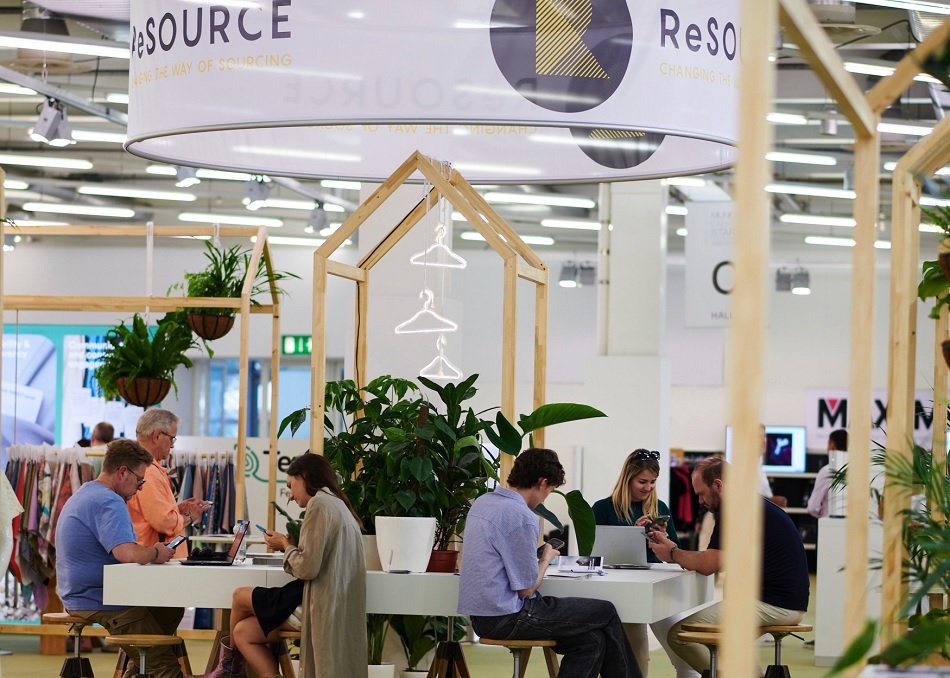
Munich Fabric Start is one of Europe’s most important trade fairs for the textile sector hosted twice a year. Between July 18 and 20, 2023, a comprehensive range of textiles, accessories, finishing and sourcing contacts for Autumn/Winter 2024-25 (A/W 24/25) were on display with 1,100 international collections in the German city.
Munich Start has already made its platform the preferred one in Europe as it ushers over 20,000 visitors for each of its bi-annual fairs – a wide range of specialized and relevant information that the global textile sector waits for is always one of the main draws of this business platform in a unique trade show format.
As Sebastian Klinder, Managing Director of Munich Fabric Start saysm “Munich Fabric Start has once again proven itself to be the platform with the strengths it is known for. In a highly professional working environment, with reliable top quality of the international exhibitor portfolio and diverse opportunities for inspiration, information and networking, Munich Fabric Start as a one-stop destination offers almost everything needed to create collections bundled in one place. The fact that we are able to offer this qualitative continuity as a trade show in transformative times, in which much of the fashion business is being re-adjusted and put to the test, is honoured by our visitors, exhibitors and partners and confirms our conviction that the trade show brings together the right people at the right place and on the right topics.”
All about innovations and inspirations
The MOC, a specialized exhibition centre in the heart of Munich continues to be the Munich Start venue. The areas was divided into eight sections to accommodate the 1,100 exhibitors that included: Algaeing, Assyst, Cadica, CNC, KBC, Liberty, Lisa, Sorona, Takisade, Tessuti, WeNordic and Yünsa, to name a few. The theme for this edition was ‘Each Other’ and it presented a unified essence of that particular season’s colours and materials expected to trend. These were brought to life by not only in sample areas that demonstrated the details but also the large sections dedicated to trends carefully analysed through projections from worldwide sources.
BLUEZONE denim trade show completes 20 years
The famed epicenter of the denim industry’s innovation experience, the BLUEZONE denim trade show celebrated its 20th anniversary at Munich Start. The motto ‘ConneXXion’ was interpreted literally in the Zenithhalle where everything revolved around networking, exchange and orientation. In addition to top exhibitors like Calik, Denim Authority, Isko, Kurabo, Naveena Denim, NDL, Orta, Royo, Saitex and Sharabati, a total of around 100 collections from the denim, street and sportswear sectors transformed the Zenithhalle into a 360° degree denim experience park. For the 20th year BLUEZONE continued to be a top attraction at the Munich Fabric Start exhibitions and trade shows. The other top attractions were the one-stop sourcing platform The Source and the innovation hub Keyhouse.
Successful business dealings
As per Frank Junker, trade shows partner and creative director, the three day event was a resounding success for stakeholders of world’s textile industry who pioneer trends and create the most inspiring and innovative products to support these trends. Junker said moving Munich Fabric Start dates was a good decision as those who are committed to being present, exploring products, discussing ideas that can become trends and most importantly sealing business deals as they go ahead to craft their A/W2024-25 collections, were present in large numbers.
Indeed, Munich Fabric Start has become the lifeline of the global fashion industry as it continually and reliably produces the much required freshness and innovation the industry thrives one. As the curtains downed on the 52nd edition, the anticipation for the 53rd one was already culpable on the closing day.

During the second quarter of 2023, the orders index for textile machinery witnessed a significant drop of 30% compared to the same period in 2022, according to ACIMIT, the Association of Italian Textile Machinery Manufacturers. The absolute index value stood at 85.1 points (basis 2015=100).
Reasons Behind the Decline
The decline in the textile machinery orders index is attributed to reduced collection of new orders both domestically and in foreign markets. Italy saw a 21% decrease in orders, while foreign markets experienced a more severe downturn of 31%. In absolute terms, the index settled at 81.9 points on foreign markets and 117.2 points in Italy. New orders for the second quarter corresponded to only 4.1 months of guaranteed production.
Impact on Production Capacity and Foreign Markets
ACIMIT's data also revealed that the production capacity utilization by Italian manufacturers reached 70% in the first half of 2023, a figure expected to remain stable in the second half of the year. However, uncertainty weighs heavily on foreign markets, with foreign trade statistics for the first quarter of 2023 indicating a slackening in Italian sales in important reference markets like Turkey, China, the United States, and Pakistan.
Hope for Recovery
Despite the challenges, ACIMIT President Marco Salvadè remains optimistic. While the decline in new orders precedes events like the international textile machinery exhibition ITMA, held in Milan last June, Salvadè emphasized that it is part of a negative trend persisting for several quarters. Feedback from over 400 Italian companies that participated in ITMA was positive, and Salvadè hopes that the contacts made during the event will lead to the demand for machinery in key textile machinery markets resuming a path towards growth.
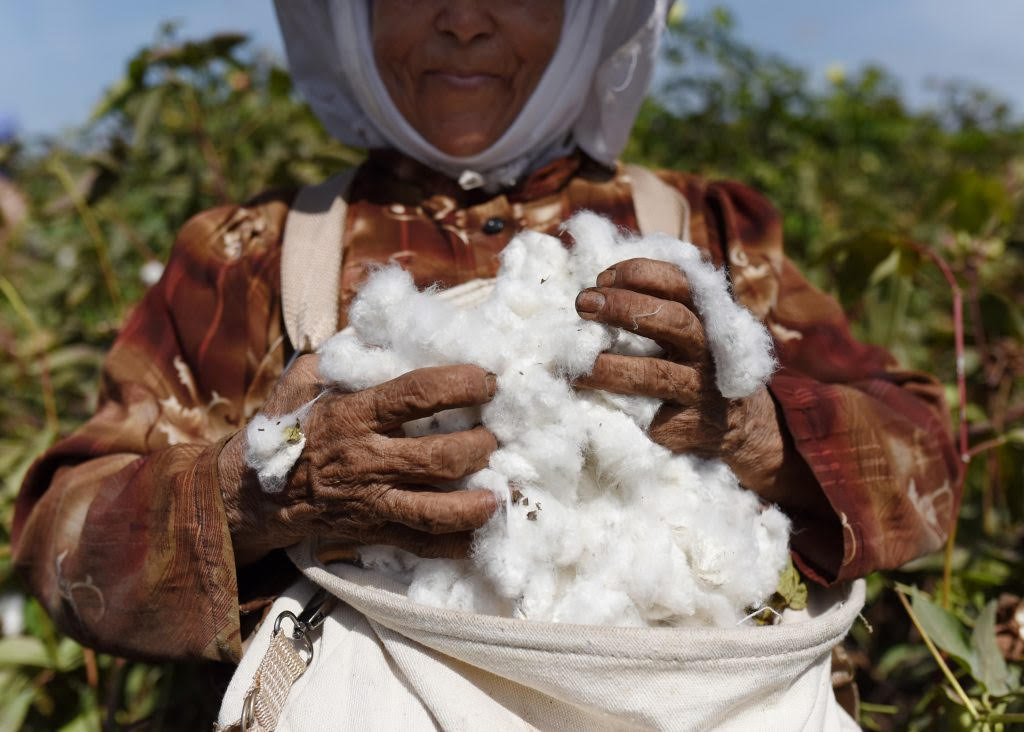
Better Cotton, the world's largest cotton sustainability initiative, has joined forces with the Cotton Egypt Association (CEA) to expand the Better Cotton program in Egypt. This strategic partnership aims to enhance the sustainability and quality of Egyptian cotton production while ensuring fair working conditions for farmers.
Egyptian cotton, renowned for its exceptional quality and heritage, has faced challenges in recent years due to climate change, water scarcity, and market fluctuations. To safeguard the future of Egyptian cotton, CEA has teamed up with Better Cotton, renewing their commitment to sustainable farming practices.
Empowering Farmers for a Sustainable Future
Through this collaboration, both organizations will work to implement sustainable farming techniques and provide training and support to farmers. Compliance with rigorous environmental and social standards will be emphasized to reduce water consumption, minimize chemical pesticide usage, and improve soil health, promoting more sustainable and resilient cotton production.
Enhanced Market Access and Industry Growth
The partnership enables CEA to leverage Better Cotton's vast network of industry stakeholders, including brands, retailers, and textile mills committed to sourcing sustainable cotton. This enhanced market access will ensure fair returns for Egyptian cotton farmers and support the growth of the Egyptian textile industry.
CEA's Executive Director, Khaled Schuman, expressed enthusiasm about the collaboration, highlighting the potential for positive change in Egyptian cotton farming practices. The partnership aligns with CEA's vision to globally authenticate the legacy of Egyptian cotton.
Alan McClay, CEO of Better Cotton, echoed the sentiment, emphasizing the shared goal of making cotton farming in Egypt more climate resilient, environmentally friendly, and responsible. He looks forward to helping Egyptian cotton communities thrive while protecting and restoring the environment.
Driving Long-Term Viability and Ethical Textiles
Both Better Cotton and CEA are confident that this strategic partnership will contribute to the long-term viability and competitiveness of Egyptian cotton. Additionally, it will address the growing demand for sustainable and ethically produced textiles, paving the way for a more sustainable future for the Egyptian cotton industry.
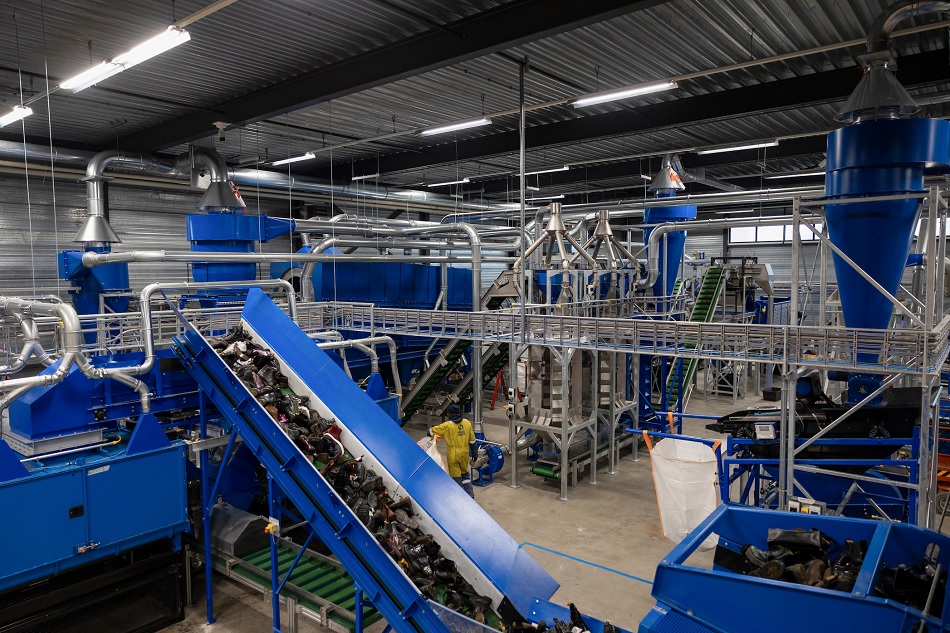
In a groundbreaking move towards a more sustainable and circular footwear industry, Fashion for Good has joined forces with major brand partners adidas, Inditex, Target, and Zalando, along with footwear recycling innovator FastFeetGrinded. The aim is to test and validate an innovative footwear recycling process that will promote the adoption of recycled materials in the footwear manufacturing sector.
Understanding the Need for Sustainable Recycling Technologies
Fashion for Good's Managing Director, Katrin Ley, emphasizes the significance of this project as a first-of-its-kind initiative in the footwear industry. The collaboration seeks to unravel the potential of sustainable recycling technologies and infrastructures that are crucial for accelerating the transition towards a circular future. By fostering collaborative partnerships, the initiative lays the foundation for scalable solutions to address the pressing environmental challenges faced by the fashion industry.
FastFeetGrinded's Unique Capability
FastFeetGrinded brings a distinctive capability to the table with its ability to deconstruct any type of pre- and post-consumer shoe into macro-components. These macro-components are then ground down into smaller, high-purity granulates, which serve as valuable raw materials for repurposing.
Driving the Recycling Revolution
The collaborative pilot involves diverting pre- and post-consumer footwear to FastFeetGrinded, where they will be transformed into various new material granulates. These granulates will be further utilized by FastFeetGrinded's extensive network of supply chain partners to create output products like outsoles, midsoles, and flip flops. The brands involved will meticulously assess the quality and purity of these products, showcasing the immense potential of FastFeetGrinded's footwear recycling technology and setting the stage for widespread adoption.
FastFeetGrinded's Crucial Role
As the demand for raw materials is projected to triple by 2050, there is an urgent need to reduce reliance on virgin resources. FastFeetGrinded, as a key recycling innovator, plays a vital role in providing the fashion industry with secondary raw materials, meeting the rising market demand, and complying with regulatory requirements for recycled content. The company's current 4000 square meter facility is already addressing this demand, with plans for global expansion underway.
With Fashion for Good's strategic partnership with leading brands and the expertise of FastFeetGrinded, the industry takes a significant step towards a more sustainable and circular future, where recycling and repurposing are at the forefront of footwear production. The project serves as a beacon of hope for reducing waste and minimizing the fashion industry's environmental footprint.
Amidst a changing economic landscape and complex international relations, the fashion industry is undergoing a transformative shift. In response, the global fashion community is actively uniting its efforts to ensure sustained growth in this new era.
Recognizing China's pivotal role in the fashion market, luxury titans and industry leaders have been flocking to Shanghai since its reopening after pandemic lockdowns, making it the gateway to showcase China's designer fashions to the world. As China's most economically potent city with a GDP of over 5 trillion renminbi ($694.4 billion), Shanghai is striving to solidify its position as a leading force in the global fashion industry.
Propelled by a vision of becoming a world-class design and fashion capital, Shanghai successfully hosted various international events despite the challenges posed by COVID-19, including Digital Shanghai Fashion Week and the fifth China International Import Expo. In line with this ambition, Shanghai is now launching the highly anticipated inaugural Shanghai Gala.
Organized in collaboration with WWD China, the Shanghai Gala aims to bring together renowned fashion designers, creatives, celebrities, government representatives, and diplomats from around the globe. The gala will kick off with a captivating red carpet event, followed by the opening of the "A New Vision of Design" fashion exhibition.
This exhibition, one of the highlights of the second World Design Capital Congress (WDCC), will provide a platform for leading designers worldwide to showcase their creations, including fashion works, graphics, manuscripts, and installations, under the themes "Heritage Fashion," "Contemporary Fashion," and "Fashion for the Future."
The Shanghai Gala serves not only as a platform for designers to connect with the local market but also as a space for industry decision-makers to exchange insights and expertise. As China enters a new era, Shanghai's rapid recovery and strategic push for growth in the fashion sector position it as a key city in China's quest to become a global fashion powerhouse.
The Shanghai Gala is seen as a pivotal step towards unlocking the industry's vast potential and fostering meaningful dialogues between the East and the West, celebrating the inspirations and creativity of today's leading fashion designers.