FW

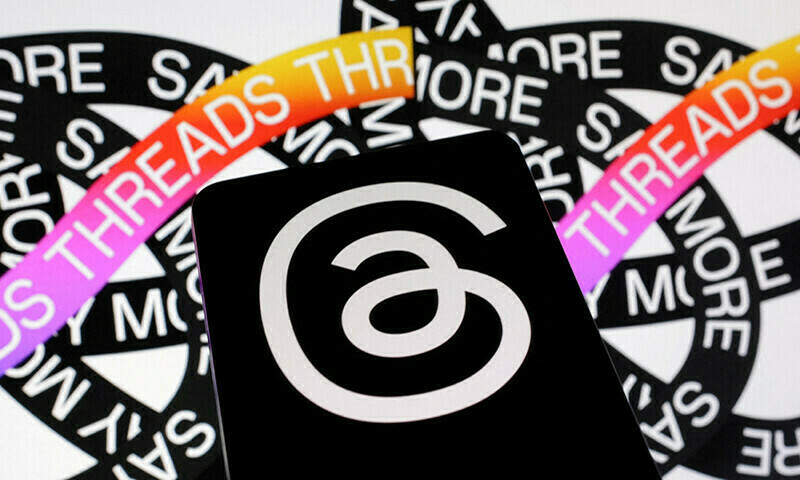
Facebook Meta, cloned Twitter to launch its own micro-blogging platform Threads on July 5. This was met with unexpected enthusiasm. Today, Threads has over a 100 million users already, as the Instagram community for its sign-ups which gives it an advantage due to the massive two billion strong users that Instagram has. There’s another clever catch – to ensure their following doesn’t drop, Instagram users who have signed up for Threads can’t delete their Threads account without deleting their Instagram account.
Riding on Instagram’s success
For advertisers, this means their communication gets the advantage of their content getting the opportunity to be seen at least twice, on Instagram and Threads. This can translate to cost-efficient advantage for brands and retailers, particularly those who are solely dependent on advertising in the popular social media sites. The question being asked is how advantageous is Threads in combination with the already established Instagram for brands and retailers and which categories benefit most?
Surprisingly the big names who instantly jumped into Threads from day one were big international media companies like CNN, CNBC, ABC, Vogue, etc. Are they on an exploratory mode as each of these media giants has huge follower bases on Twitter? It turns out, a quick research has pointed out that Thread within its first week of being has already won the war against Twitter in terms of follower engagement. Threads is not only growing fast but also has an user engagement rate of 0.45 per cent over Twitter’s user engagement rate of 0.02 per cent.
Are brands hesitant with Threads phenomenon?
Nothing is more attractive than a social media platform that’s flooding the world at an unbelievable rate and showing promising engagement rate for brands and retailers alike. Media and entertainment companies like Netflix and Amazon Prime have already started their Threads accounts. Sports leagues like the NFL and WWE are also on the app. McDonald’s has set up over two dozen accounts coordinating with the countries it operates in. Of the top five most popular consumer brands (M&M, Band-Aid, Ziploc, Dawn, Reese’s, according to YouGov.com), only Reese’s has activated their Threads account. What’s holding these popular consumer brands back? Rihanna herself hasn’t activated her Threads account but her companies including Fenty Beauty, Savage X Fenty and Fenty Skin are.
So what is keeping lifestyle and fashion brands from creating their account? Only Nike has stepped into the world of Threads. Gucci, Chanel, Prada, Burberry, Louis Vuitton, Fendi, Dolce & Gabbana, Saint Laurent, Ralph Lauren have stayed away so far. Is Threads being perceived with the same question mark over its image like TikTok a few years ago? However, the big retailers across the US with the exception of Costco, are already on Threads. Is it a more suited platform for retailers than brands?
Many have joined Threads with good results
One reason so many big brands have been quick to leap on to Threads is because of its tight integration with another of Meta’s massive social networks, Instagram. Threads users can only sign in with an Instagram account, and when you do, you immediately have the option to follow all of the same accounts you follow on Instagram. Likewise, when users sign in for the first time, they’re prompted to follow any brands they already do on Insta. Consequently, companies with big Instagram followings can go from zero to millions of Threads followers in no time. Netflix US already has 1.7 million Threads followers. Nike has almost 500,000, ASOS over 200,000. All this over a day after the service was launched.
Understanding the reaction so far
It’s easy to see why companies are being cautious. Threads is a new and brands are undoubtedly waiting to see what Threads turns into before they commit to it. Even retailers already present on Threads are not posting a lot, waiting to see where consumers land. Walmart has three million followers on Instagram but less than 60,000 on Threads so far.
In fashion, it’s mostly American brands that are more active but not everyone has joined in. Besides Nike, major brands like Coach, Abercrombie, Calvin Klein and Michael Kors have activated their accounts but Tommy Hilfiger and Levi’s have not.
As a general rule, most brands and retailers want to be second, especially in technology. They want to see someone else jump in and succeed before they commit. The risk for them is that social media becomes even more political than it is already. There is a trend evolving where the medium defines your political views and now that’s extending to social media too. One member of Congress has already said they’re sure Threads is “a Marxist style social media experience” that will be used to “steal elections.”
The big question is what will happen to social media in the foreseeable future? Will Threads become a threat to Twitter and become the electronic public square they both aspire to be? Will Twitter become a right-wing medium and Threads a left-wing medium? Will Threads fail? No one knows but the uncertainty explains brands’ and retailers’ behavior so far.
If Threads is successful, brands and retailers have to be there. Since Threads is linked to Instagram, a handle can only be used the owner of the Instagram account. Brands may feel they’re not in a hurry to commit to it and are waiting to see how it shakes out. The worst outcome for brands/retailers is if Threads and Twitter go the opposite way politically then they’ll have to be on both media.
The best outcome is for outrage and vitriol to simmer down but that seems the least likeliest outcome. So far it looks like Threads has high potential to threaten Twitter’s market position and that may mean changes to brands’ and retailers’ marketing channels and strategies. Threads isn't just growing fast—its users are also more engaged than on Twitter.
The US Department of Agriculture (USDA) predicts a decline in global cotton production for the year 2023-24, estimating it to be around 116.84 million bales of 480 pounds/218 kg. This projection represents a decrease from the previous year's production of 117.97 million bales.
The USDA's July 2023 World Agriculture Supply and Demand Estimate (WASDE) report also reveals expectations of increased global cotton consumption, larger opening and closing stocks, and a rise in global exports.
According to the report, global cotton consumption is anticipated to reach 116.45 million bales, showing growth from the previous year's figure of 109.77 million bales. The opening stock for the upcoming year is estimated at 93.95 million bales, compared to 86.04 million bales last year.
The closing stock is projected to be 94.52 million bales, slightly higher than the 93.95 million bales recorded in the previous year. Global cotton exports are expected to rise to 43.51 million bales, an increase from the 37.56 million bales reported last year. The USDA report highlights specific country projections as well. India's opening stock is expected to increase to 11.6 million bales in 2023-24, while cotton production is estimated to decline slightly to 25.50 million bales.
India's consumption is projected to rise to 24.50 million bales, and exports may increase to 2.20 million bales. China, on the other hand, is forecasted to experience a decrease in cotton production to 27 million bales from the previous year's 30.70 million bales.
As a result, its imports could rise to 9.75 million bales. China's consumption is also expected to increase to 37 million bales. In contrast, the United States may witness growth in cotton production, with an estimated increase to 16.50 million bales from last year's 14.47 million bales.
US cotton exports may also see an upward trend, potentially reaching 13.75 million bales compared to the previous year's 12.90 million bales.
Philadelphia, Pennsylvania is set to host the prestigious 38th World Fashion Convention from October 23-25, 2023. Organized by the International Apparel Federation (IAF) and the Sewn Products Equipment & Suppliers of the Americas (SPESA), this annual event brings together global brands, retailers, and suppliers to tackle the industry's pressing challenges and develop practical strategies.
Distinguished by its comprehensive global supply chain perspective, the World Fashion Convention stands out among industry events.
Rather than mere pledges and predictions, the convention focuses on fostering collaboration across the supply chain to ensure successful solutions. The IAF and SPESA jointly expressed their conviction that tackling industry issues without this collaborative approach is bound to fail. This year's convention will delve into critical topics such as sustainability and circularity, aiming to foster a greener and more profitable apparel industry.
IAF president CemAltan emphasized the importance of shared investments across the supply chain to drive change and nurture a responsible industry. Digitalization, transparency, consumer market development, legislation, and sourcing models based on shared risk and reward will also be explored in educational sessions featuring major brands, retailers, and manufacturers from around the world. Michael McDonald, president of SPESA, highlighted the convention's dual purpose of providing global perspectives on industry issues while showcasing the unique challenges and opportunities within the host country.
This year, the agenda will address regionalized supply chains and sourcing in the Western Hemisphere to cater to the interests of US suppliers, brands, and retailers. Attendees can expect a diverse range of educational offerings, including panel discussions, case studies, and keynote presentations.
The convention will commence with an address by Tom Glaser, a highly regarded former executive of VF Corporation and Tapestry. Additionally, numerous networking opportunities and engaging activities will be available for participants and guests. The 38th World Fashion Convention is poised to be an exceptional platform for industry professionals to collaborate, exchange ideas, and shape the future of the global fashion landscape.
The US has captured a significant 40% share in the plus size clothing sector, becoming the leader in 2023. This achievement is primarily attributed to the country's large population grappling with obesity and increased spending on plus size apparel. The market's growth is further driven by the rising calorie intake in middle and high-income households, which creates a demand for inclusive clothing options.
Additionally, the market benefits from fashion-forward trends and a strong emphasis on body positivity, generating a desire for fashionable plus size fashion. Projections indicate a 5.7% compound annual growth rate (CAGR) for the plus size clothing market. By 2032, it is estimated to reach a value of US$1,044.3 billion compared to US$601.7 billion in 2022.
Despite the initial impact of the COVID-19 pandemic, which resulted in a decline in sales due to labor shortages, production issues, and reduced consumer spending, the demand for plus size clothing is expected to rebound. Sales in this segment are predicted to experience the fastest growth rate during the forecast period, driven by the increasing need for high-quality and luxurious products catering to customers of all sizes.
Retailers are actively responding to the surging demand by launching new plus size apparel lines. Walmart, for example, introduced its Terra and Sky plus-size brand in 2018 to expand its customer base. Other notable retailers, including River Island, Marks & Spencer, and New Look, have also expanded their plus size offerings to meet the growing market demand.
The upward trajectory of the plus size clothing market is supported by factors such as the rising prevalence of obesity and overweight issues, the growing desire for fashionable plus size apparel, and the positive influence of celebrity endorsements and media representation.
The FASHION CHINA pavilion at Who's Next in Paris will host CHIC (China International Fashion Fair) from September 2 to 4, 2023. The event will showcase twenty leading Chinese fashion brands across 900 sqm of space. Chinese designers will display an impressive selection of women's wear, men's wear, sportswear, and hats.
Renowned brands like Ellassay, Laurèl, JNBY, LUO ZHENG, RAXXY, KEYONE, Thread & Story, MAY D.WANG Cashmere & Silk, Yvonne CHOI, SE JIE, VAN SUNSUN, SELAH, EXTENDED, ARYA CASH, JORE BAUDRY, CANMADE, and HEMPEL International will present their exceptional designs.
Notable names in men's wear include KB Hong by K-BOXING and JOEONE, while FENGGY will showcase exclusive sportswear. Luo Zheng and Hong Boming have been honored with the prestigious Top China Fashion Designer "Jinding Award." Luo Zheng became the first Chinese women's wear designer to showcase at New York Fashion Week, and KB Hong has been organizing shows at Milan Fashion Week. JOEONE and RAXXY will also make appearances at Paris and Milan Fashion Weeks, respectively.
The event serves as a preview of CHIC's future international presentations and its goal to become a hub for Chinese fashion brands.
According to recent data from the Commerce Department, apparel and textiles imports into the U.S. experienced a significant drop in May. The Office of Textiles & Apparel (OTEXA) reported a 17.6 percent decline, with total imports reaching approximately 8.8 billion square meters equivalent (SME) compared to the same period last year.
Textile imports fell by 13.9 percent to 6.8 billion SME, while apparel shipments slumped by 28.1 percent to 1.99 billion SME. Overall, year-to-date imports of textiles and apparel through May registered a 22.4 percent decline, totaling 36.4 billion SME.
Textile imports fared better, experiencing a 19.1 percent decline to 26.8 billion SME, while apparel shipments plummeted by 30.5 percent to around 9.6 billion SME. Notably, major Asian textile and garment producers faced significant losses. India, Bangladesh, Pakistan, and Vietnam witnessed declines of 36.3 percent, 34.6 percent, 33.3 percent, and 33.1 percent, respectively.
In contrast, China experienced a milder drop of 15.4 percent but maintained its position as the leading trading partner with the U.S., surpassing India by more than threefold.
Nearshoring efforts were evident in Mexico, which saw a substantial increase of 210.5 percent in apparel shipments, and the Czech Republic, with a significant surge of 265.2 percent. These gains may be attributed to retailers' desire to reduce dependence on China and mitigate supply chain disruptions.
Better Cotton, the world's largest cotton sustainability initiative, has pledged its commitment to the United Nations Economic Commission for Europe (UNECE) Sustainability Pledge. This open-source initiative provides policy recommendations and standards to authenticate sustainability claims in the industry.
The aim is to create a Community of Practice focused on traceability and transparency, crucial elements for promoting sustainability and circularity. By endorsing legitimate tools and projects that enhance supply chain traceability, the pledge benefits policymakers, companies, workers, and consumers alike.
Better Cotton joins over 90 businesses, including Inditex, Vivienne Westwood, WWF, Retraced, and FibreTrace, in committing to the pledge. Better Cotton's Traceability Solution, developed as part of its 2030 Strategy, allows Retailer and Brand Members to verify the origin of Physical Better Cotton in their products.
It also facilitates farmers and suppliers in accessing regulated international value chains, supporting livelihoods in cotton farming communities. Extensive consultation with stakeholders, including suppliers, members, and industry consultants, has shaped the development of Better Cotton's Traceability Solution.
The solution's phased roll-out will enable supply chain actors to comply with chain of custody requirements for traceability by 2025. This initiative is particularly relevant in the fashion and textile sectors, where regulatory pressure is mounting to combat greenwashing.
Better Cotton's forthcoming Traceability Solution will establish the provenance and lifecycle of cotton, starting at the country level and aiming to enhance data granularity in the future.
According to data compiled by the Bangladesh Garment Manufacturers and Exporters Association (BGMEA), Bangladesh's garment export to India has crossed the $1 billion mark for the first time in the fiscal year 2022-23. The shipments experienced a remarkable 42 percent year-on-year increase, reaching $1,012 million during the July-June period.
The duty-free benefit under the South Asian Free Trade Area has significantly contributed to the recent growth, with exports nearly doubling from $421 million in fiscal year 2020-21 to the current level.
Furthermore, Bangladesh's garment exports to Australia also reached the $1 billion milestone in the last fiscal year, demonstrating the potential for further expansion in that market.
Additionally, Japan has emerged as a promising destination, with shipments surging 46 percent year-on-year to $1,599 million in fiscal year 2022-23. Despite slower exports to traditional markets, such as the European Union, the United States, and the United Kingdom, Bangladesh experienced a notable 31 percent year-on-year growth in garment exports to non-traditional markets.
This expansion accounted for 18 percent of the total receipts of approximately $47 billion in fiscal year 2022-23, reflecting a three-percentage point increase from the previous year. Factors like high inflation, overstocking of apparel, and the impact of the Ukrainian war were cited as reasons behind the slowdown in traditional market exports, according to Mohiuddin Rubel, a director of the BGMEA.
ICRA predicts a 7% revenue decline for Indian cotton spinners in FY2024 due to lower cotton prices. This decline will also impact cash accruals, signaling a challenging year ahead. Despite the revenue decline, there is a silver lining for spinners. ICRA expects operating margins to improve as higher volumes and reduced logistics expenses contribute to better profitability. Additionally, spinners' borrowings are forecasted to decrease, leading to improved debt coverage ratios and capital structure.
Potential for Increased Capital Expenditure in FY2025 Looking beyond FY2024, the industry may experience a boost in capital expenditure announcements. Factors such as machinery modernization, demand from the "China Plus One" movement, and growing interest from EU and North American consumers are expected to drive investment plans.
Cotton prices experienced a significant decline in H2 CY2022 and continued to decrease by 20% in May 2023. Despite this, domestic cotton production is projected to increase by 10% in CY2023, although slow progress in sowing due to a delayed monsoon has been observed in Maharashtra and southern states.
Steady Yarn Prices and Contraction in Gross Contribution Margins Yarn prices are expected to remain stable in the near term, with a slight increase anticipated in H2 FY2024 as downstream companies' demand picks up. However, despite this, spinners are likely to face a contraction of approximately 5% in gross contribution margins for FY2024 due to unfavorable movements in cotton fiber and yarn prices.
Recovery Exports account for a significant portion of India's cotton yarn production, but FY2023 witnessed a substantial decline in exports. Although there is projected to be a 15-17% increase in cotton yarn production for FY2024, both production and exports are expected to remain below the historical highs seen in CY2022.
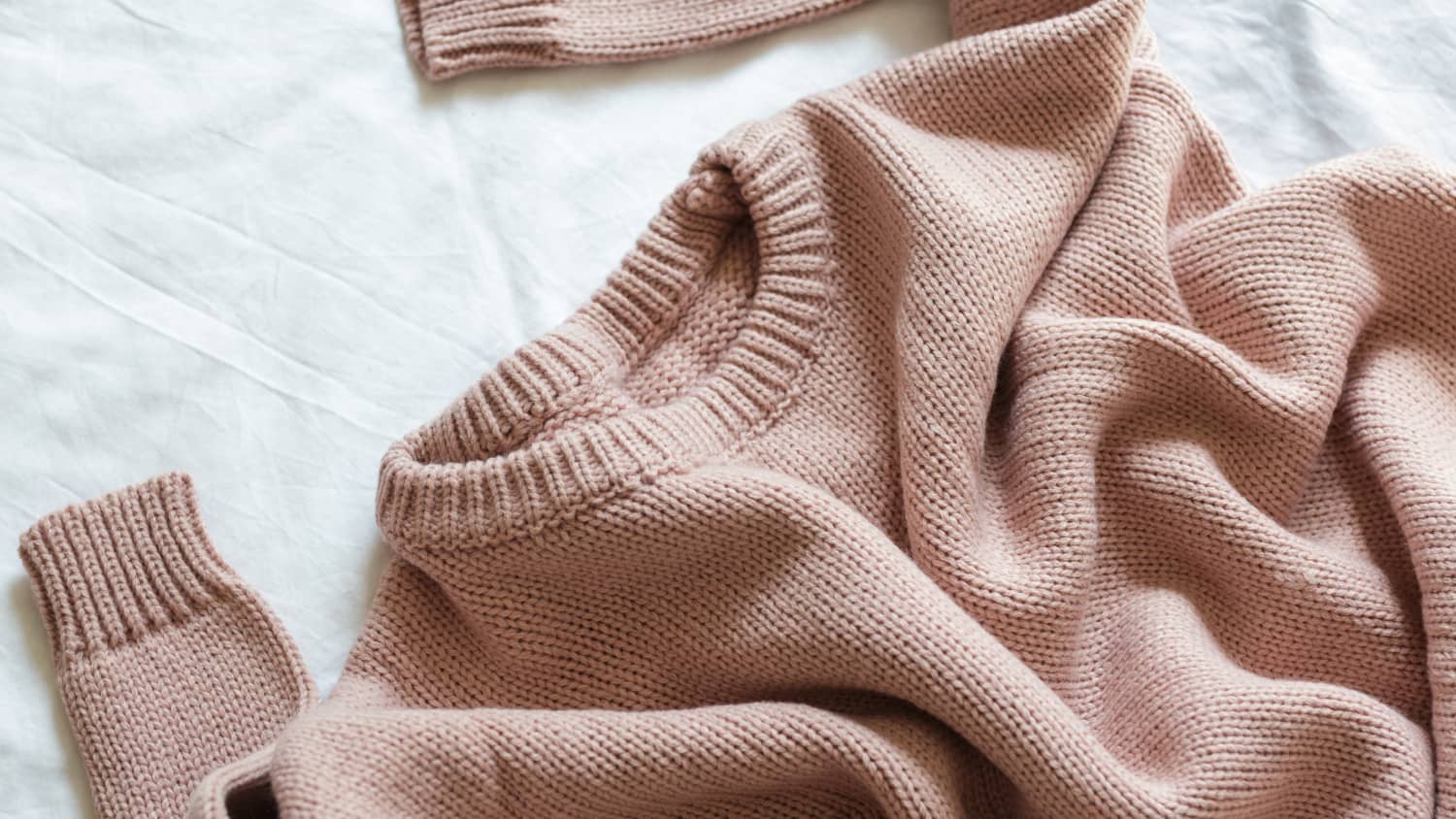
Wool in itself isn’t as large a natural material source cotton and traditionally wool has only been recycled when there was natural calamity that decreased the production of fleece from livestock. However, with climate change a hard-hitting reality, major wool producing countries like New Zealand and Australia are struggling with fleece production, leading to a renewed interest in recycling wool, globally.
Historically, the global recycling of wool has been driven by economic opportunity and necessity. Now, environmental concerns are spurring demand for recycled wool as consumers seek out clothes made primarily of reused natural fibers instead of synthetic materials, many of which can be recycled only through expensive, complex processes that involve chemicals.
Wool recycling model for circularity in fashion
Manteco SpA, an Italian fabric manufacturer that solely uses recycled wool is a case in point. The factory in Prato, Tuscany’s second largest city makes new fabric from used wool and has a simple process. The garments are manually stripped, and the scraps are mechanically shredded. Next, the fibers are blended with color to get the desired hue. After a carding machine untangles and aligns the fibers in one direction, the material is spun into yarn and undergoes quality tests before being woven on a loom into a textile. Prato counts more than 7,000 companies that specialize in some part of the city’s clothing and textile industries, of which wool recycling plays a major role.
When making textile from recycled wool, the quality of old wool determines the amount of virgin fleece wool that is required to make the yarn tensile enough for textile manufacturing. In some cases, virgin nylon is used instead of virgin wool to give the old wool more tensile strength. For example, using different ratios of recycled wool and virgin wool or virgin nylon, Manteco maintains a strict adherence to the best practices of recycled wool to textile process and is able to produce even the finest quality of woolen fabrics. Lately, technology is helping Manteco with innovative yarn and textile manufacturing processes that are reducing manual labour and energy costs and saving further on emissions. Manteco states its recycled wool has a significantly lower carbon footprint than those of virgin wool and many other textiles.
Producing a kg of MWool generates 0.62 kg of carbon dioxide equivalent—a measurement used to compare various greenhouse gases—while the same amount of fleece sheared from a sheep creates 75.8kg of CO2e, the company says in its life-cycle assessment study. Cotton and polyester generate 4.69kg of CO2e and 4.31kg of CO2e, respectively, the company says, citing data from life-cycle inventory database provider Ecoinvent. However, recycling of wool is limited to a number of times as every recycling produces shorter fiber length. This then can only be fixed by adding greater quantities of virgin wool or nylon. This extends the life of the existing materials but doesn’t fully replace the need for new fibers.
Different fibers, different recycling
The founder of Karachi-based Datini Fibres, Hasnain Lillani says to boost textile recycling, clothing designers and apparel brands need to communicate better about how to increase the circularity of materials and supply chains. Identifying which materials are best for the environment isn’t straightforward, as the impacts of processes and supply chains aren’t always comparable, and recyclability is just one element to consider when assessing sustainability. For example, while wool can be recycled mechanically, the more than 1 billion sheep involved in its production globally produce burps containing methane, a potent greenhouse gas. Synthetic materials, on top of not being easily recycled, can shed microplastics in the wash, a menace to ocean creatures that’s not an issue with natural fibers.