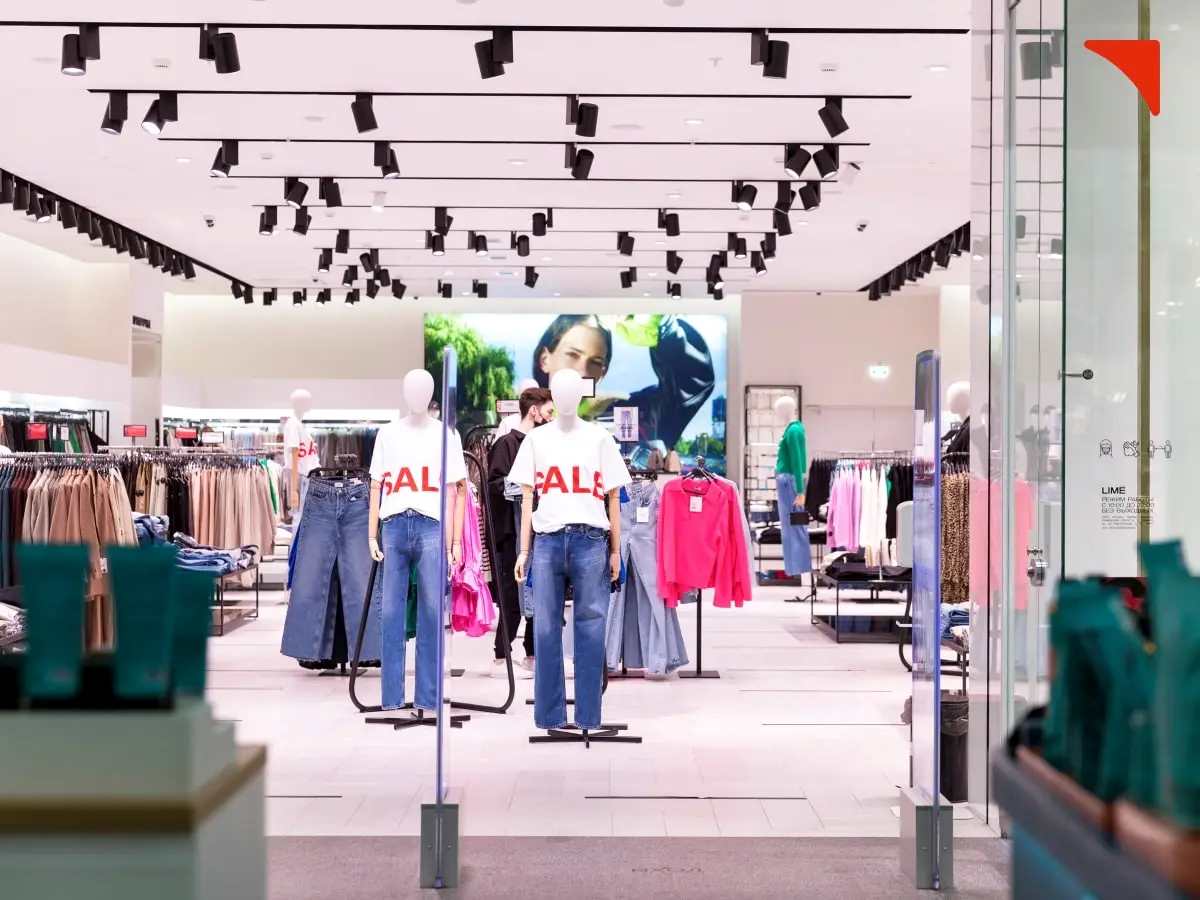
Demand for comfort, performance and style has driven the need for a multifunctional wardrobe which has given a huge boost to global athleisure market which is growing at nine percent. Consumers who purchase sports clothing for exercise also wear such items for eating out or shopping. This willingness to pair sportswear with core wardrobe pieces has opened sportswear brands up to new audiences and allowed them to diversify into new product areas, boosting their share of the global clothing and footwear market. Active wear brands are selling consumers a lifestyle, and fashion retailers are leveraging their style credentials to produce affordable fitness ranges to sell alongside core casual and formal wear collections. Increasing consumer appetite for comfort has also fuelled sales of active wear and trainers with brands utilising their technical expertise in ensuring products offer freedom of movement, aid temperature and sweat control, shape the body and provide support.
While fashion trends and influencers have driven the success of athleisure market, sustainability movement will continue to support the desire for a multifunctional wardrobe. Consumers are purchasing more consciously and reducing spend on fast fashion, playing into the hands of those retailers and brands that can showcase the versatility of their items, as well as the durability and quality.
- 1
- 2
- 3
- 4
- 5
- 6
- 7
- 8
- 9
- 10
Global cotton enters a deficit year in 2026 as supply drop meets logistics risk
The global cotton economy has entered a fragile and sensitive phase. Early projections for the 2026-27 season suggest that world... Read more
India’s textile trade gets a Pacific push as New Zealand FTA removes tariff barr…
India and New Zealand have inked a ‘once-in-a-generation’ Free Trade Agreement (FTA), one that will have a profound impact on... Read more
Lululemon’s world-first nylon circularity push signals a new apparel arms race
The global apparel industry’s circularity narrative is entering a more technically demanding phase. Polyester recycling once the flagship of sustainable... Read more
Beyond the DTC Rush: Levi’s hybrid channel strategy sets a new retail benchmark
The global apparel sector is entering a phase where channel strategy is no longer a tactical lever but a core... Read more
The New Rules of Resale: EPR turning secondhand into fashion’s strategic growth …
The global fashion industry is facing a decisive regulatory and commercial reset. What began as a sustainability narrative around reuse... Read more
The 2027 Mandate: Why denim’s future hinges on verifiable data
For decades, the global denim industry has relied on a narrative of durability, heritage, and authenticity. That narrative is now... Read more
Europe’s textile core unravels as costs, imports and policy pressure bite
Europe’s textile and apparel sector, long seen as a benchmark for craftsmanship and industrial depth, is slipping into a prolonged... Read more
Automation, innovation, regulation are the forces shaping textiles in 2026
The global textile sector has entered a new era. Early 2026 saw the industry breach a $1.06 trillion valuation, reflecting... Read more
The new Brussels rulebook, every EU apparel order is now a balance-sheet risk
The humble export order sheet is undergoing a transformation. What was once a straightforward commercial instrument: SKU, volume, FOB price,... Read more
Why 2026-27 could be a defining cotton year for India’s farm-to-fashion economy
The global cotton economy is entering a more constrained phase, and for India, the implications run far beyond the farm... Read more