Garment exporters in Bangladesh frequently have to accept prices below their production costs. They feel they have to do this if they want to maintain business relations with their retailers. They fear losing out on work orders. Another fear they have is that if they do not accept prices below their production costs, they will lose everything and will not be able to pay workers at the end of the month. Another reason for accepting lower prices is the hope of price hike and profit in future.
Bangladesh garment suppliers are being driven down on price by apparel brands and retailers. While the unit price is going down by the season, prices of all materials and operation costs are going up. Very few buyers offer better prices. The relationship between suppliers and brands is essentially unequal. If ever there were a buyers’ market, this is it. So, the manufacturer may be asked to change the styling, add trims or change wash method of a garment but the buying team never wants to pay for these changes. Bangladesh is the world’s second largest garment exporter. If the country wants to race ahead, it needs more specialisation, more added value, and more innovation which will lead to greater bargaining power with brands.

- 1
- 2
- 3
- 4
- 5
- 6
- 7
- 8
- 9
- 10
Polyethylene stretch yarn challenges elastane’s hold on activewear
The global activewear, denim and intimate apparel markets have built a substantial business around stretch. But the same fibre combinations... Read more
Automation Meets Italian Design: FFI Srl unveils ‘Next-Gen Robotics’ to help bra…
At the recently concluded autumn edition of Ready to Show inside Hall 10 at Fiera Milano-Rho—staged alongside the Milano Fashion... Read more
From Dhaka to Milan: Mascom Composite backs Southern Europe’s sports and lifesty…
While the trade floor of Ready to Show Milano inside Hall 10 at Fiera Milano-Rho placed a heavy spotlight on... Read more
How surging silver prices are reshaping ‘Mid-Tier’ fashion jewellery
Escalating global bullion volatility and raw material pricing pressures are forcing a fundamental reassessment across the mid-tier fashion jewellery trade.... Read more
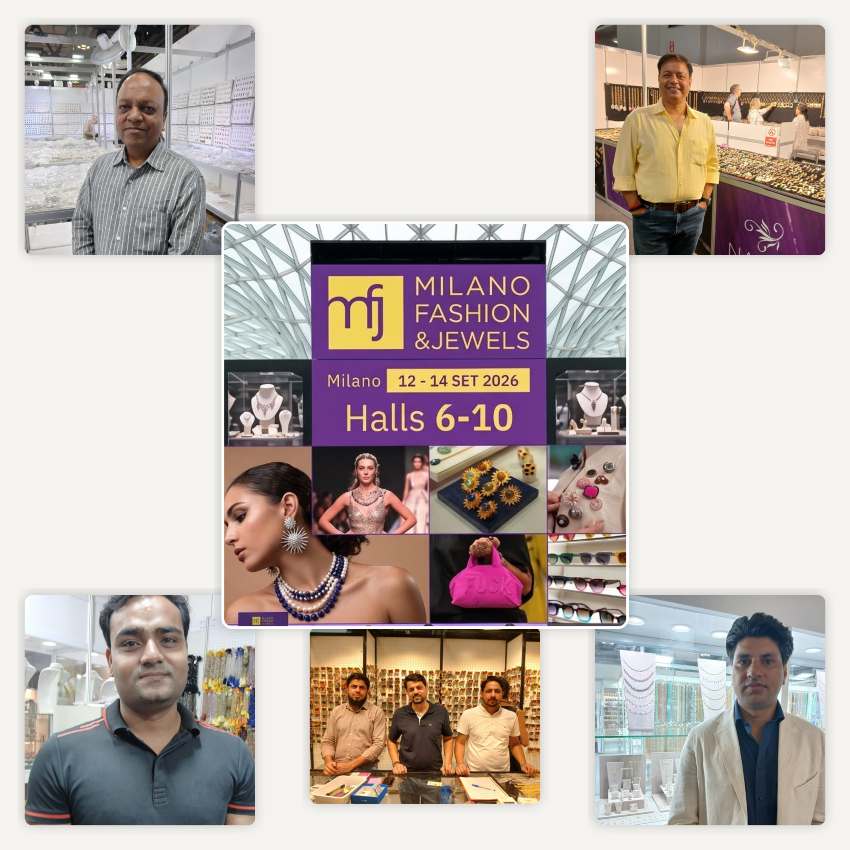
Milano Fashion & Jewels: How ‘Re-Engineered’ heritage crafts are driving hig…
A counter-movement against industrial uniformity is reshaping European bijouterie, transforming authentic craftsmanship into a powerful lever for high-margin boutique growth.... Read more
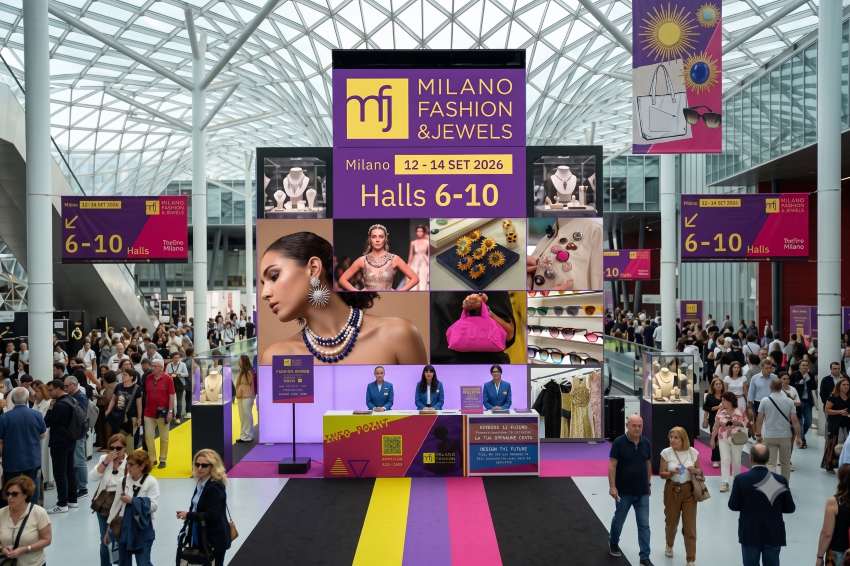
The "Total Look" Retail Revolution: The integration of jewellery, acce…
The conventional boundaries separating fashion jewellery, ready-to-wear and leather goods, have collapsed on the international retail floor. At the September... Read more
Why Rules of Origin could limit India’s FTA gains
India’s growing network of trade agreements promises lower tariffs and wider market access for its textile and apparel exporters. But... Read more
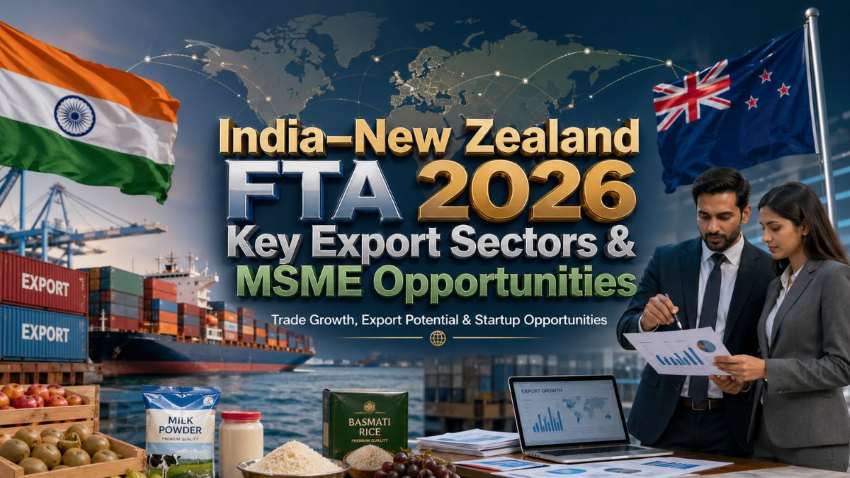
India-New Zealand FTA opens tariff-free route for textile exporters
The India-New Zealand Free Trade Agreement (FTA), which comes into force on October 20, 2026, creates a new tariff-free corridor... Read more
Virgin polyester drives global fibre output to record 139 mn tonnes
Global textile fibre production reached a record 139 million tonnes in 2025, up 5.3 per cent from 132 million tonnes... Read more
Turkish apparel bets on ‘High-End Value’ at Ready to Show Milano
At the autumn session ( September 12-14, 2026) of Ready to Show inside Hall 10 of Fiera Milano-Rho, the Mediterranean... Read more