Even as H&M shareholders prepare to meet in Sweden, the Clean Clothes Campaign, International Labor Rights Forum, Maquila Solidarity Network, and Worker Rights Consortium have released a report revealing that the majority of H&M’s Bangladeshi supplier factories are still not safe. Three years after H&M became the first signatory to the Accord on Fire and Building Safety in Bangladesh; almost all its factories remain behind schedule in carrying out the mandated renovations, with 70 per cent of its strategic suppliers still lacking such a vital, life-saving feature as adequate fire exits. On the day of H&M’s Annual General Meeting, activists around the world will make their concerns known at their local H&M store.
Four NGO witness signatories of the Accord have reviewed H&M's strategic suppliers in Bangladesh, after two earlier reports in September 2015 and January 2016. Although some progress is visible, the slow pace is concerning. The new analysis shows that all factories that in January 2016 still had lockable doors that might prevent workers from leaving the factory in an emergency have now removed those locks. Also the percentage of sliding doors or collapsible gates still in place has decreased considerably.
However, more troubling is that 69 per cent of these factories have not completed the installation of all fire-rated doors required for a safe exit for all workers in the factory.

- 1
- 2
- 3
- 4
- 5
- 6
- 7
- 8
- 9
- 10
Polyethylene stretch yarn challenges elastane’s hold on activewear
The global activewear, denim and intimate apparel markets have built a substantial business around stretch. But the same fibre combinations... Read more
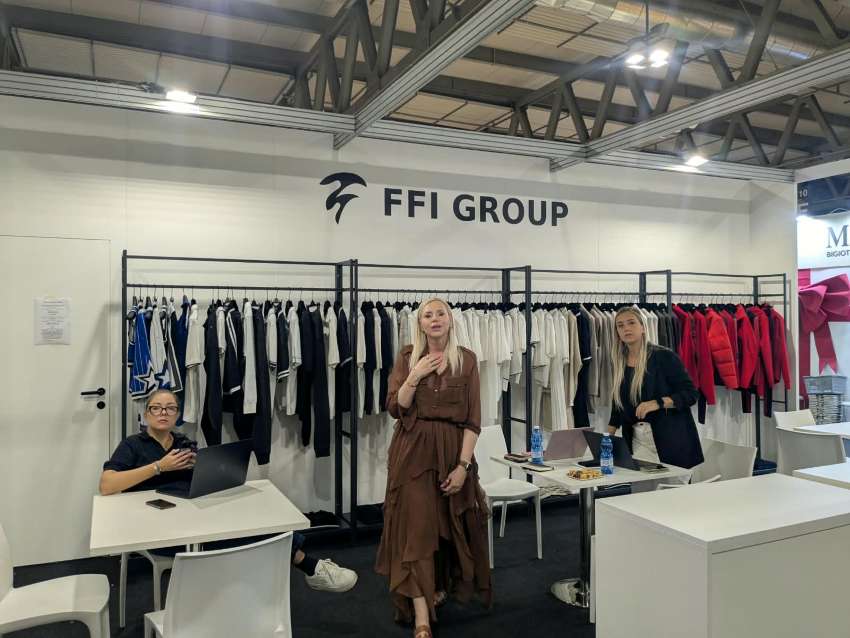
Automation Meets Italian Design: FFI Srl unveils ‘Next-Gen Robotics’ to help bra…
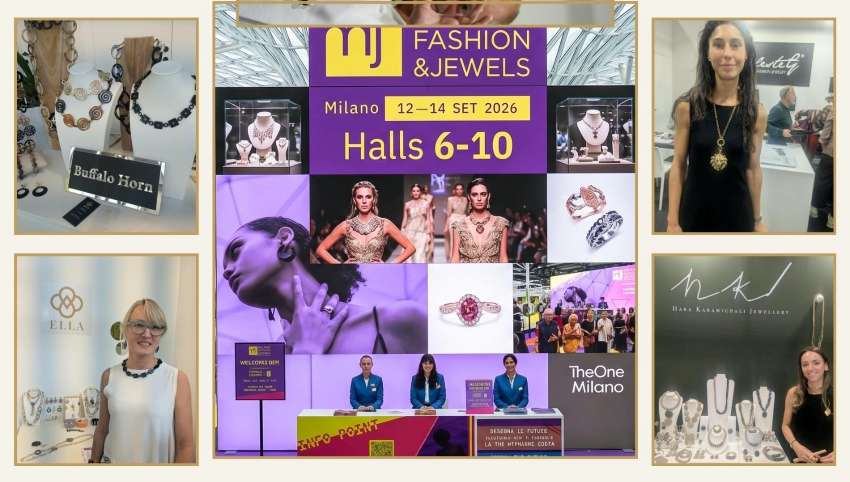
At the recently concluded autumn edition of Ready to Show inside Hall 10 at Fiera Milano-Rho—staged alongside the Milano Fashion... Read more
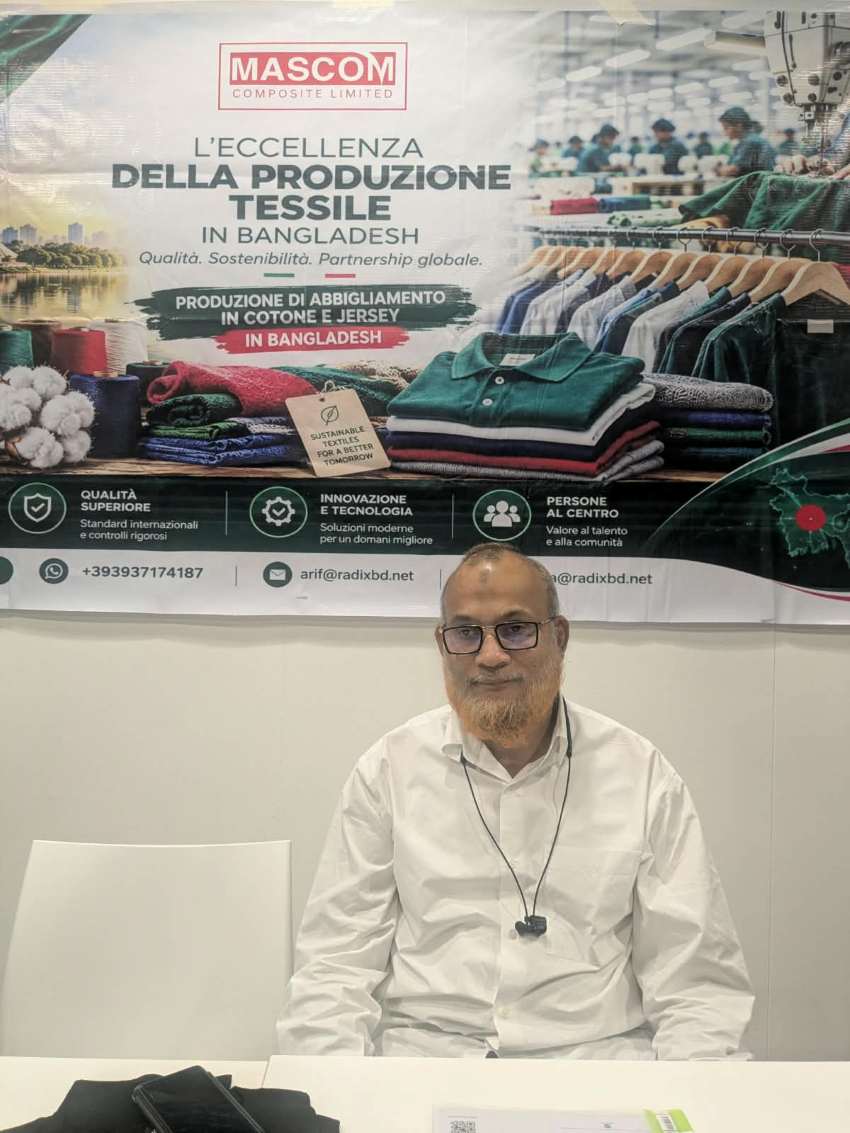
From Dhaka to Milan: Mascom Composite backs Southern Europe’s sports and lifesty…
While the trade floor of Ready to Show Milano inside Hall 10 at Fiera Milano-Rho placed a heavy spotlight on... Read more
How surging silver prices are reshaping ‘Mid-Tier’ fashion jewellery
Escalating global bullion volatility and raw material pricing pressures are forcing a fundamental reassessment across the mid-tier fashion jewellery trade.... Read more
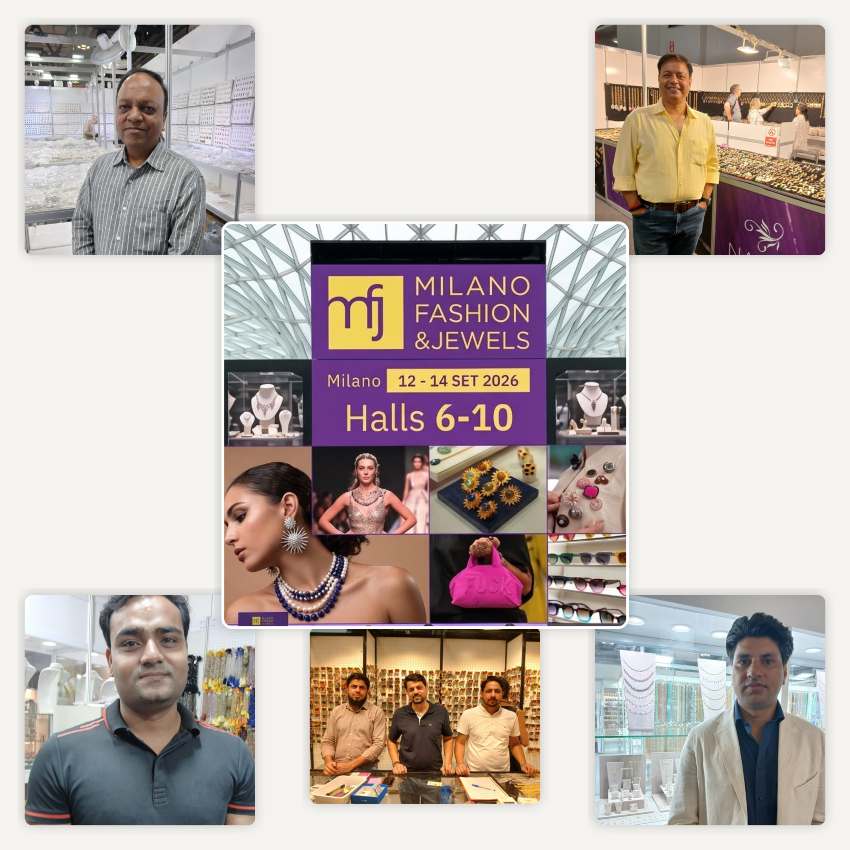
Milano Fashion & Jewels: How ‘Re-Engineered’ heritage crafts are driving hig…
A counter-movement against industrial uniformity is reshaping European bijouterie, transforming authentic craftsmanship into a powerful lever for high-margin boutique growth.... Read more
The "Total Look" Retail Revolution: The integration of jewellery, acce…
The conventional boundaries separating fashion jewellery, ready-to-wear and leather goods, have collapsed on the international retail floor. At the September... Read more
Why Rules of Origin could limit India’s FTA gains
India’s growing network of trade agreements promises lower tariffs and wider market access for its textile and apparel exporters. But... Read more
India-New Zealand FTA opens tariff-free route for textile exporters
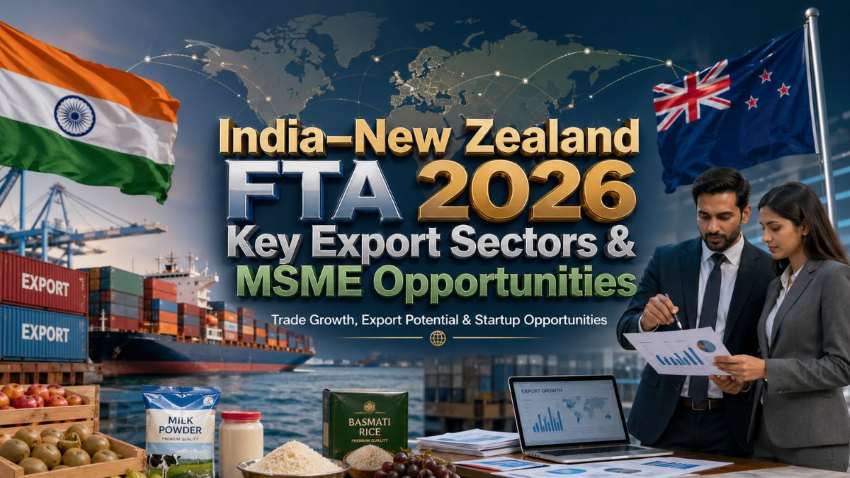
The India-New Zealand Free Trade Agreement (FTA), which comes into force on October 20, 2026, creates a new tariff-free corridor... Read more
Virgin polyester drives global fibre output to record 139 mn tonnes
Global textile fibre production reached a record 139 million tonnes in 2025, up 5.3 per cent from 132 million tonnes... Read more
Turkish apparel bets on ‘High-End Value’ at Ready to Show Milano
At the autumn session ( September 12-14, 2026) of Ready to Show inside Hall 10 of Fiera Milano-Rho, the Mediterranean... Read more