The Bangladesh Government has officially enacted the comprehensive Import Policy Order for 2026 through 2029, delivering crucial regulatory flexibility to domestic textile mills and ready-made garment manufacturers.
Under the revised framework, apparel exporters can now import up to fifteen product samples per design, an increase from the previous limit of ten, thereby accelerating prototype development and international buyer acquisition. Industry trade data indicates that while the policy maintains a strict thirty percent net value-addition requirement for woven and knit garments priced under $60 per dozen to protect local spinning mills, it streamlines overall customs clearance protocols to combat lingering supply chain bottlenecks.
Balancing competitiveness and local supply chains
The updated regulatory posture addresses fierce international competition and fluctuating raw material costs that have historically compressed operating margins across South Asian manufacturing hubs. Local textile associations note, while wider sourcing access allows factories to fulfill complex technical specifications demanded by European and American buyers more efficiently, it necessitates careful balancing against domestic fabric producers. This policy framework strikes a necessary balance between granting manufacturers the agility to source specialized yarns globally and safeguarding the foundational growth of our domestic backward-linkage industries, remarks Faruque Hassan, Senior Apparel Sector Analyst. Compliance adjustments and reduced bureaucratic friction are projected to enhance export throughput significantly heading into the upcoming fiscal quarters.
Framework of Bangladesh garment sector
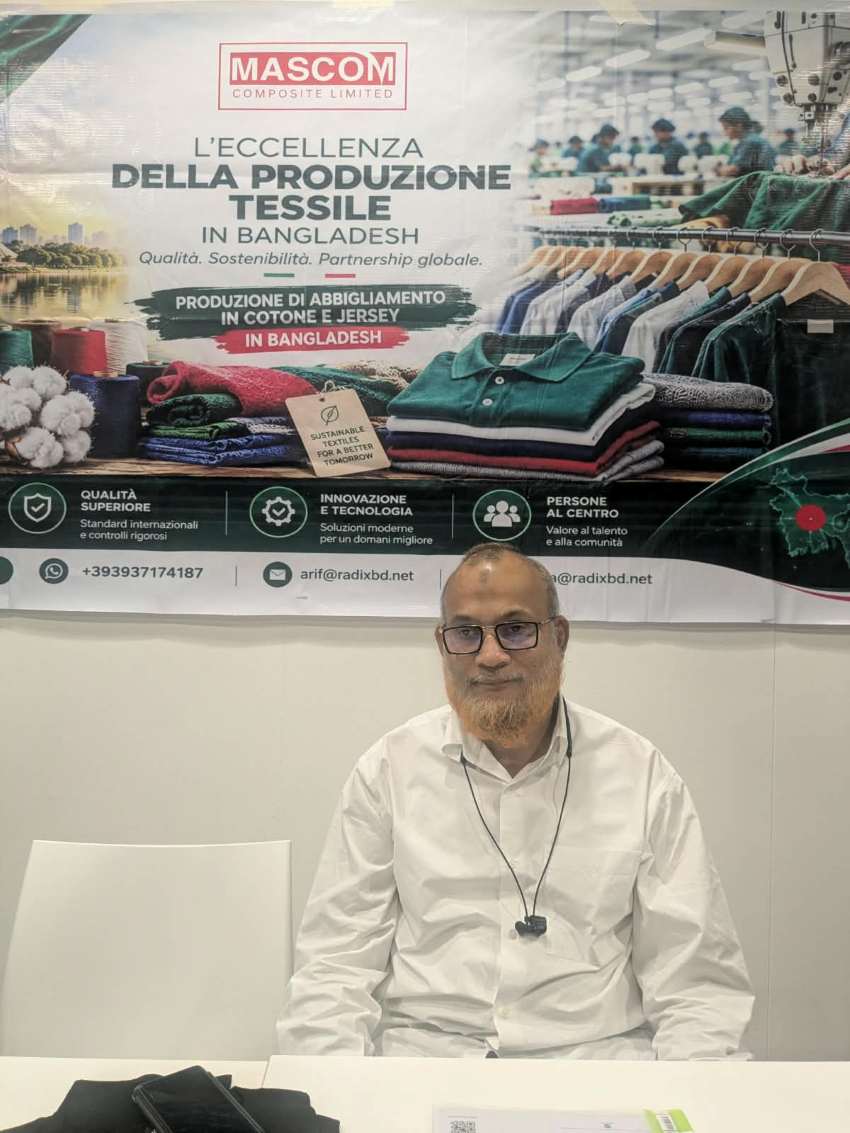
Bangladesh operates as the world's second-largest exporter of ready-made garments, anchoring its economy on mass-scale textile production. Targeting global markets across the European Union and North America, the sector pursues steady expansion through compliance upgrades, robust financial performance, and historical dominance in volume-driven apparel manufacturing.