The textile industry in Bangladesh says the fiscal targets set in the budget are unrealistic. It says the government hasn’t properly implemented the annual development program. It wants the government to withdraw the tax on education in private institutions.
The objectives of the budget appear to be high revenue growth targeted for underwriting overreaching expenditure, harmonisation of taxes and tariffs to support selected domestic sectors and higher allocations for building physical infrastructure and capacities.
However reform initiatives need to be given the highest priority if the current macroeconomic stability is to be translated into a journey of higher growth trajectory.Since projects remain behind schedule and get extended, no project other than the mega ones would be extended for more than two years.
To break the decade-long six per cent GDP growth barrier, the establishment of five independent commissions would be of great importance. The commissions are statistical validation, agriculture price, local government financing, public expenditure review and financial sector reform.
Private sector investment, which is the engine for growth, has not taken off the past few years due to insecurity, poor democracy and a lack of business-friendly environment. The continuous recapitalisation of state banks with taxpayers' money has been criticised as it sends out a wrong signal and encourages culprits to embezzle money again and again.

- 1
- 2
- 3
- 4
- 5
- 6
- 7
- 8
- 9
- 10
The "Total Look" Retail Revolution: The integration of jewellery, acce…
The conventional boundaries separating fashion jewellery, ready-to-wear and leather goods, have collapsed on the international retail floor. At the September... Read more
Why Rules of Origin could limit India’s FTA gains
India’s growing network of trade agreements promises lower tariffs and wider market access for its textile and apparel exporters. But... Read more
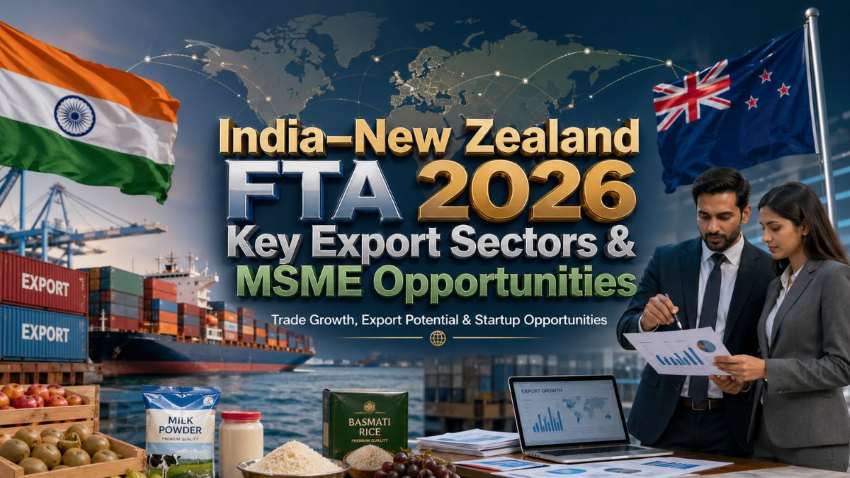
India-New Zealand FTA opens tariff-free route for textile exporters
The India-New Zealand Free Trade Agreement (FTA), which comes into force on October 20, 2026, creates a new tariff-free corridor... Read more
Virgin polyester drives global fibre output to record 139 mn tonnes
Global textile fibre production reached a record 139 million tonnes in 2025, up 5.3 per cent from 132 million tonnes... Read more
Turkish apparel bets on ‘High-End Value’ at Ready to Show Milano
At the autumn session ( September 12-14, 2026) of Ready to Show inside Hall 10 of Fiera Milano-Rho, the Mediterranean... Read more
Technical Knits and Athleisure drive sourcing at Ready to Show Milano
On the trade floor of Ready to Show inside Hall 10 at Fiera Milano-Rho, European apparel sourcing encountered its fastest-growing... Read more
From Dhaka to Milan: Mascom Composite backs Southern Europe’s sports and lifesty…
While the trade floor of Ready to Show Milano inside Hall 10 at Fiera Milano-Rho placed a heavy spotlight on... Read more
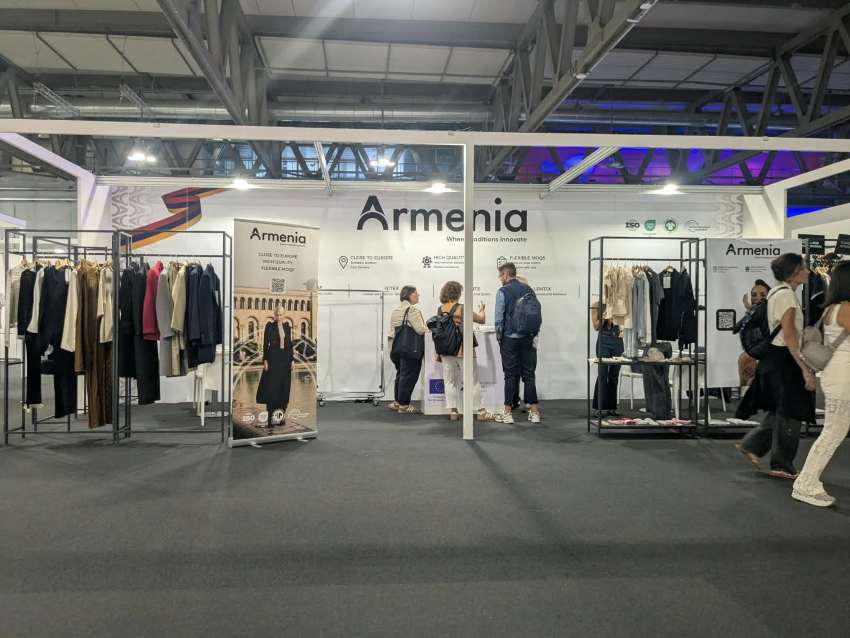
Armenia at Ready to Show Milano, bridges agility, circularity, and ‘Low-MOQs’ fo…
As European fashion brands and private labels navigate persistent supply chain bottlenecks, rising transport overheads, and tightening environmental mandates, an... Read more
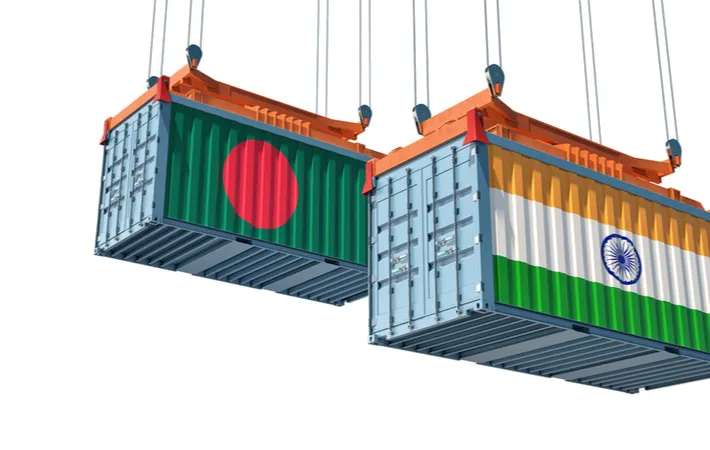
India-Bangladesh textile corridor shifts from trade to co-production
The Petrapole-Benapole corridor is evolving from a conventional trading route into an integrated production network, linking India’s upstream textile capacity... Read more
Gen Z’s anti-polyester push forces apparel brands to rethink margins
The apparel industry is facing an unusual reputational challenge: the growing association of polyester with low quality and excessive cost-cutting... Read more