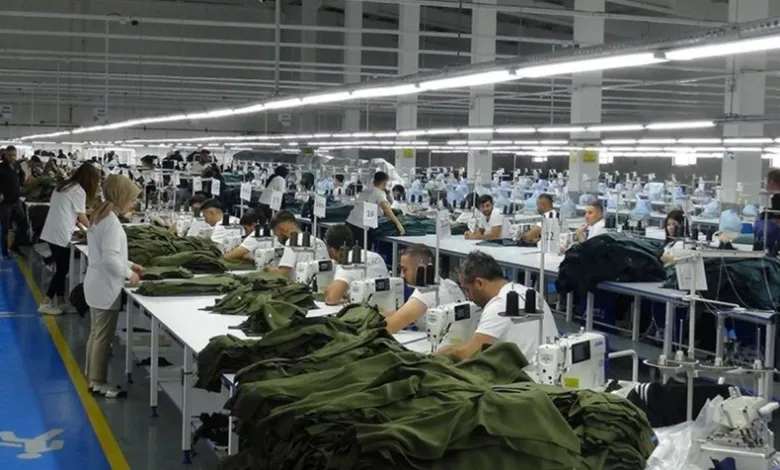

The Bangladesh Knitwear Manufacturers and Exporters Association (BKMEA) has formally requested the administration to establish a high-level ministerial committee to streamline governance across the nation's dominant textile and apparel sector. Led by Mohammad Hatem, President, the comprehensive proposal submitted to Prime Minister Tarique Rahman emphasizes the urgent need for synchronized decision-making among trade ministries, the National Board of Revenue, and manufacturing bodies. Industry leaders emphasize, fragmented regulations currently hinder production agility, delay raw material customs clearance for yarn and fabrics, and increase operating costs for export-oriented units. A centralized policy panel meeting quarterly would resolve regulatory bottlenecks rapidly and preserve the country's competitive standing against rising regional manufacturing hubs.
Securing energy infrastructure and operational compliance
Beyond administrative streamlining, the six-point reform agenda addresses critical operational vulnerabilities, particularly concerning uninterrupted power supplies and pragmatic workplace standards. Exporters have urged authorities to formulate a long-term integrated master plan for gas and electricity distribution to sustain continuous mill operations and encourage capital investments in textile processing. Furthermore, industry advocates are pushing for a contextualized Fair Code and amendments to the National Building Code that reflect local industrial realities rather than unadaptable foreign mandates. Policies must align with our ground reality and implementation capacity while granting reasonable transition timelines, noted Hatem, highlighting that bridging infrastructure gaps is vital for securing long-term orders from multinational apparel retailers.
Primary trade body for garment sector
The Bangladesh Knitwear Manufacturers and Exporters Association represents domestic knitwear manufacturers and exporters, serving as a primary trade body for the nation's garment sector. Key member categories focus on cotton, synthetic yarn processing, and finished knit apparel. Growth plans target enhanced export volume and regulatory modernization. The organization demonstrates robust economic performance by championing multibillion-dollar foreign exchange earnings. Established to organize local textile producers, BKMEA historically acts as a critical bridge between factory owners and state policymakers.