China is certainly doing a lot in Cambodia, becoming the country’s largest aid donor and source of foreign investment. Between 1994 and 2013, Chinese investment in Cambodia was about US$10 billion, focused mainly on agriculture, mining, infrastructure projects, hydro-power dams and garment production. Since 1992, China has also provided around US$3 billion in concessional loans and grants to Cambodia. This gesture has garnered appreciation from Cambodia’s government.
Excessive dependence on China has also placed Cambodian foreign policy firmly under China’s influence. During a meeting between Chinese and ASEAN ministers over the South China Sea in June 2016, Cambodia joined two other ASEAN nations in refusing to endorse a joint statement criticising China for its construction of military installations in contentious areas in the South China Sea.
Because of China’s influence, Cambodia is reluctant to strongly criticise or protest environmental issues resulting from Chinese policies. Chinese dam building on the upper Mekong River is being tolerated despite potential environmental devastation affecting millions of Cambodians who depend on this water for drinking, irrigation, fishing and sediments that naturally fertilise the land — in short for their food, water, sanitation and, in many instances, their income.
However, the key strategic interest for Cambodia is that its engagement with donors can both deliver infrastructure and the protect human rights and the rule of law. Both Western and Chinese approaches have their benefits. Cambodia’s task is to balance the benefits and obligations of both.

- 1
- 2
- 3
- 4
- 5
- 6
- 7
- 8
- 9
- 10
Polyethylene stretch yarn challenges elastane’s hold on activewear
The global activewear, denim and intimate apparel markets have built a substantial business around stretch. But the same fibre combinations... Read more
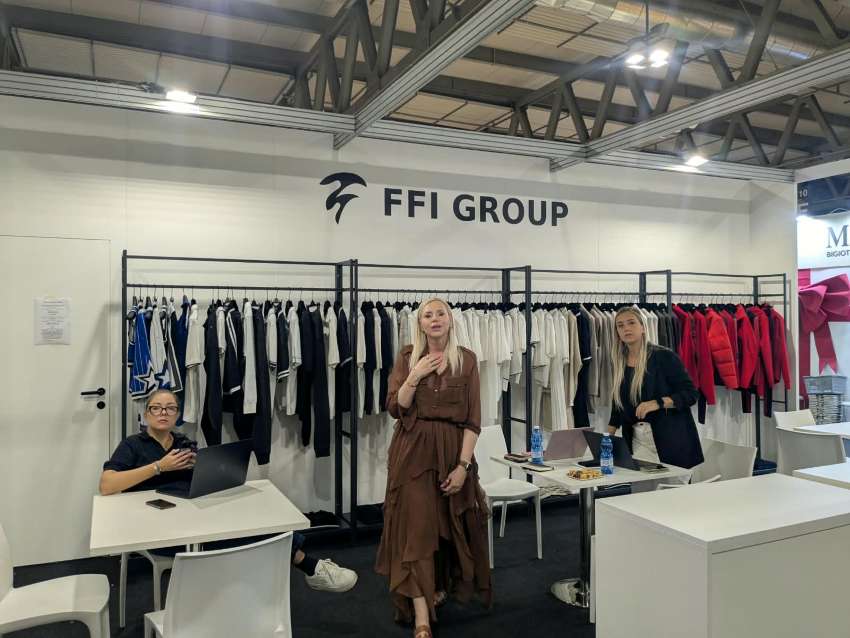
Automation Meets Italian Design: FFI Srl unveils ‘Next-Gen Robotics’ to help bra…
At the recently concluded autumn edition of Ready to Show inside Hall 10 at Fiera Milano-Rho—staged alongside the Milano Fashion... Read more
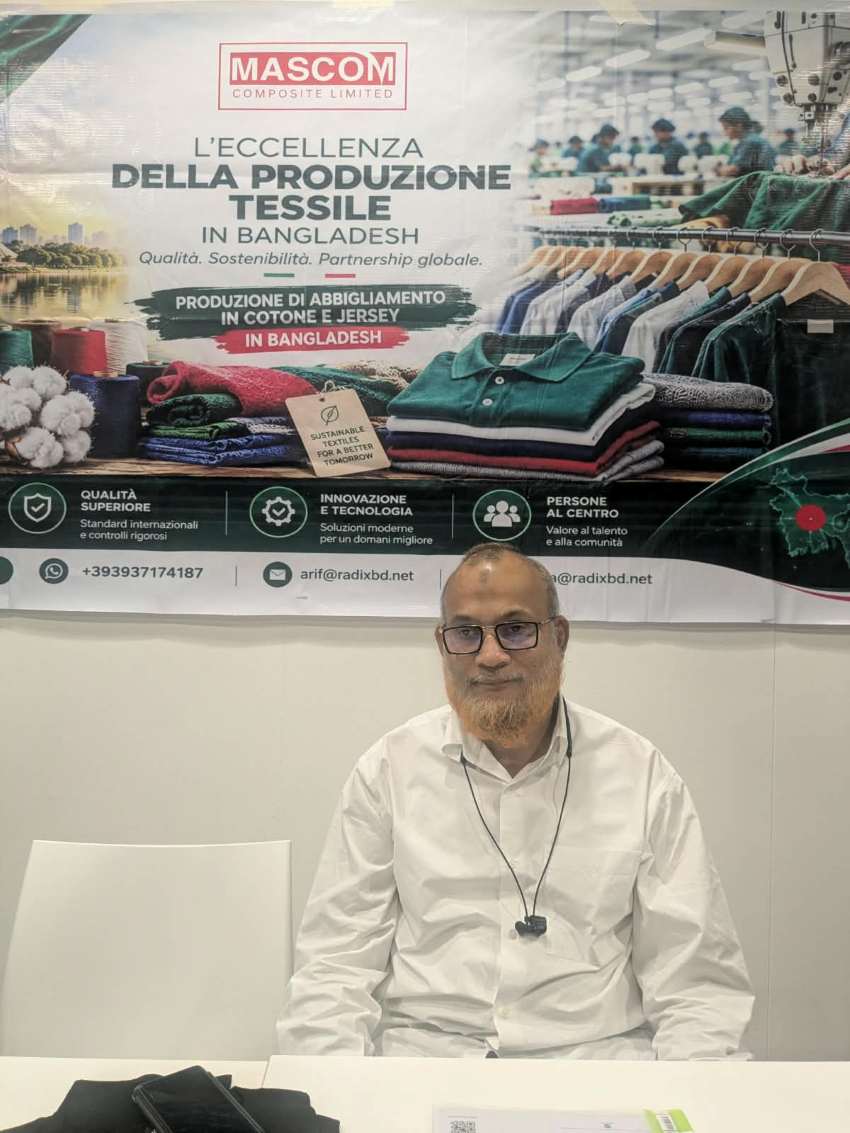
From Dhaka to Milan: Mascom Composite backs Southern Europe’s sports and lifesty…
While the trade floor of Ready to Show Milano inside Hall 10 at Fiera Milano-Rho placed a heavy spotlight on... Read more
How surging silver prices are reshaping ‘Mid-Tier’ fashion jewellery
Escalating global bullion volatility and raw material pricing pressures are forcing a fundamental reassessment across the mid-tier fashion jewellery trade.... Read more
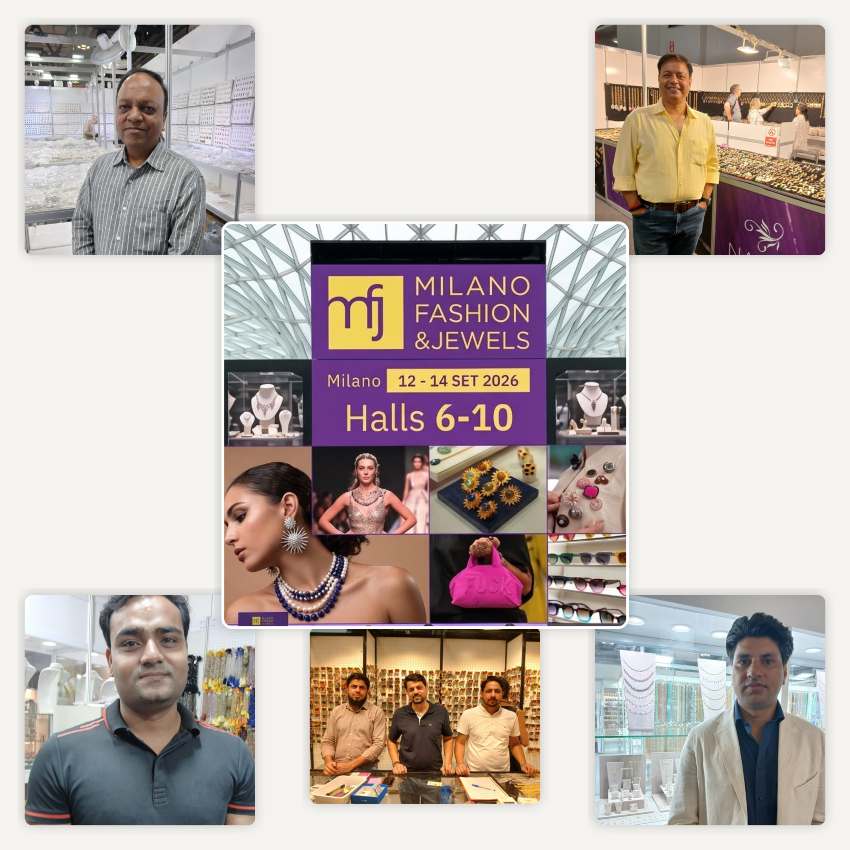
Milano Fashion & Jewels: How ‘Re-Engineered’ heritage crafts are driving hig…
A counter-movement against industrial uniformity is reshaping European bijouterie, transforming authentic craftsmanship into a powerful lever for high-margin boutique growth.... Read more
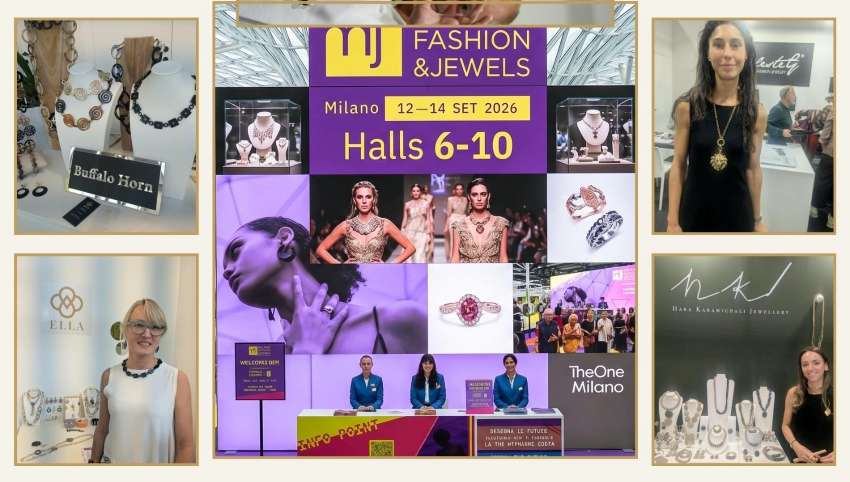
The "Total Look" Retail Revolution: The integration of jewellery, acce…
The conventional boundaries separating fashion jewellery, ready-to-wear and leather goods, have collapsed on the international retail floor. At the September... Read more
Why Rules of Origin could limit India’s FTA gains
India’s growing network of trade agreements promises lower tariffs and wider market access for its textile and apparel exporters. But... Read more
India-New Zealand FTA opens tariff-free route for textile exporters
The India-New Zealand Free Trade Agreement (FTA), which comes into force on October 20, 2026, creates a new tariff-free corridor... Read more
Virgin polyester drives global fibre output to record 139 mn tonnes
Global textile fibre production reached a record 139 million tonnes in 2025, up 5.3 per cent from 132 million tonnes... Read more
Turkish apparel bets on ‘High-End Value’ at Ready to Show Milano
At the autumn session ( September 12-14, 2026) of Ready to Show inside Hall 10 of Fiera Milano-Rho, the Mediterranean... Read more