Pakistan's yarn merchants want a better deal. They say unless economic conditions improve, overall business stability, exports and industrial progress will remain elusive. China’s reversal of cotton policy has hit Pakistan’s yarn production and export. Cotton yarn production also started falling in the country, reflecting the slowing down of demand from China.
Import of cheaper yarn from India at zero tariff lowered the demand for domestic cotton yarn and kept market prices down. This again hit production. More than 75 per cent of the textile industry is engaged in yarn making. Much of Pakistan’s cotton yarn goes to domestic production of socks, towels and home textile products. Other yarn buyers are velvet, carpet, tent, canvas, blanket, sewing thread and embroidery thread manufacturing units.
The government has no clear-cut policy on yarn exports. Exporting cotton and cotton yarn at less than international prices creates a shortage of raw material for the local industry. A simple solution would be to address the grievances of cotton growers in the country as that will ensure a bumper crop.
Improved quality of raw cotton will not only reduce the cost of production and waste production but will enable spinners to produce cotton yarn of higher counts to fetch more foreign exchange.

- 1
- 2
- 3
- 4
- 5
- 6
- 7
- 8
- 9
- 10
Polyethylene stretch yarn challenges elastane’s hold on activewear
The global activewear, denim and intimate apparel markets have built a substantial business around stretch. But the same fibre combinations... Read more
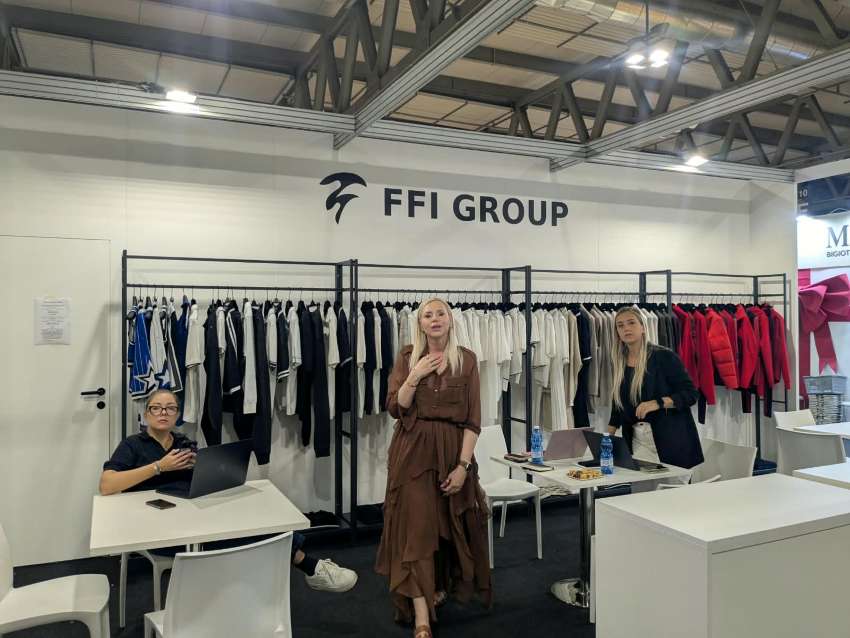
Automation Meets Italian Design: FFI Srl unveils ‘Next-Gen Robotics’ to help bra…
At the recently concluded autumn edition of Ready to Show inside Hall 10 at Fiera Milano-Rho—staged alongside the Milano Fashion... Read more
From Dhaka to Milan: Mascom Composite backs Southern Europe’s sports and lifesty…
While the trade floor of Ready to Show Milano inside Hall 10 at Fiera Milano-Rho placed a heavy spotlight on... Read more
How surging silver prices are reshaping ‘Mid-Tier’ fashion jewellery
Escalating global bullion volatility and raw material pricing pressures are forcing a fundamental reassessment across the mid-tier fashion jewellery trade.... Read more
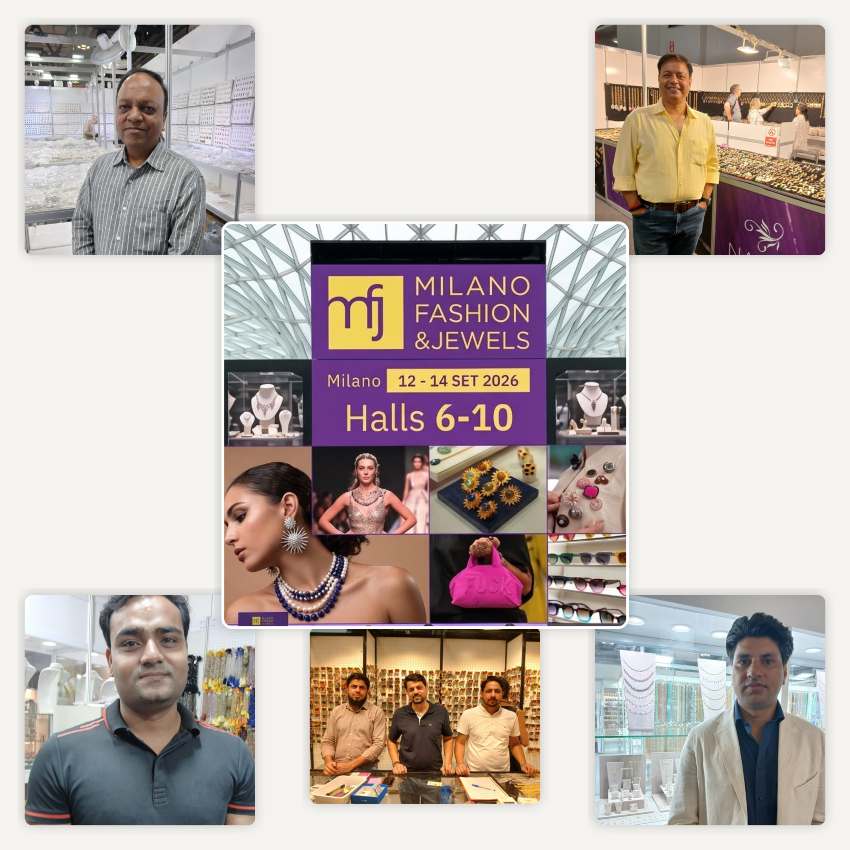
Milano Fashion & Jewels: How ‘Re-Engineered’ heritage crafts are driving hig…
A counter-movement against industrial uniformity is reshaping European bijouterie, transforming authentic craftsmanship into a powerful lever for high-margin boutique growth.... Read more
The "Total Look" Retail Revolution: The integration of jewellery, acce…
The conventional boundaries separating fashion jewellery, ready-to-wear and leather goods, have collapsed on the international retail floor. At the September... Read more
Why Rules of Origin could limit India’s FTA gains
India’s growing network of trade agreements promises lower tariffs and wider market access for its textile and apparel exporters. But... Read more
India-New Zealand FTA opens tariff-free route for textile exporters
The India-New Zealand Free Trade Agreement (FTA), which comes into force on October 20, 2026, creates a new tariff-free corridor... Read more
Virgin polyester drives global fibre output to record 139 mn tonnes
Global textile fibre production reached a record 139 million tonnes in 2025, up 5.3 per cent from 132 million tonnes... Read more
Turkish apparel bets on ‘High-End Value’ at Ready to Show Milano
At the autumn session ( September 12-14, 2026) of Ready to Show inside Hall 10 of Fiera Milano-Rho, the Mediterranean... Read more