China's 13th five-year plan for the textile industry will focus on five areas: upgrading of textile chain, internationalization, domestic regional transfer, eco-friendly sustainable development and talent cultivation. During the plan period (2016-2020), the technical textiles sector will grow rapidly and e-commerce will reconstruct the commercial chain of textile industry. Therefore, it is necessary for the textile industry to enhance technological innovation, improve IT transformation of textile industry, promote the position of textile products in the textile value-added chain and put stress on developing fashionable and creative textile industry.
China’s textile industry is under the dual pressure of developed economies’ re-industrialization on the one hand and improved competitive advantages of Southeast and South Asian economies. The Chinese textile industry wants to re-establish internationally competitive advantages, introduce its own brands to the world, encourage enterprises to integrate value-added chains worldwide and optimize the structure of textile exports.
In addition, the plan also includes improving sustainable development, energy-saving and emission reduction, allocation of industrial parks, establishing a waste fiber and textile product recycling system and the construction of a talent team that can cope with the transformed and upgraded textile industry. A central theme is to develop the textile and apparel industry by moving it to western and central China.

- 1
- 2
- 3
- 4
- 5
- 6
- 7
- 8
- 9
- 10
The "Total Look" Retail Revolution: The integration of jewellery, acce…
The conventional boundaries separating fashion jewellery, ready-to-wear and leather goods, have collapsed on the international retail floor. At the September... Read more
Why Rules of Origin could limit India’s FTA gains
India’s growing network of trade agreements promises lower tariffs and wider market access for its textile and apparel exporters. But... Read more
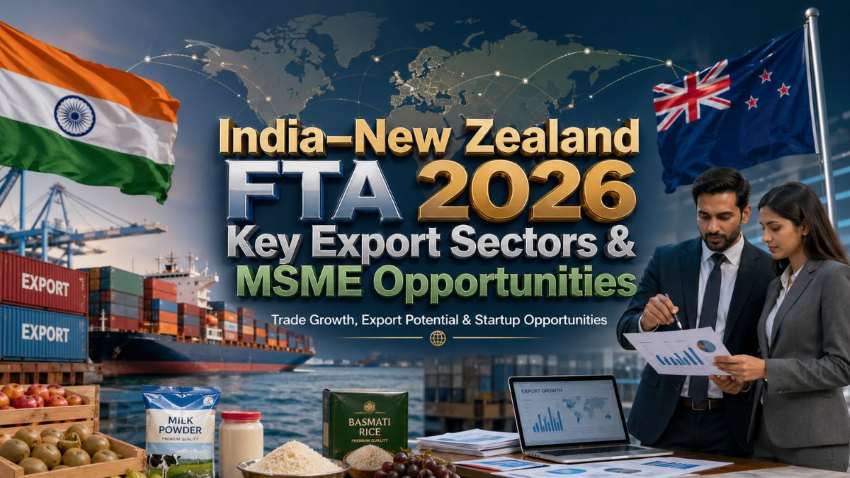
India-New Zealand FTA opens tariff-free route for textile exporters
The India-New Zealand Free Trade Agreement (FTA), which comes into force on October 20, 2026, creates a new tariff-free corridor... Read more
Virgin polyester drives global fibre output to record 139 mn tonnes
Global textile fibre production reached a record 139 million tonnes in 2025, up 5.3 per cent from 132 million tonnes... Read more
Turkish apparel bets on ‘High-End Value’ at Ready to Show Milano
At the autumn session ( September 12-14, 2026) of Ready to Show inside Hall 10 of Fiera Milano-Rho, the Mediterranean... Read more
Technical Knits and Athleisure drive sourcing at Ready to Show Milano
On the trade floor of Ready to Show inside Hall 10 at Fiera Milano-Rho, European apparel sourcing encountered its fastest-growing... Read more
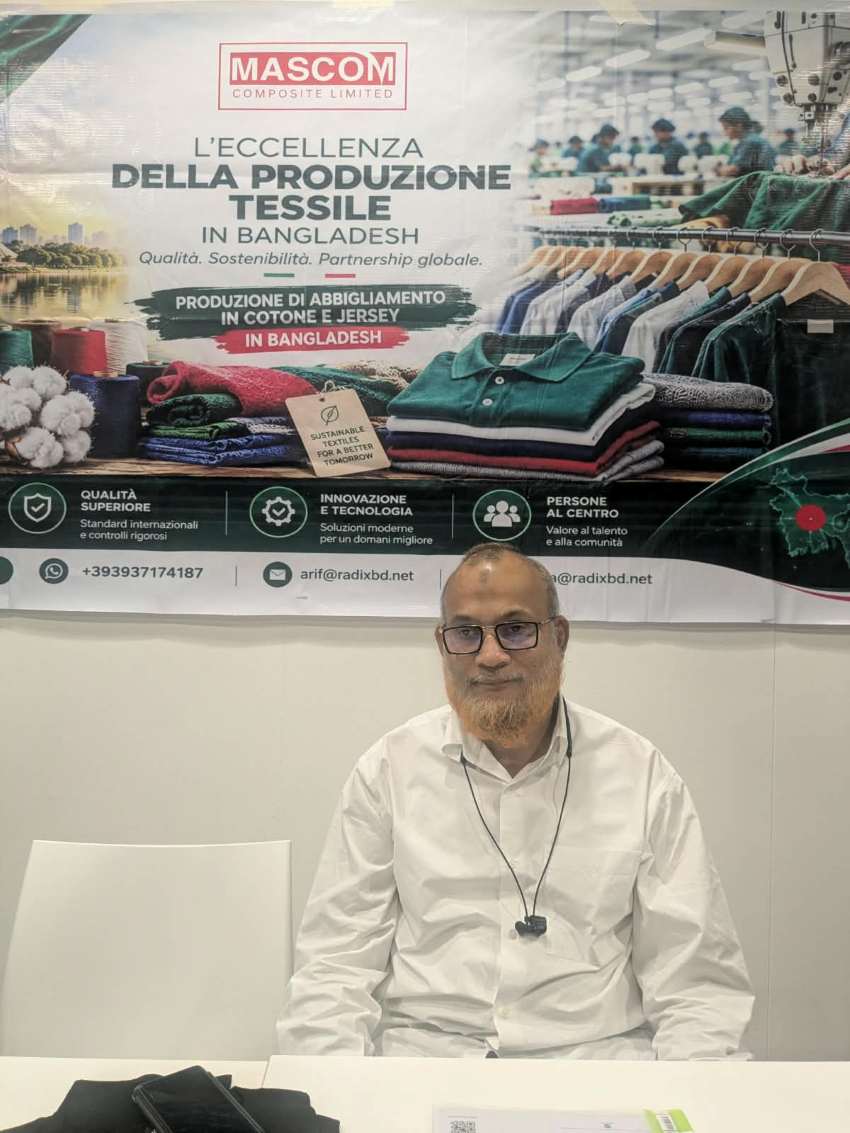
From Dhaka to Milan: Mascom Composite backs Southern Europe’s sports and lifesty…
While the trade floor of Ready to Show Milano inside Hall 10 at Fiera Milano-Rho placed a heavy spotlight on... Read more
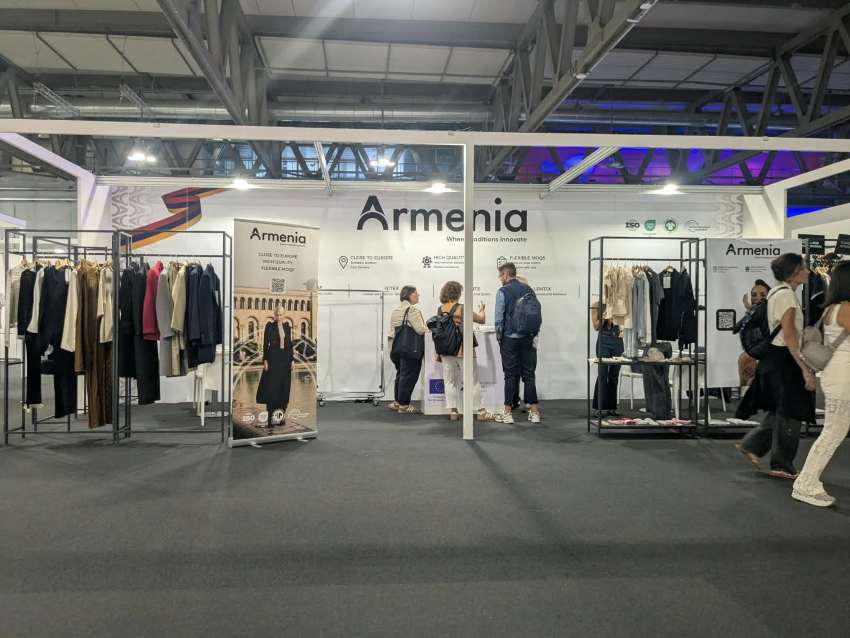
Armenia at Ready to Show Milano, bridges agility, circularity, and ‘Low-MOQs’ fo…
As European fashion brands and private labels navigate persistent supply chain bottlenecks, rising transport overheads, and tightening environmental mandates, an... Read more
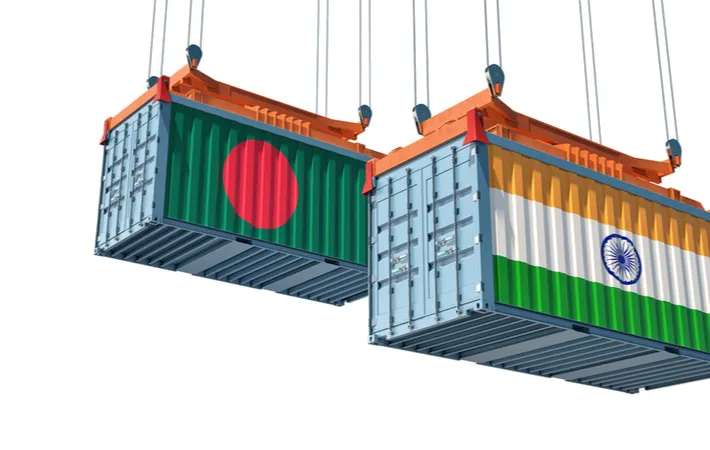
India-Bangladesh textile corridor shifts from trade to co-production
The Petrapole-Benapole corridor is evolving from a conventional trading route into an integrated production network, linking India’s upstream textile capacity... Read more
Gen Z’s anti-polyester push forces apparel brands to rethink margins
The apparel industry is facing an unusual reputational challenge: the growing association of polyester with low quality and excessive cost-cutting... Read more