In a recent finding, compliance service provider AsiaInspection (AI) says that factory inspection results in Bangladesh improved gradually in 2014 as brands pushed for higher standards. The Acceptable Quality Level (AQL) inspection results in the country had improved through the year. It is likely due to the enormous pressure being applied on brands to demonstrate ethically compliant supply chains in Bangladesh following causing buyers to be more careful about selecting suppliers and push them to improve standards, AI said in its 2015 Q1 Barometer report.
Meanwhile, 5.6 per cent of ethical audits in Asia failed on child labour grounds, a slight increase, the company said. AI auditors continue to discover child labourers in factories. Tackling the issue is not easy for brands and retailers in supply chains that are increasingly complex and fragmented, but action can be taken to safeguard these children’s childhoods, said AI CEO Sebastien Breteau.
The main reason for failing ethical audits was health and safety, with India the worst offender, behind Bangladesh and China. Working hours and compensation was the second most common cause of failure, AI said. Changes in global manufacturing cost-competitiveness were likely to prompt buyers to target countries like Mexico in 2015, taking advantage of lower costs and proximity to markets, the company has said. The erosion of China’s estimated cost advantage would also give a potential boost to Asian rivals such as India and Indonesia.

- 1
- 2
- 3
- 4
- 5
- 6
- 7
- 8
- 9
- 10
Polyethylene stretch yarn challenges elastane’s hold on activewear
The global activewear, denim and intimate apparel markets have built a substantial business around stretch. But the same fibre combinations... Read more
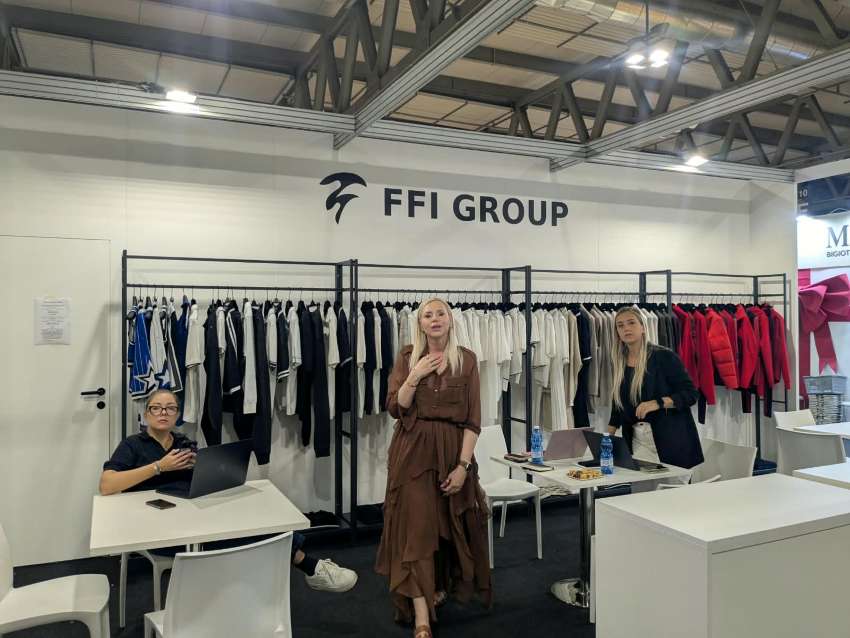
Automation Meets Italian Design: FFI Srl unveils ‘Next-Gen Robotics’ to help bra…
At the recently concluded autumn edition of Ready to Show inside Hall 10 at Fiera Milano-Rho—staged alongside the Milano Fashion... Read more
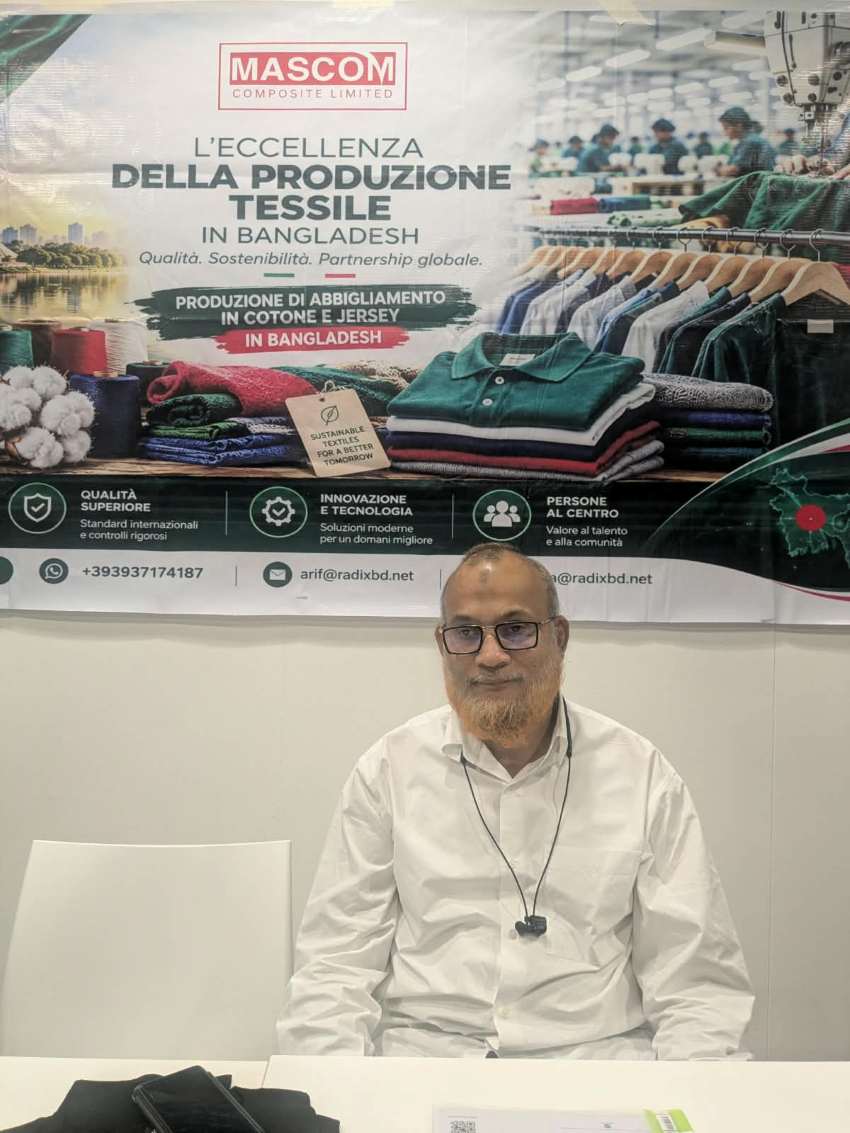
From Dhaka to Milan: Mascom Composite backs Southern Europe’s sports and lifesty…
While the trade floor of Ready to Show Milano inside Hall 10 at Fiera Milano-Rho placed a heavy spotlight on... Read more
How surging silver prices are reshaping ‘Mid-Tier’ fashion jewellery
Escalating global bullion volatility and raw material pricing pressures are forcing a fundamental reassessment across the mid-tier fashion jewellery trade.... Read more
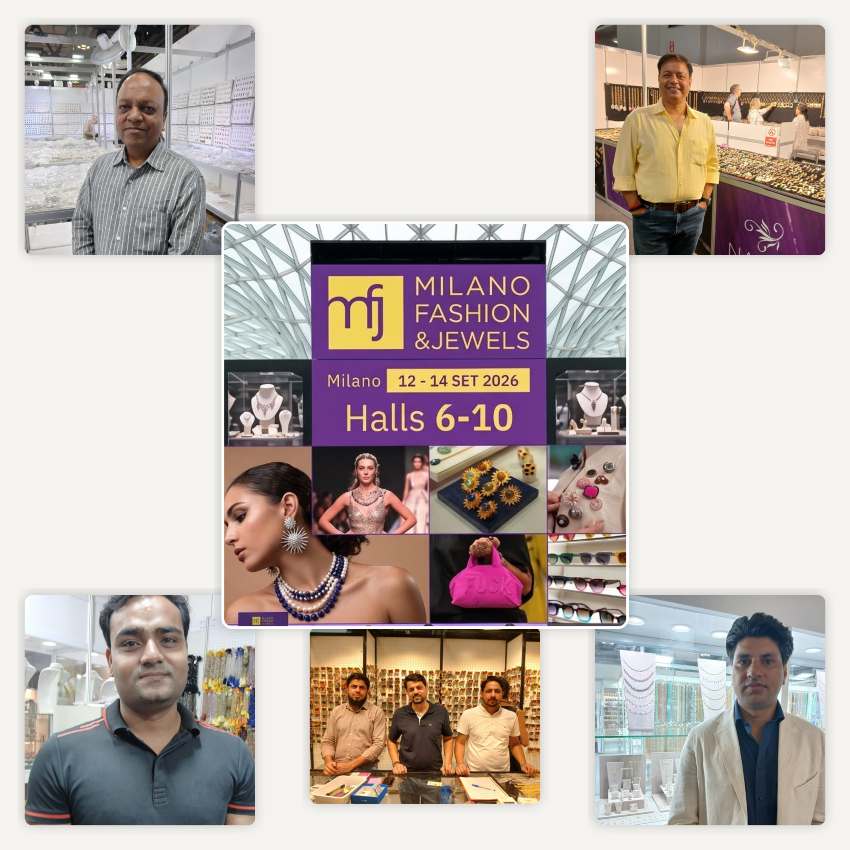
Milano Fashion & Jewels: How ‘Re-Engineered’ heritage crafts are driving hig…
A counter-movement against industrial uniformity is reshaping European bijouterie, transforming authentic craftsmanship into a powerful lever for high-margin boutique growth.... Read more
The "Total Look" Retail Revolution: The integration of jewellery, acce…
The conventional boundaries separating fashion jewellery, ready-to-wear and leather goods, have collapsed on the international retail floor. At the September... Read more
Why Rules of Origin could limit India’s FTA gains
India’s growing network of trade agreements promises lower tariffs and wider market access for its textile and apparel exporters. But... Read more
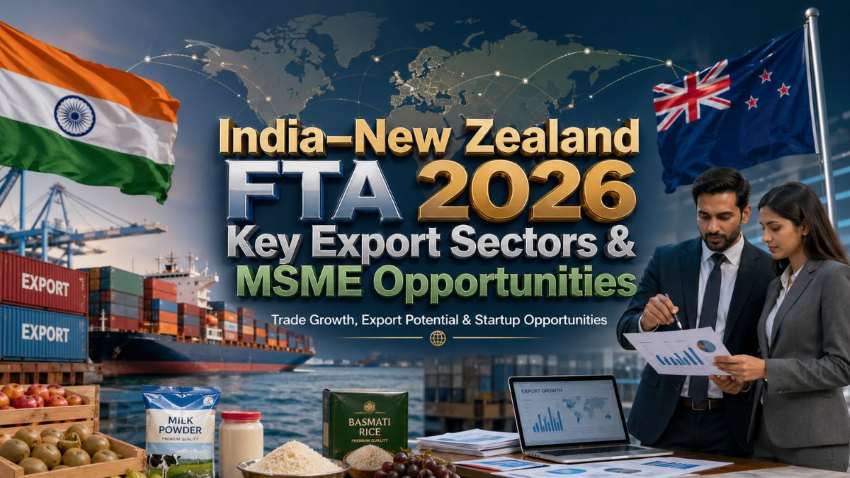
India-New Zealand FTA opens tariff-free route for textile exporters
The India-New Zealand Free Trade Agreement (FTA), which comes into force on October 20, 2026, creates a new tariff-free corridor... Read more
Virgin polyester drives global fibre output to record 139 mn tonnes
Global textile fibre production reached a record 139 million tonnes in 2025, up 5.3 per cent from 132 million tonnes... Read more
Turkish apparel bets on ‘High-End Value’ at Ready to Show Milano
At the autumn session ( September 12-14, 2026) of Ready to Show inside Hall 10 of Fiera Milano-Rho, the Mediterranean... Read more