Sunil Sethi, Chairman, Fashion Design Council of India has commended Prime Minister Narendra Modi for championing indigenous Indian fabrics on international diplomatic platforms. Speaking on the intrinsic aesthetic value of traditional handlooms, Sethi noted how state gifting practices and proactive trade promotion have successfully elevated domestic textile heritage into a powerful instrument of global cultural diplomacy.
Expanding global retail footprint
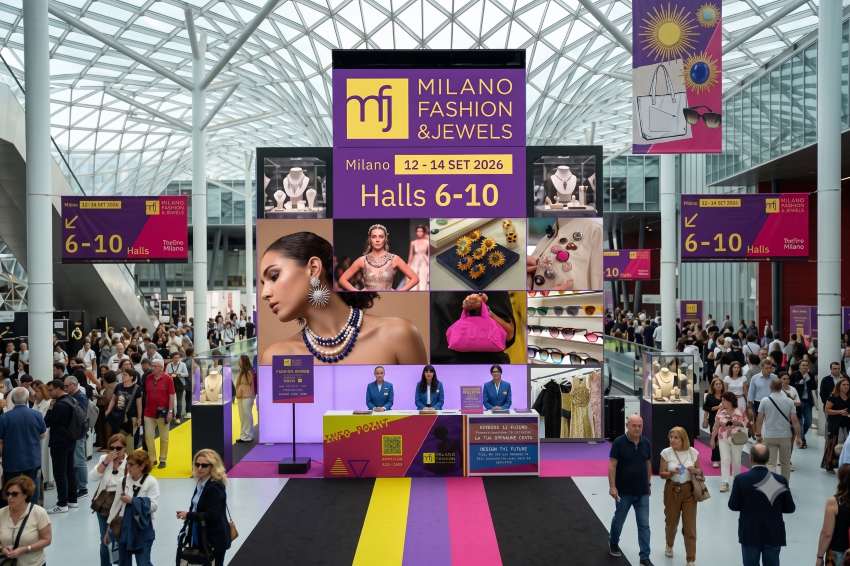
The strategic push for homegrown apparel is translating into high-impact international showcases, extending far beyond traditional diaspora markets. Recent high-profile events, including a houseful showcase by Indian designers in Auckland and prominent features at Moscow Fashion Week, demonstrate that international consumers increasingly recognize Indian craftsmanship for its contemporary relevance rather than viewing it merely as an alternative sourcing destination.
Institutionalizing sustainable luxury
Core heritage fabrics like Khadi are undergoing a commercial renaissance, driven by coordinated institutional backing and modern tailoring adaptations. By securing endorsements from international dignitaries and fostering cross-border design collaborations in regions like Europe and Bhutan, the domestic textile sector is systematically reinforcing its economic resilience, expanding artisan livelihoods, and solidifying India's position as a premier global sourcing and luxury design hub
Focusing on domestic handloom preservation
The Fashion Design Council of India operates as the apex apex organization representing the country's premier fashion designers, textile manufacturers, and retail enterprises. Focusing heavily on domestic handloom preservation, global trade facilitation, and high-end couture growth, the non-profit institution sustains robust operational performance through strategic ministry partnerships and international fashion week showcases.