Per unit price is the main criterion for 78 per cent of fashion brand buyers. Only 42 per cent brands consider working conditions at contractors’ factories into consideration in selecting manufacturers. This attitude is driven by consumer demands for cheap clothing that is currently in style and delivered quickly. Seeking the lowest possible prices, demanding ever-shorter production times, frequently changing orders and delaying payments on completed work are among fashion brands’ actions that undermine efforts to create safe working conditions and protect the rights of workers, says a study by Human Rights Watch.
The drive for ever-lower production costs and ever-increasing speed inevitably results in negative consequences that fall in the laps of employees. Brand approaches to sourcing and purchasing are not merely a threat to a factory’s financial bottom line. They incentivize suppliers to engage in abusive labor practices and in risky contracting with unauthorized suppliers as a way of cutting costs.
Manufacturers scramble to meet deadlines, often at the cost of employees’ rights and working conditions. Detailed, written manufacturing contracts are not an industry norm. Where they do exist, they are often one-sided; many brands assume no written responsibility for delays or other mistakes made by them. In some cases, unscrupulous brands unfairly charge discounts and penalties to suppliers as a way of cutting their own costs.

- 1
- 2
- 3
- 4
- 5
- 6
- 7
- 8
- 9
- 10
Polyethylene stretch yarn challenges elastane’s hold on activewear
The global activewear, denim and intimate apparel markets have built a substantial business around stretch. But the same fibre combinations... Read more
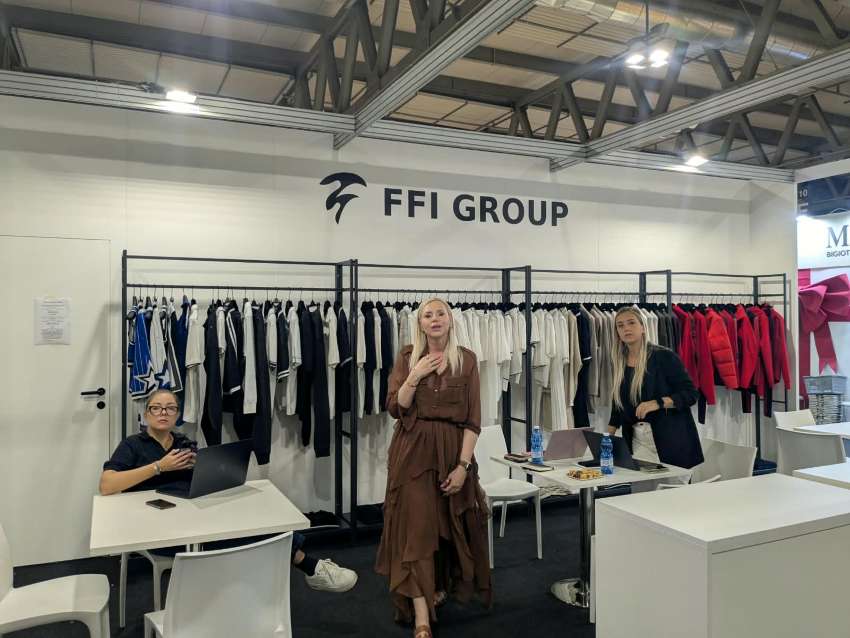
Automation Meets Italian Design: FFI Srl unveils ‘Next-Gen Robotics’ to help bra…
At the recently concluded autumn edition of Ready to Show inside Hall 10 at Fiera Milano-Rho—staged alongside the Milano Fashion... Read more
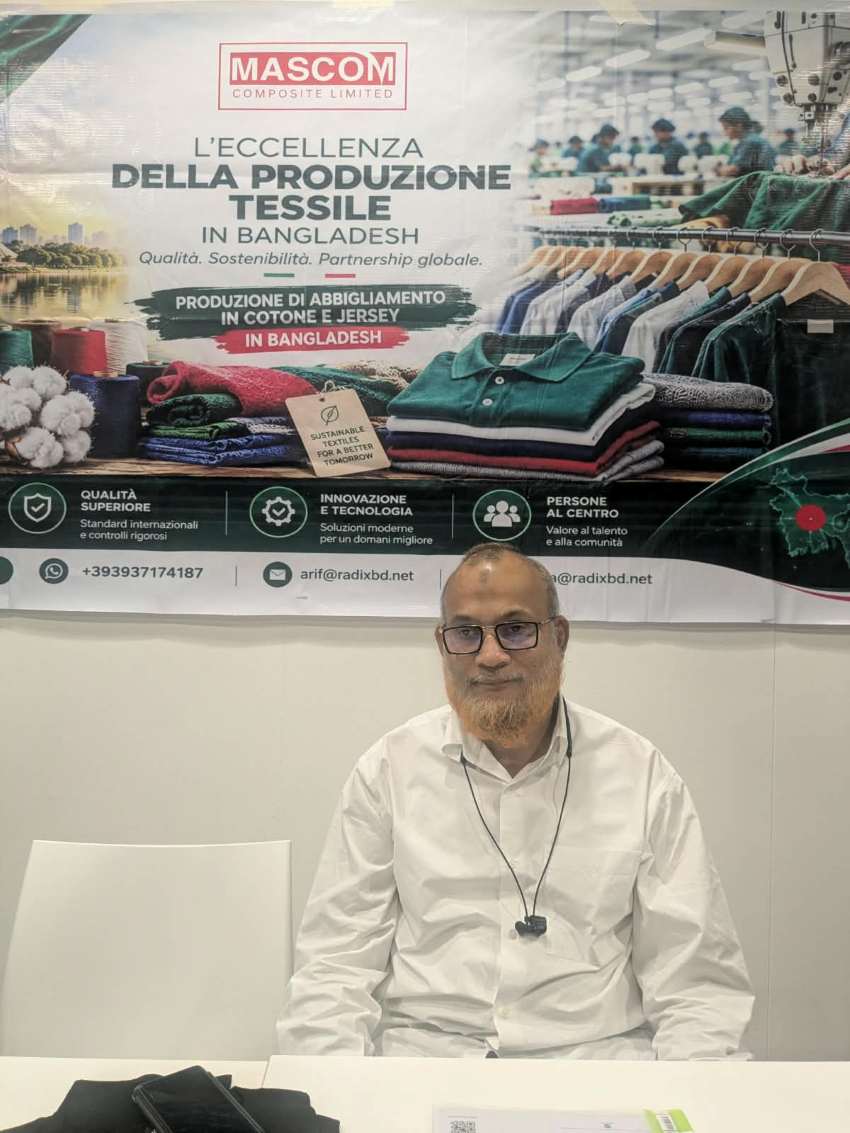
From Dhaka to Milan: Mascom Composite backs Southern Europe’s sports and lifesty…
While the trade floor of Ready to Show Milano inside Hall 10 at Fiera Milano-Rho placed a heavy spotlight on... Read more
How surging silver prices are reshaping ‘Mid-Tier’ fashion jewellery
Escalating global bullion volatility and raw material pricing pressures are forcing a fundamental reassessment across the mid-tier fashion jewellery trade.... Read more
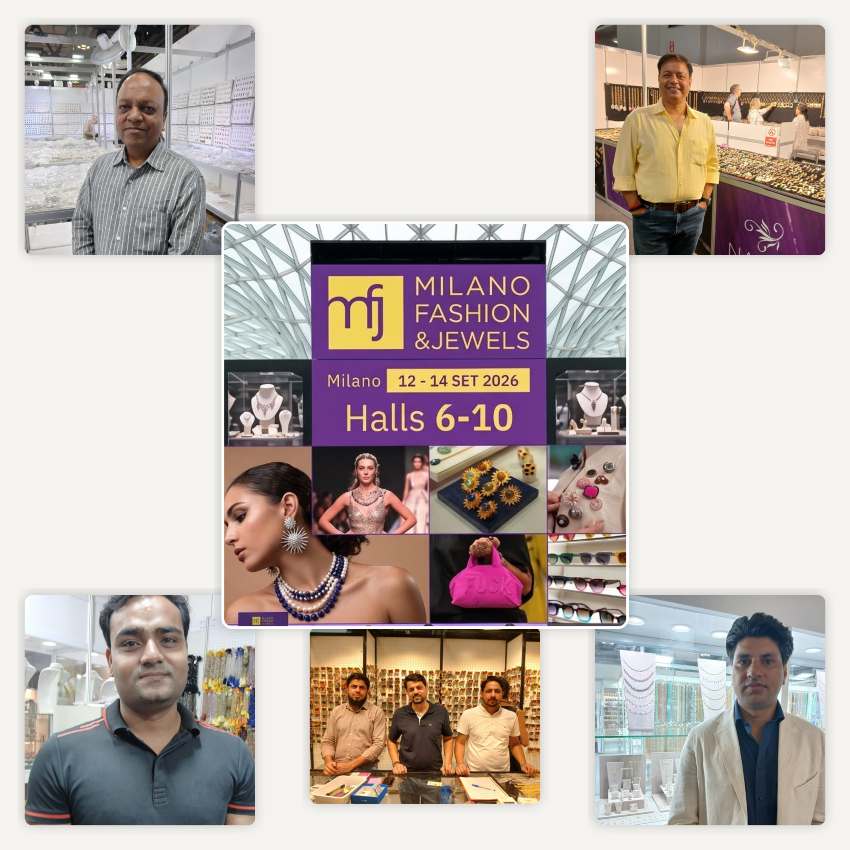
Milano Fashion & Jewels: How ‘Re-Engineered’ heritage crafts are driving hig…
A counter-movement against industrial uniformity is reshaping European bijouterie, transforming authentic craftsmanship into a powerful lever for high-margin boutique growth.... Read more
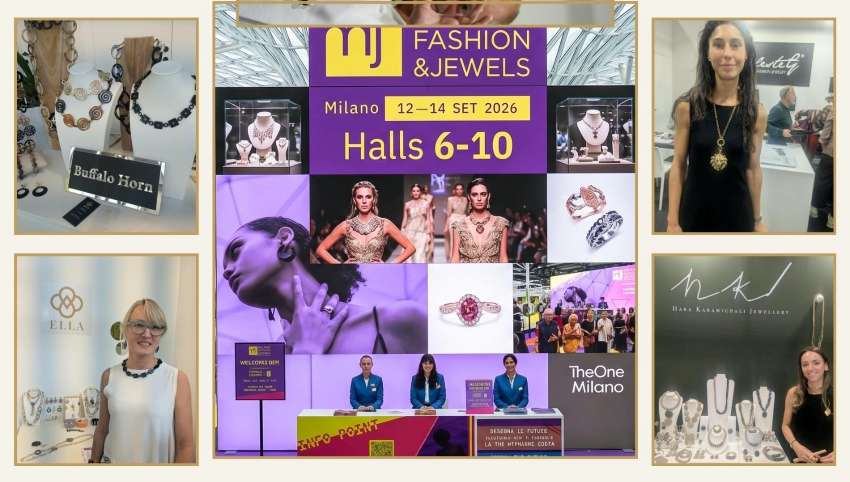
The "Total Look" Retail Revolution: The integration of jewellery, acce…
The conventional boundaries separating fashion jewellery, ready-to-wear and leather goods, have collapsed on the international retail floor. At the September... Read more
Why Rules of Origin could limit India’s FTA gains
India’s growing network of trade agreements promises lower tariffs and wider market access for its textile and apparel exporters. But... Read more
India-New Zealand FTA opens tariff-free route for textile exporters
The India-New Zealand Free Trade Agreement (FTA), which comes into force on October 20, 2026, creates a new tariff-free corridor... Read more
Virgin polyester drives global fibre output to record 139 mn tonnes
Global textile fibre production reached a record 139 million tonnes in 2025, up 5.3 per cent from 132 million tonnes... Read more
Turkish apparel bets on ‘High-End Value’ at Ready to Show Milano
At the autumn session ( September 12-14, 2026) of Ready to Show inside Hall 10 of Fiera Milano-Rho, the Mediterranean... Read more