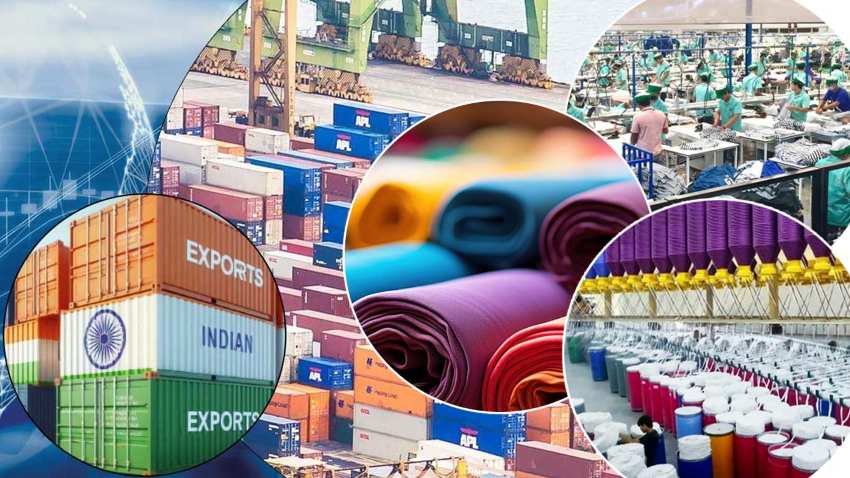
The textile sector in India may get access to credit at affordable rates. A national textiles policy will be announced soon. Efforts are also on to increase competitiveness of the Indian textile and apparel sector in global markets. India is looking at taking advantage of rising wage costs in China.
Textile and apparel exports managed a resilient performance in FY ’16, mainly on account of high growth registered in carpets, handicrafts, jute and even readymade garments. The amended Technology Upgradation Fund Scheme was rolled out in January 2016 with a budget provision of Rs 17,822 crores for the next seven years. It is expected to attract an investment of Rs one lakh crore and generate jobs for 30 lakh people.
Also, the Integrated Processing Development Scheme was rolled out to provide up to 50 per cent assistance for common effluent treatment plants with a zero liquid discharge system, subject to a ceiling of Rs 75 crores. A 50 per cent subsidy may be granted to power looms operating on solar energy.
The aim is to increase the earning of handloom weavers to Rs 500 a day. The total subsidy to be given is Rs 3.75 lakh to persons belonging to the general category, Rs 5.62 lakh for the OBC category and Rs 6.75 lakh to SC/ST.

- 1
- 2
- 3
- 4
- 5
- 6
- 7
- 8
- 9
- 10
India-UK CETA: Tariff-free UK access puts India's textile sector on growth track
India's textile and apparel industry is ready for one of its biggest export opportunities in decades as the India-UK Comprehensive... Read more
AI tailoring gains momentum as custom suits transforms premium apparel retail
Technology is reshaping one of fashion's oldest categories menswear. AI, digital body scanning and automated manufacturing are replacing conventional tailoring... Read more
Can trade deals and manufacturing reforms deliver India's textile vision?
India's textile and apparel industry has entered one of its strongest revival phases after several difficult years marked by pandemic... Read more
Women’s wear power global apparel growth as big brands rework retail strategies
For years, the world's largest apparel companies built their businesses around men's denim, workwear and outdoor clothing. That strategy is... Read more
The End of Fibre Blends: Why retailers are moving toward 100% recyclable apparel
The apparel industry is entering a redesign phase as sustainability goals, regulatory pressures, and resource security unite around one central... Read more
Recycled polyester’s next growth phase will be driven by data, not fiber
For much of the last decade, recycled polyester was one of the easiest sustainability wins available to brands. Replacing virgin... Read more
Lefties becomes Inditex's new weapon against Primark and Shein
While much of the global apparel industry has focused on the rapid rise of digital-first retailers such as Shein and... Read more
Bangladesh’s apparel export model hits a breaking point as price wars reduce mar…
Bangladesh's apparel industry, long regarded as the world's manufacturing hub for affordable, high-volume garments, is facing one of its most... Read more
EU textile labeling crackdown exposes apparel supply chain compliance risks
The European apparel industry is facing a major compliance challenge after a coordinated market surveillance exercise by the European Commission... Read more
Can Surat overcome raw material volatility to become a global MMF hub?
Surat remains the undisputed heart of India's man-made fibre (MMF) textile industry. The Gujarat cluster produces nearly 65 per cent... Read more