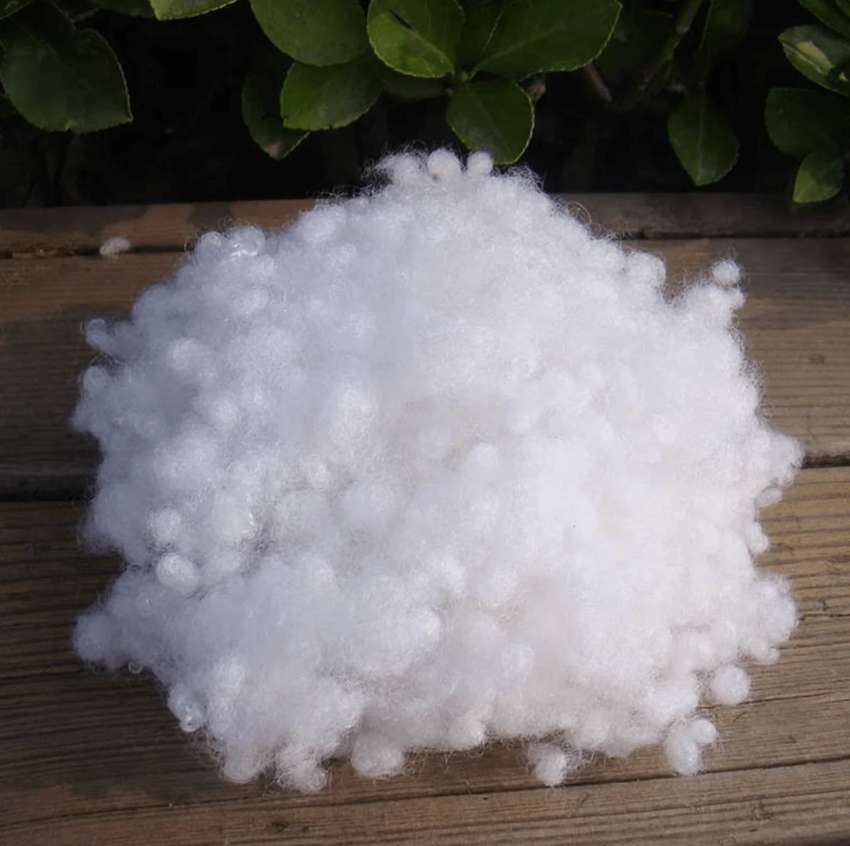
A 12 per cent contraction in local cotton acreage to 2.36 million hectare, driven by pest resistance and farmer crop shifts toward oilseeds, has curtailed raw lint availability across Western India. Raw cotton prices increased by 13 per cent to Rs 61,000 per candy, pushing yarn costs up 12 per cent while finished fabric realizations remained stagnant. Consequently, weaving clusters in Surat face estimated cumulative losses between Rs 2,500 crore and Rs 3,000 crore, forcing many processing units to reduce daily shifts by 50 per cent. Mills are currently selling below production costs to sustain operations, making temporary capacity curtailments unavoidable, says Ashok Jirawala, President, Federation of Gujarat Weavers Association.
Export realignment and duty relief strategies
Adding to domestic margin compression, updated US Section 301 tariffs enforce an effective 15.5 per cent duty on Indian apparel exports, squeezing profit margins for finished-goods manufacturers in Ahmedabad. To mitigate these pressures, apparel makers are leveraging the Centre's temporary suspension of the 11 percent cotton import duty to procure extra-long staple fibre and expand man-made fibre production. In response, automated weaving facilities are adopting high-speed air-jet machinery to reduce energy overheads and maintain price competitiveness against exporters in Bangladesh and Vietnam.
Regional textile sector profile
Gujarat's textile cluster powers 25 percent of India’s spinning output and one-third of its cotton crop, delivering yarn, denim, and synthetic fabrics globally. Established during the late 19th century, the regional industry is expanding into high-value technical textiles to sustain multi-billion-dollar revenue targets despite short-term market volatility.