India will undertake a scheme for capacity building in the textile sector with a budget outlay of Rs 1300 crores for two years. The scheme would enable the industry to adopt scientific principles for upgrading the skills of employees and achieving higher productivity. It would also facilitate cost cutting and quality improvement, train fresh workers, but also upgrade skills of supervisors, executives, managers and entrepreneurs. The Indian textile industry has been lagging in productivity behind countries like China, Bangladesh, Vietnam etc. It is the second largest employment provider next only to agriculture.
It is essential to train the workforce on a scientific basis and constantly upgrade skills to remain globally competitive and also enable employees to earn good remuneration. Earlier the ministry of textiles had launched the Integrated Skill Development Scheme. Under this scheme, around 11 lakh people got benefited. And of the people who have been trained 70 per cent need to be placed in the entire value chain of the textile sector.
India is looking at policies and programs to encourage economies of scale. Looking at the demand the industry is working toward economies of scale. India is the second largest exporter of textiles and apparel next to China. But while China’s share is almost 40 per cent of global exports, India’s share is about five per cent.

- 1
- 2
- 3
- 4
- 5
- 6
- 7
- 8
- 9
- 10
The "Total Look" Retail Revolution: The integration of jewellery, acce…
The conventional boundaries separating fashion jewellery, ready-to-wear and leather goods, have collapsed on the international retail floor. At the September... Read more
Why Rules of Origin could limit India’s FTA gains
India’s growing network of trade agreements promises lower tariffs and wider market access for its textile and apparel exporters. But... Read more
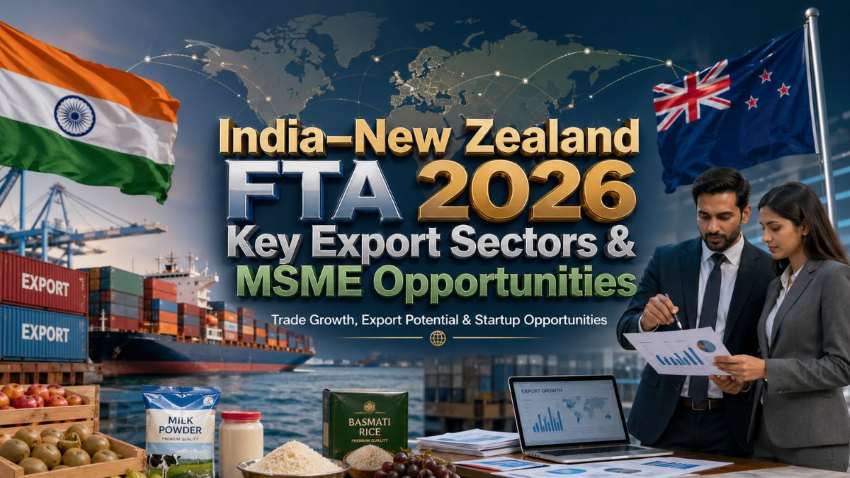
India-New Zealand FTA opens tariff-free route for textile exporters
The India-New Zealand Free Trade Agreement (FTA), which comes into force on October 20, 2026, creates a new tariff-free corridor... Read more
Virgin polyester drives global fibre output to record 139 mn tonnes
Global textile fibre production reached a record 139 million tonnes in 2025, up 5.3 per cent from 132 million tonnes... Read more
Turkish apparel bets on ‘High-End Value’ at Ready to Show Milano
At the autumn session ( September 12-14, 2026) of Ready to Show inside Hall 10 of Fiera Milano-Rho, the Mediterranean... Read more
Technical Knits and Athleisure drive sourcing at Ready to Show Milano
On the trade floor of Ready to Show inside Hall 10 at Fiera Milano-Rho, European apparel sourcing encountered its fastest-growing... Read more
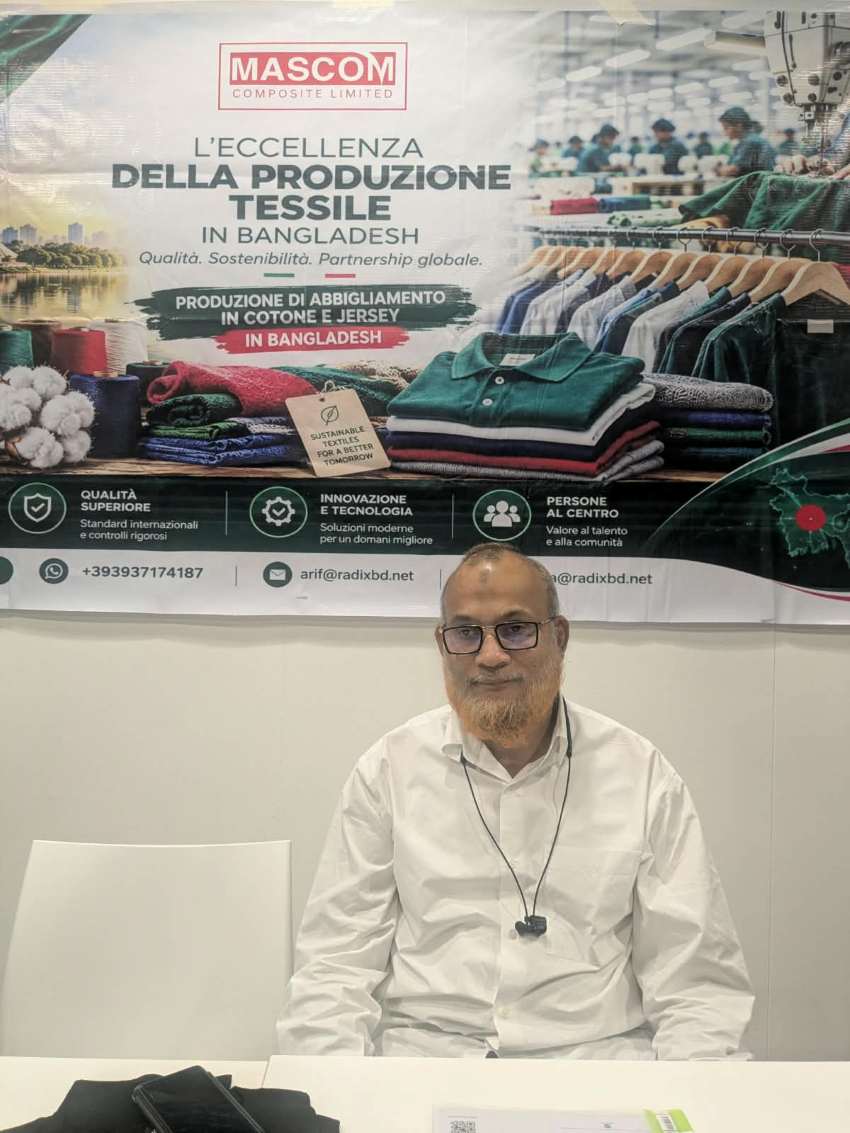
From Dhaka to Milan: Mascom Composite backs Southern Europe’s sports and lifesty…
While the trade floor of Ready to Show Milano inside Hall 10 at Fiera Milano-Rho placed a heavy spotlight on... Read more
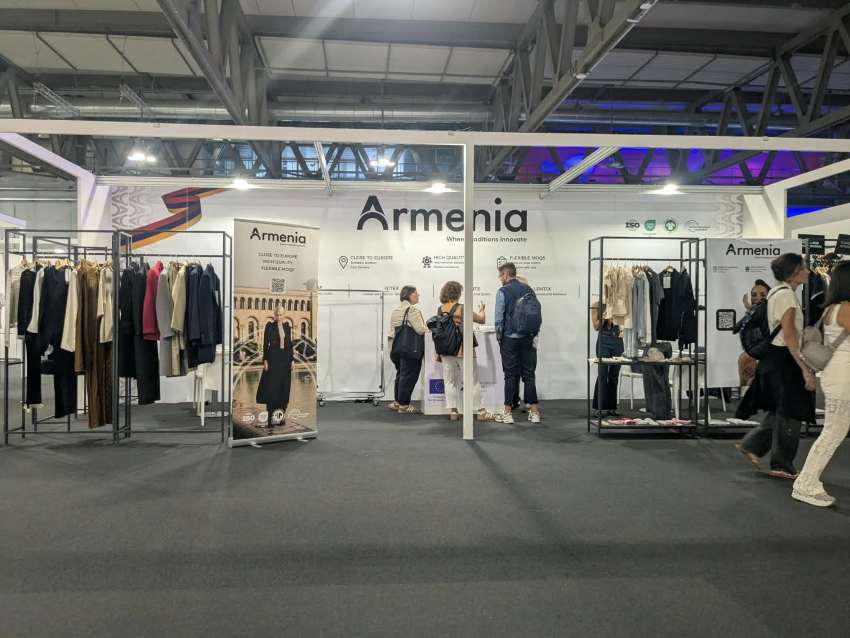
Armenia at Ready to Show Milano, bridges agility, circularity, and ‘Low-MOQs’ fo…
As European fashion brands and private labels navigate persistent supply chain bottlenecks, rising transport overheads, and tightening environmental mandates, an... Read more
India-Bangladesh textile corridor shifts from trade to co-production
The Petrapole-Benapole corridor is evolving from a conventional trading route into an integrated production network, linking India’s upstream textile capacity... Read more
Gen Z’s anti-polyester push forces apparel brands to rethink margins
The apparel industry is facing an unusual reputational challenge: the growing association of polyester with low quality and excessive cost-cutting... Read more