India saw a decline in exports of woolen yarn, fabric and made-ups by 48 per cent and woolen garments by nine per cent in the first quarter of the current financial year. Demand for woolen garments has been falling due to global warming as well as sluggish orders from Europe. The price of 20.5 micron wool has risen to Rs 800 or Rs 900 from Rs 600 or Rs 700 a kilo two years ago. However, manufacturers find it difficult to pass this on to consumers because it might further affect demand.
India depends on imported wool from Australia for making garments and shawls. Domestic wool is used for blankets and rugs. Large firms catering to niche markets have been able to beat the slowdown in demand with the help of innovation and marketing strategies but medium and small players are gasping for breath.
During pre-winter months, wool fabric is in high demand by the Kashmiri artisans, who make embroidered garments. But business of mid-size manufacturers in Ludhiana and Amritsar has been hit by the turbulence in Kashmir. This year they have had to run their factories at one-third capacity. The unrest in the Kashmir Valley has wiped out nearly 50 per cent of domestic demand.

- 1
- 2
- 3
- 4
- 5
- 6
- 7
- 8
- 9
- 10
Polyethylene stretch yarn challenges elastane’s hold on activewear
The global activewear, denim and intimate apparel markets have built a substantial business around stretch. But the same fibre combinations... Read more
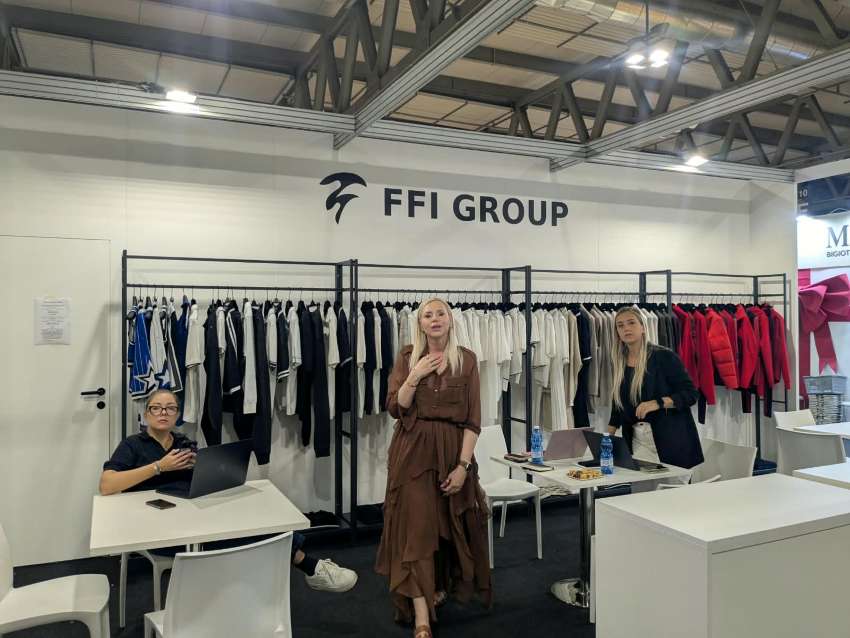
Automation Meets Italian Design: FFI Srl unveils ‘Next-Gen Robotics’ to help bra…
At the recently concluded autumn edition of Ready to Show inside Hall 10 at Fiera Milano-Rho—staged alongside the Milano Fashion... Read more
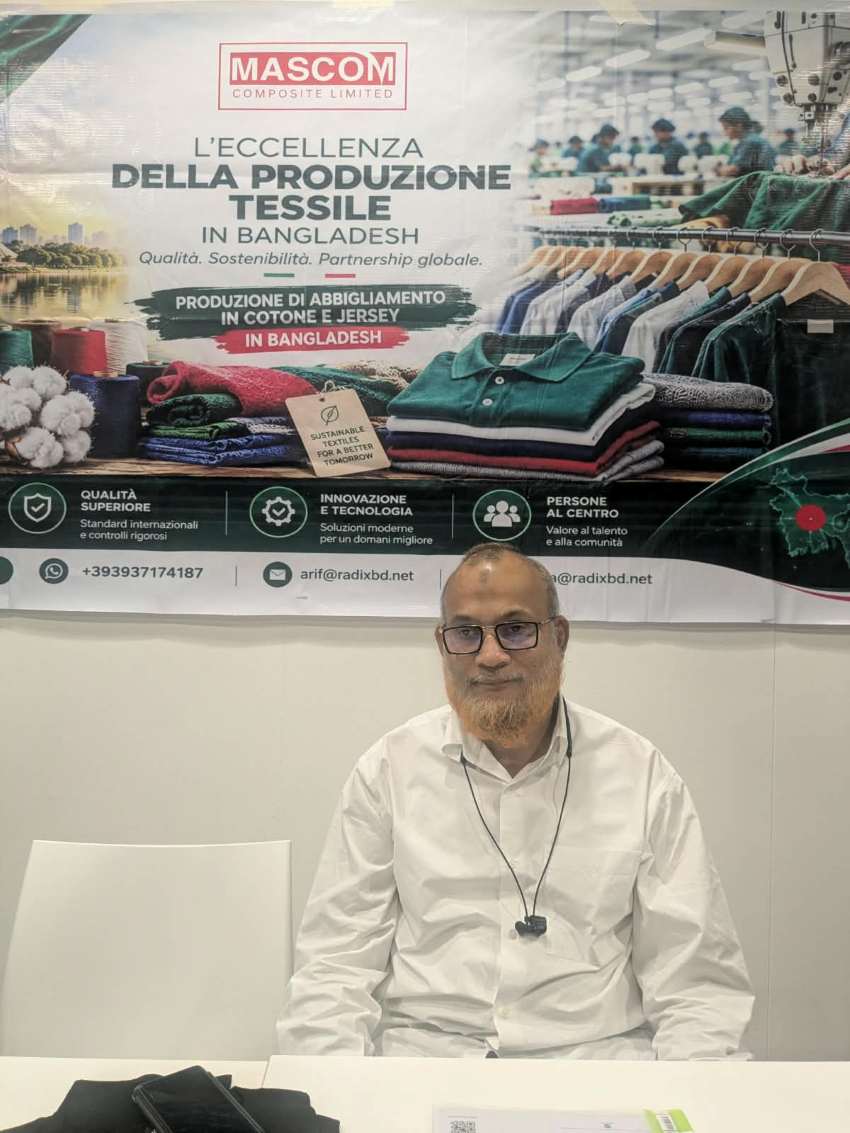
From Dhaka to Milan: Mascom Composite backs Southern Europe’s sports and lifesty…
While the trade floor of Ready to Show Milano inside Hall 10 at Fiera Milano-Rho placed a heavy spotlight on... Read more
How surging silver prices are reshaping ‘Mid-Tier’ fashion jewellery
Escalating global bullion volatility and raw material pricing pressures are forcing a fundamental reassessment across the mid-tier fashion jewellery trade.... Read more
Milano Fashion & Jewels: How ‘Re-Engineered’ heritage crafts are driving hig…
A counter-movement against industrial uniformity is reshaping European bijouterie, transforming authentic craftsmanship into a powerful lever for high-margin boutique growth.... Read more
The "Total Look" Retail Revolution: The integration of jewellery, acce…
The conventional boundaries separating fashion jewellery, ready-to-wear and leather goods, have collapsed on the international retail floor. At the September... Read more
Why Rules of Origin could limit India’s FTA gains
India’s growing network of trade agreements promises lower tariffs and wider market access for its textile and apparel exporters. But... Read more
India-New Zealand FTA opens tariff-free route for textile exporters
The India-New Zealand Free Trade Agreement (FTA), which comes into force on October 20, 2026, creates a new tariff-free corridor... Read more
Virgin polyester drives global fibre output to record 139 mn tonnes
Global textile fibre production reached a record 139 million tonnes in 2025, up 5.3 per cent from 132 million tonnes... Read more
Turkish apparel bets on ‘High-End Value’ at Ready to Show Milano
At the autumn session ( September 12-14, 2026) of Ready to Show inside Hall 10 of Fiera Milano-Rho, the Mediterranean... Read more