Archroma, the global speciality chemicals business, says halogen-free flame retardant powder coating additive, Pekoflam HFC, has been certified by the Oeko-Text Association to Oeko-Tex Standard 100. The company also claims that Pekoflam HFC is an organic phosphorous/nitrogen compound that provides excellent performance on synthetic materials, including polyamide fibres and blends with possible applications including military and protective wear, transportation interiors, and high-quality upholstery.
The Oeko-Tex Standard 100 is an independent test and certification system for textile raw, intermediate and end products at all stages of processing. Examples of articles that can be certified include yarns, fabrics, treated fabrics, and manufactured articles including clothing of all kinds, domestic and household textiles, bedding, towels and soft toys.
The chemistry in Pekoflam demonstrates higher efficiency compared to commonly used nitrogen and phosphorous based chemicals, with the product also applicable in water-based systems as well as in the Oeko-Tex Standard 100 compliant ‘green’ solvent based coating systems, Archroma suggests.
According to Archroma’s global segment manager flame retardants, textile specialties business, Michael Schuhmann, the primary advantage of Pekoflam HFC is its ability to combine the effects and properties of selected halogenated and non-halogenated technologies in a fire protection solution for various coating polymers. Pekoflam HFC thus offers a sustainable long-term alternative for synthetic textile applications, meeting the criteria of the Oeko-Tex Standard 100 and responding to the general trend towards more environmentally-compatible materials and end-products that pose significantly lower risks to health, he claims.

- 1
- 2
- 3
- 4
- 5
- 6
- 7
- 8
- 9
- 10
From cotton to MMF cost equation is rewriting global textile trade
The global textile and apparel trade has grown from $560 billion in 2006 to $914 billion in 2025, reveals the... Read more
Polyethylene stretch yarn challenges elastane’s hold on activewear
The global activewear, denim and intimate apparel markets have built a substantial business around stretch. But the same fibre combinations... Read more
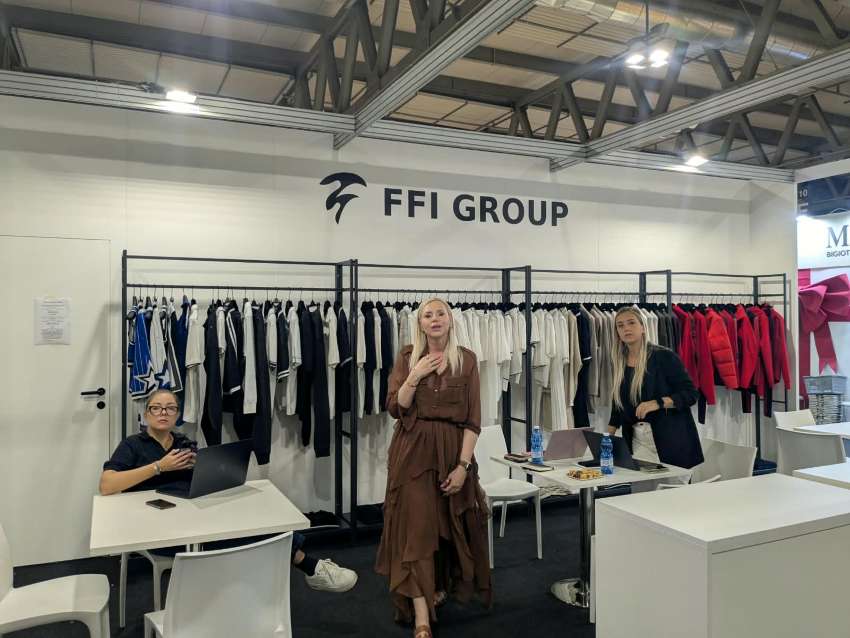
Automation Meets Italian Design: FFI Srl unveils ‘Next-Gen Robotics’ to help bra…
At the recently concluded autumn edition of Ready to Show inside Hall 10 at Fiera Milano-Rho—staged alongside the Milano Fashion... Read more
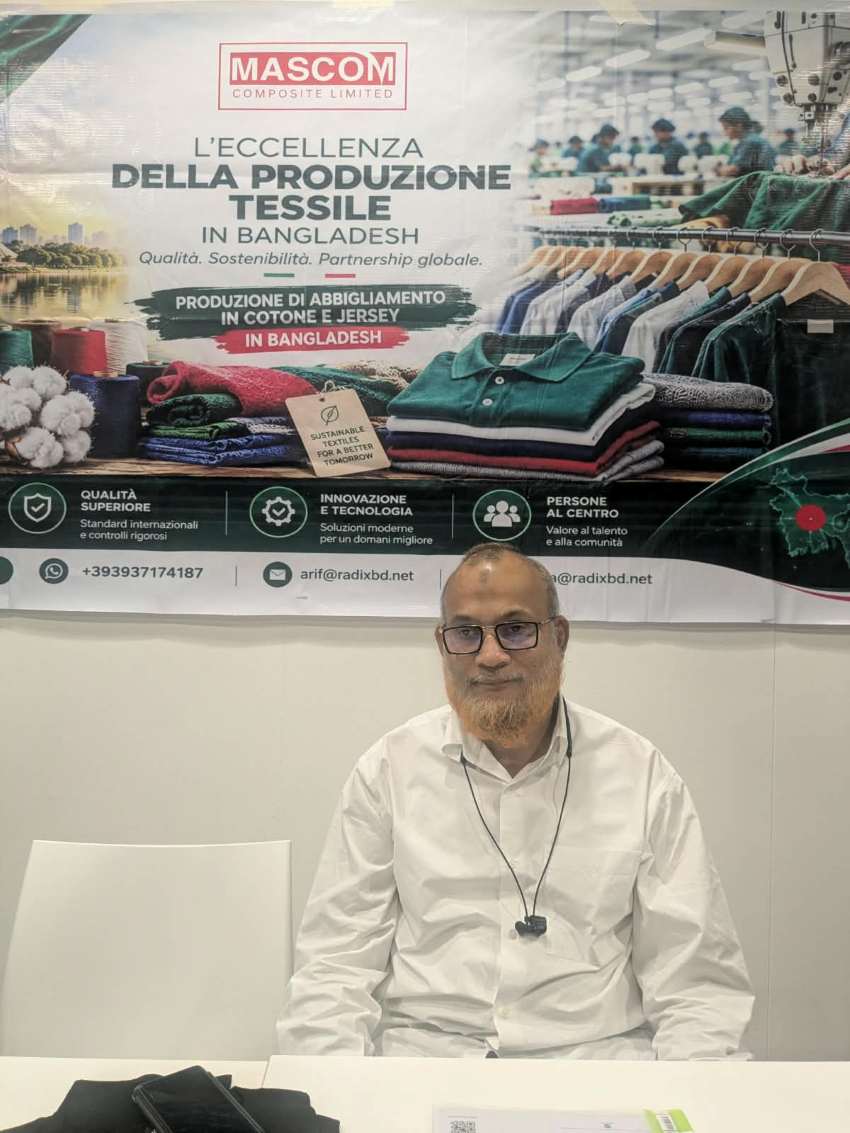
From Dhaka to Milan: Mascom Composite backs Southern Europe’s sports and lifesty…
While the trade floor of Ready to Show Milano inside Hall 10 at Fiera Milano-Rho placed a heavy spotlight on... Read more
How surging silver prices are reshaping ‘Mid-Tier’ fashion jewellery
Escalating global bullion volatility and raw material pricing pressures are forcing a fundamental reassessment across the mid-tier fashion jewellery trade.... Read more
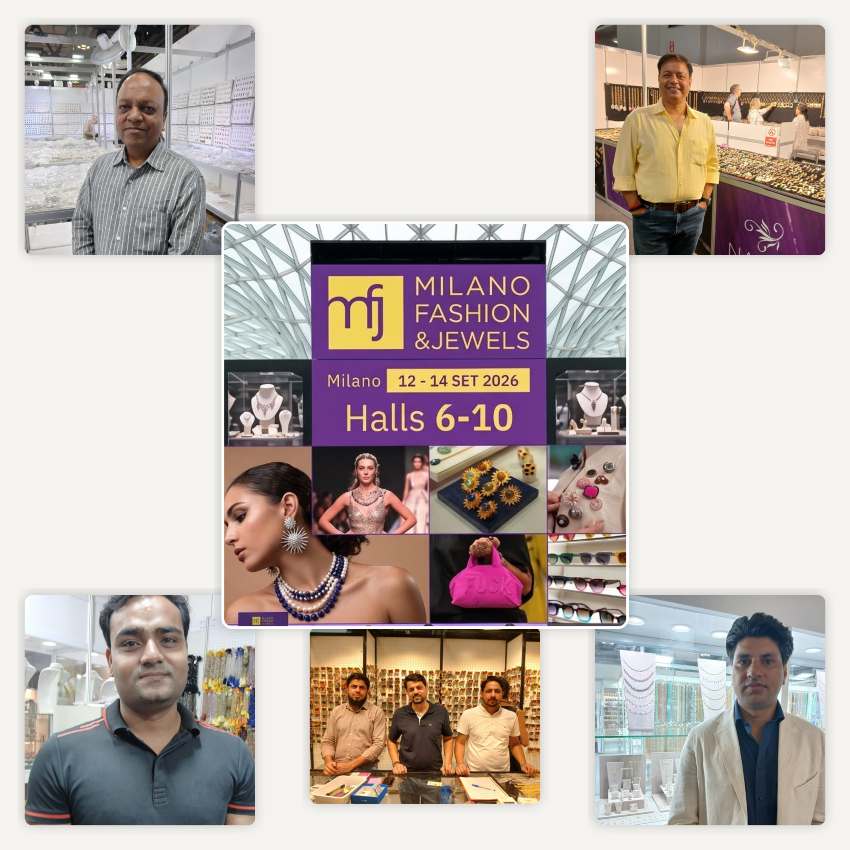
Milano Fashion & Jewels: How ‘Re-Engineered’ heritage crafts are driving hig…
A counter-movement against industrial uniformity is reshaping European bijouterie, transforming authentic craftsmanship into a powerful lever for high-margin boutique growth.... Read more
The "Total Look" Retail Revolution: The integration of jewellery, acce…
The conventional boundaries separating fashion jewellery, ready-to-wear and leather goods, have collapsed on the international retail floor. At the September... Read more
Why Rules of Origin could limit India’s FTA gains
India’s growing network of trade agreements promises lower tariffs and wider market access for its textile and apparel exporters. But... Read more
India-New Zealand FTA opens tariff-free route for textile exporters
The India-New Zealand Free Trade Agreement (FTA), which comes into force on October 20, 2026, creates a new tariff-free corridor... Read more
Virgin polyester drives global fibre output to record 139 mn tonnes
Global textile fibre production reached a record 139 million tonnes in 2025, up 5.3 per cent from 132 million tonnes... Read more