Private jute mills in Bangladesh are likely to get the same facilities the government gives state-owned jute mills. Jute mills are going through an acute financial crisis mainly due to a decline in exports of jute goods.
An advisory committee meeting of the Ministry of Textiles and Jute last year decided on sanctioning of fresh working capital for private jute millers, keeping their outstanding loans along with five years’ interest in a blocked account. The interest of five year loans up to June 30, 2014, will be deposited to the blocked account with two years’ moratorium. The advisory committee also urged banks to implement the decisions to keep the sector alive.
Millers also want use of the export development fund in case of import of capital machinery and spare parts and 30 per cent grant to purchase machinery from abroad. Export of jute and jute goods witnessed a 20 per cent drop while raw jute export experienced a decline of 45 per cent. At present, about 212 jute mills are in operation in the country. Of these, 21 are run by the government and the rest by private owners.
Private jute mills say they face a lot of difficulties in getting even simple loans, while state-run mills get various facilities including clearing bank debts, advance bank loan and incentives.

- 1
- 2
- 3
- 4
- 5
- 6
- 7
- 8
- 9
- 10
The "Total Look" Retail Revolution: The integration of jewellery, acce…
The conventional boundaries separating fashion jewellery, ready-to-wear and leather goods, have collapsed on the international retail floor. At the September... Read more
Why Rules of Origin could limit India’s FTA gains
India’s growing network of trade agreements promises lower tariffs and wider market access for its textile and apparel exporters. But... Read more
India-New Zealand FTA opens tariff-free route for textile exporters
The India-New Zealand Free Trade Agreement (FTA), which comes into force on October 20, 2026, creates a new tariff-free corridor... Read more
Virgin polyester drives global fibre output to record 139 mn tonnes
Global textile fibre production reached a record 139 million tonnes in 2025, up 5.3 per cent from 132 million tonnes... Read more
Turkish apparel bets on ‘High-End Value’ at Ready to Show Milano
At the autumn session ( September 12-14, 2026) of Ready to Show inside Hall 10 of Fiera Milano-Rho, the Mediterranean... Read more
Technical Knits and Athleisure drive sourcing at Ready to Show Milano
On the trade floor of Ready to Show inside Hall 10 at Fiera Milano-Rho, European apparel sourcing encountered its fastest-growing... Read more
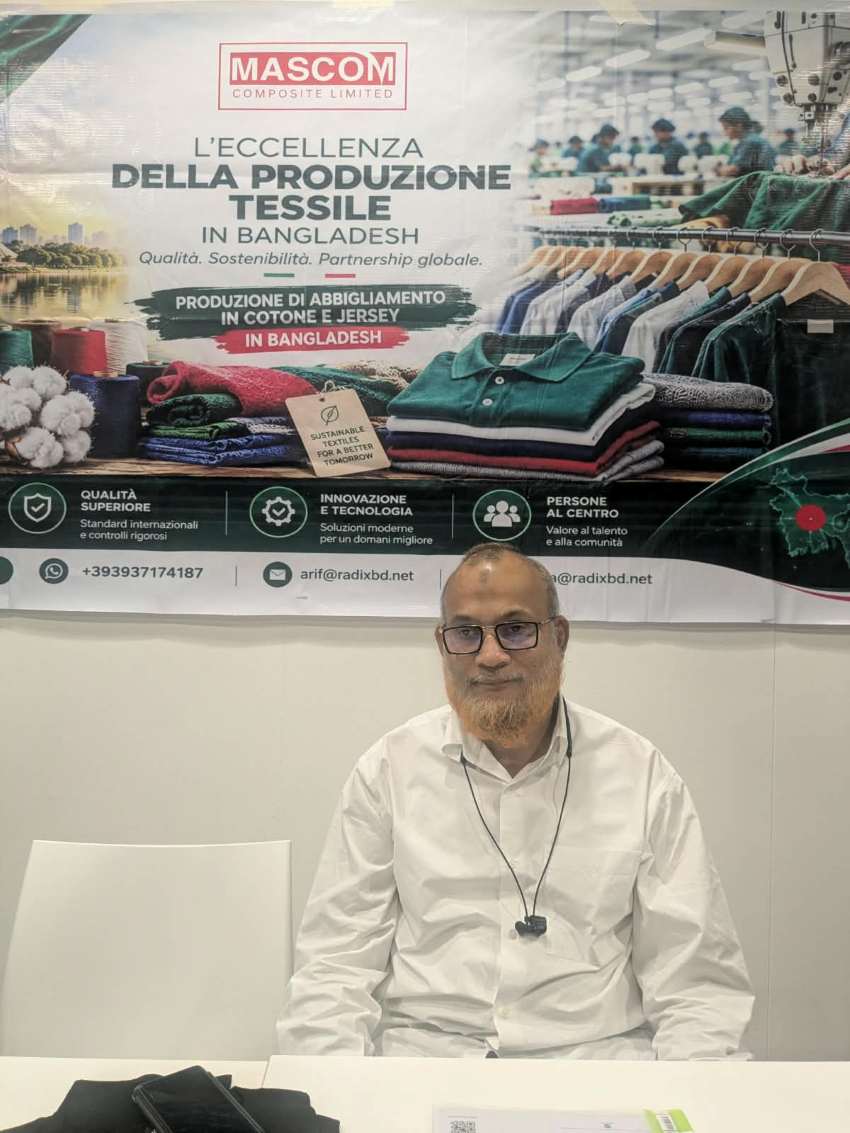
From Dhaka to Milan: Mascom Composite backs Southern Europe’s sports and lifesty…
While the trade floor of Ready to Show Milano inside Hall 10 at Fiera Milano-Rho placed a heavy spotlight on... Read more
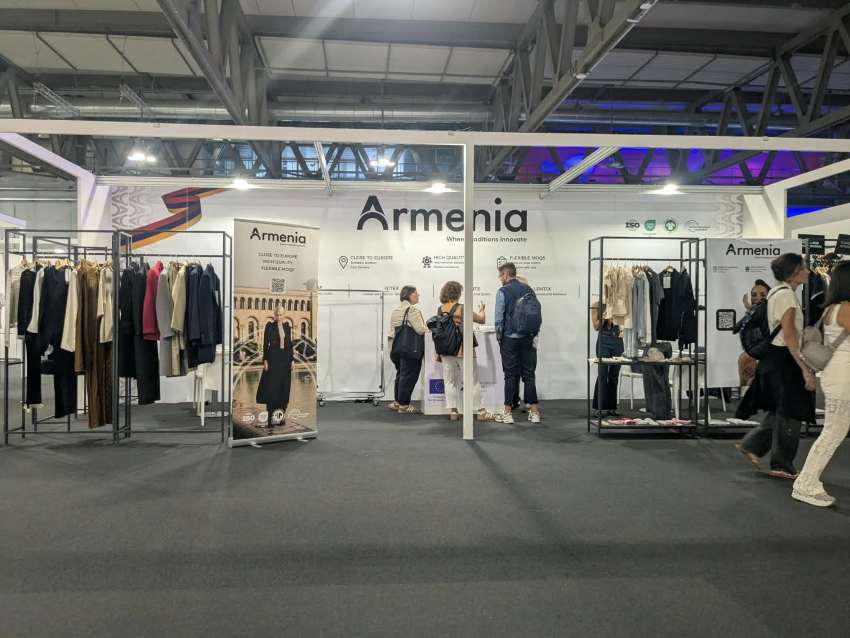
Armenia at Ready to Show Milano, bridges agility, circularity, and ‘Low-MOQs’ fo…
As European fashion brands and private labels navigate persistent supply chain bottlenecks, rising transport overheads, and tightening environmental mandates, an... Read more
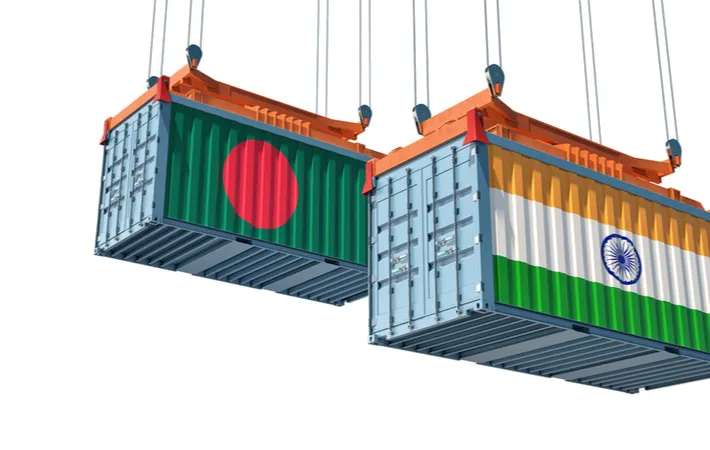
India-Bangladesh textile corridor shifts from trade to co-production
The Petrapole-Benapole corridor is evolving from a conventional trading route into an integrated production network, linking India’s upstream textile capacity... Read more
Gen Z’s anti-polyester push forces apparel brands to rethink margins
The apparel industry is facing an unusual reputational challenge: the growing association of polyester with low quality and excessive cost-cutting... Read more