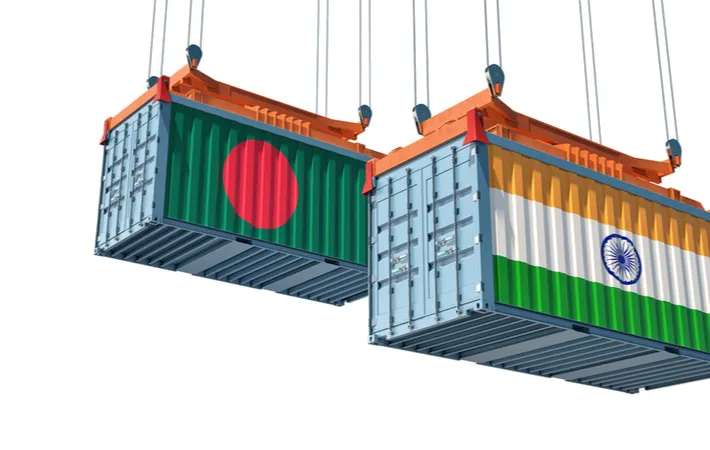
India will extend the upgraded Rebate of State and Central Taxes and Levies scheme to all textile products. The scheme reimburses garments and made-up exporters all un-remitted input taxes paid at the state and central levels. RoSCTL includes value-added tax on fuel used in transportation, captive power, farm sector, mandi tax, duty of electricity, stamp duty, embedded SGST and CGST paid on inputs and central excise duty on fuel.
This is being done to prepare the sector for an eventual withdrawal of the Merchandise Export Incentive Scheme (MEIS) that flouts global trade rules. Under this scheme, exporters are given incentives equivalent to about four per cent of their export value in the form of duty credit scrips that can be used to pay customs duties and are freely transferable. Since it is a direct export subsidy, and the textile sector’s phase-out period for such subsidies ended in 2018, it would have to be withdrawn soon.
The textile sector has long graduated out of the special dispensation that the WTO extends to vulnerable sectors or countries that need support by allowing them to extend export sops that are otherwise banned. If the MEIS is extended for a longer period to textile exporters, and a WTO member files a dispute, India doesn’t have much of a defense. Hence the need to replace the scheme.

- 1
- 2
- 3
- 4
- 5
- 6
- 7
- 8
- 9
- 10
Inventory intelligence replaces discounts in new secondhand wholesale trade
The global secondhand apparel industry has entered a new phase of commercial maturity. Once defined by bulk liquidation, aggressive discounting... Read more
Collection, sorting, cost replace technology as the bottleneck in circular fashi…
For years, the global fashion industry treated fibre-to-fibre recycling as a scientific challenge. Chemical recycling technologies, enzyme-based processes and advanced... Read more
Beyond Blue Jeans: How brand identity is reshaping a $103 bn market
The global denim industry is entering a new phase of competition, one in which branding psychology is becoming as valuable... Read more
Beyond Tariffs: How a unified US apparel industry wants to rebuild regional manu…
In a rare show of consensus, some of the US' most influential apparel, footwear and textile organisations have come together... Read more
India-UK CETA: Tariff-free UK access puts India's textile sector on growth track
India's textile and apparel industry is ready for one of its biggest export opportunities in decades as the India-UK Comprehensive... Read more
AI tailoring gains momentum as custom suits transforms premium apparel retail
Technology is reshaping one of fashion's oldest categories menswear. AI, digital body scanning and automated manufacturing are replacing conventional tailoring... Read more
Can trade deals and manufacturing reforms deliver India's textile vision?
India's textile and apparel industry has entered one of its strongest revival phases after several difficult years marked by pandemic... Read more
Women’s wear power global apparel growth as big brands rework retail strategies
For years, the world's largest apparel companies built their businesses around men's denim, workwear and outdoor clothing. That strategy is... Read more
The End of Fibre Blends: Why retailers are moving toward 100% recyclable apparel
The apparel industry is entering a redesign phase as sustainability goals, regulatory pressures, and resource security unite around one central... Read more
Recycled polyester’s next growth phase will be driven by data, not fiber
For much of the last decade, recycled polyester was one of the easiest sustainability wins available to brands. Replacing virgin... Read more