The spinning sector in India needs immediate attention. In view of the weak financial position and reduced cash flows, the sector needs immediate extension of interest subvention. A huge proportion of spinning mills in the country have a low non-investment grade rating that could deny them any scope for further borrowings from banks. This means, the financial health of the mills has been deteriorating and non-performing assets (NPA) rising.
Not only is profitability of spinning mills diminishing, the average EBITDA margins (earnings before interests, taxes, depreciation and amortization) declined sharply in the case of large mills from 14.8 per cent in 2013-14 to 11.3 per cent in 2014-15 fiscal. Similarly, EBITDA margins of small sized mills declined from 7.7 per cent in 2013-14 to 4.7 per cent in 2014-15.
Extending interest subvention would boost the prowess of labor-intensive spinning sector and reduce NPAs of public sector banks. Every additional Rs 10 lakh revenues in the spinning sector could generate employment for 16 more people.
As of December 2014, public sector banks reported gross NPA of 10 per cent of their advances to the cotton-based textile sector against five per cent registered in December 2012.

- 1
- 2
- 3
- 4
- 5
- 6
- 7
- 8
- 9
- 10
The "Total Look" Retail Revolution: The integration of jewellery, acce…
The conventional boundaries separating fashion jewellery, ready-to-wear and leather goods, have collapsed on the international retail floor. At the September... Read more
Why Rules of Origin could limit India’s FTA gains
India’s growing network of trade agreements promises lower tariffs and wider market access for its textile and apparel exporters. But... Read more
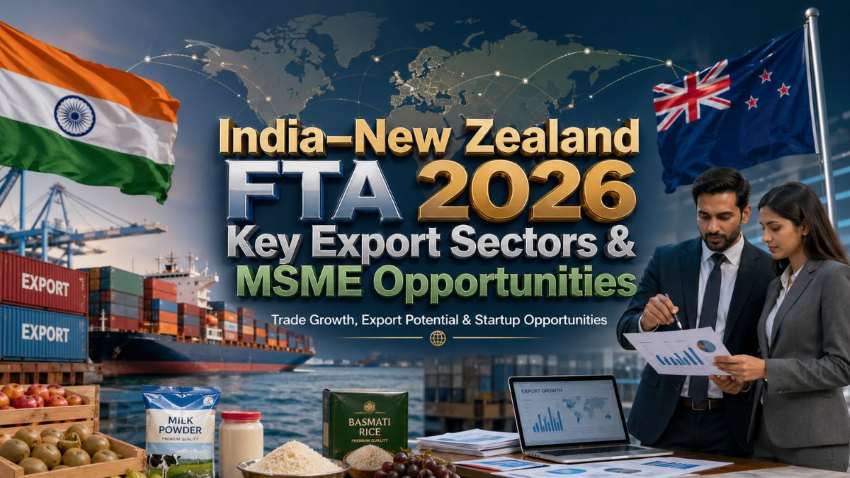
India-New Zealand FTA opens tariff-free route for textile exporters
The India-New Zealand Free Trade Agreement (FTA), which comes into force on October 20, 2026, creates a new tariff-free corridor... Read more
Virgin polyester drives global fibre output to record 139 mn tonnes
Global textile fibre production reached a record 139 million tonnes in 2025, up 5.3 per cent from 132 million tonnes... Read more
Turkish apparel bets on ‘High-End Value’ at Ready to Show Milano
At the autumn session ( September 12-14, 2026) of Ready to Show inside Hall 10 of Fiera Milano-Rho, the Mediterranean... Read more
Technical Knits and Athleisure drive sourcing at Ready to Show Milano
On the trade floor of Ready to Show inside Hall 10 at Fiera Milano-Rho, European apparel sourcing encountered its fastest-growing... Read more
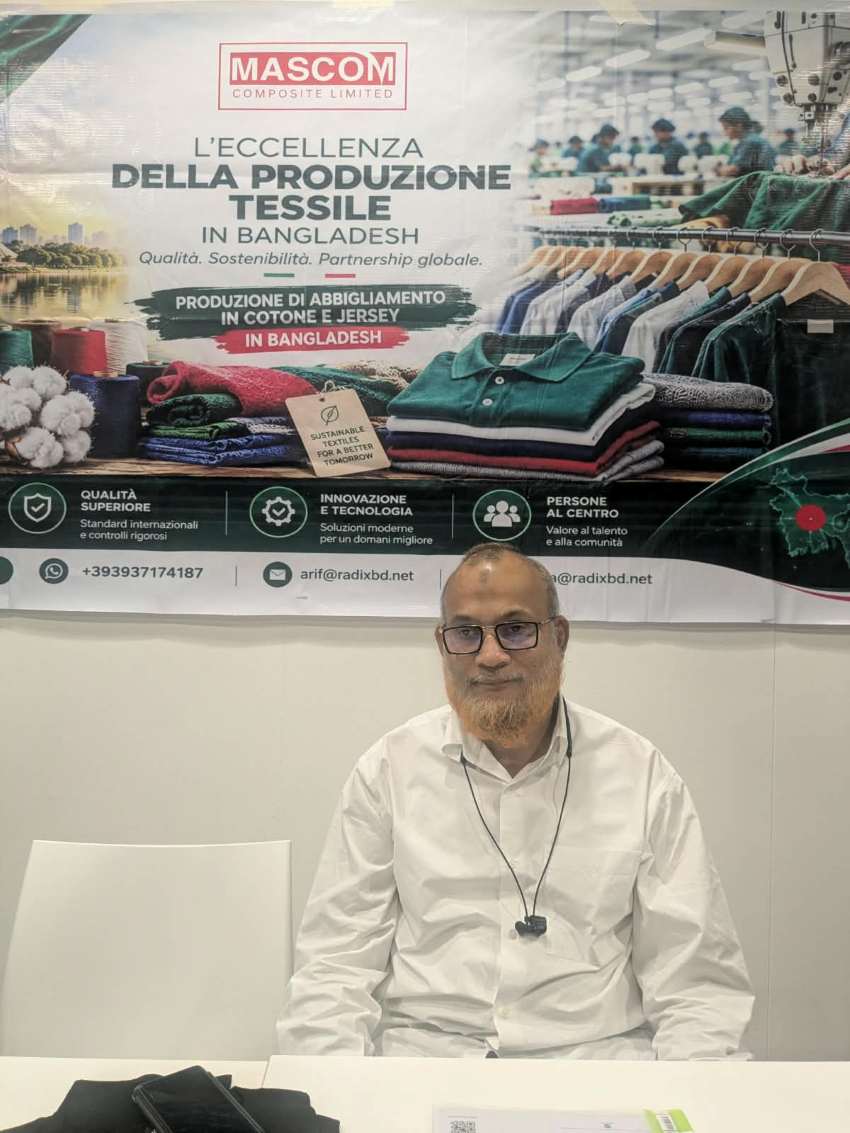
From Dhaka to Milan: Mascom Composite backs Southern Europe’s sports and lifesty…
While the trade floor of Ready to Show Milano inside Hall 10 at Fiera Milano-Rho placed a heavy spotlight on... Read more
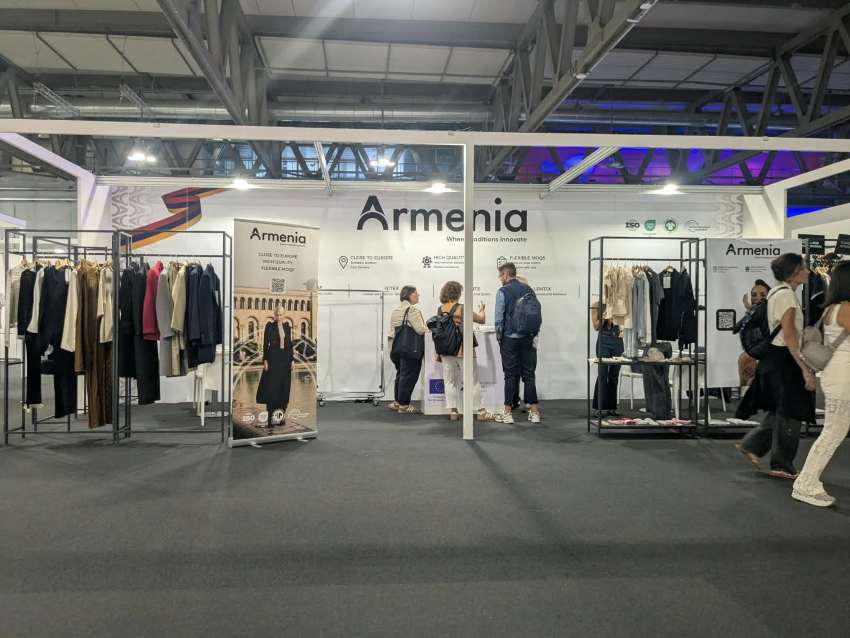
Armenia at Ready to Show Milano, bridges agility, circularity, and ‘Low-MOQs’ fo…
As European fashion brands and private labels navigate persistent supply chain bottlenecks, rising transport overheads, and tightening environmental mandates, an... Read more
India-Bangladesh textile corridor shifts from trade to co-production
The Petrapole-Benapole corridor is evolving from a conventional trading route into an integrated production network, linking India’s upstream textile capacity... Read more
Gen Z’s anti-polyester push forces apparel brands to rethink margins
The apparel industry is facing an unusual reputational challenge: the growing association of polyester with low quality and excessive cost-cutting... Read more