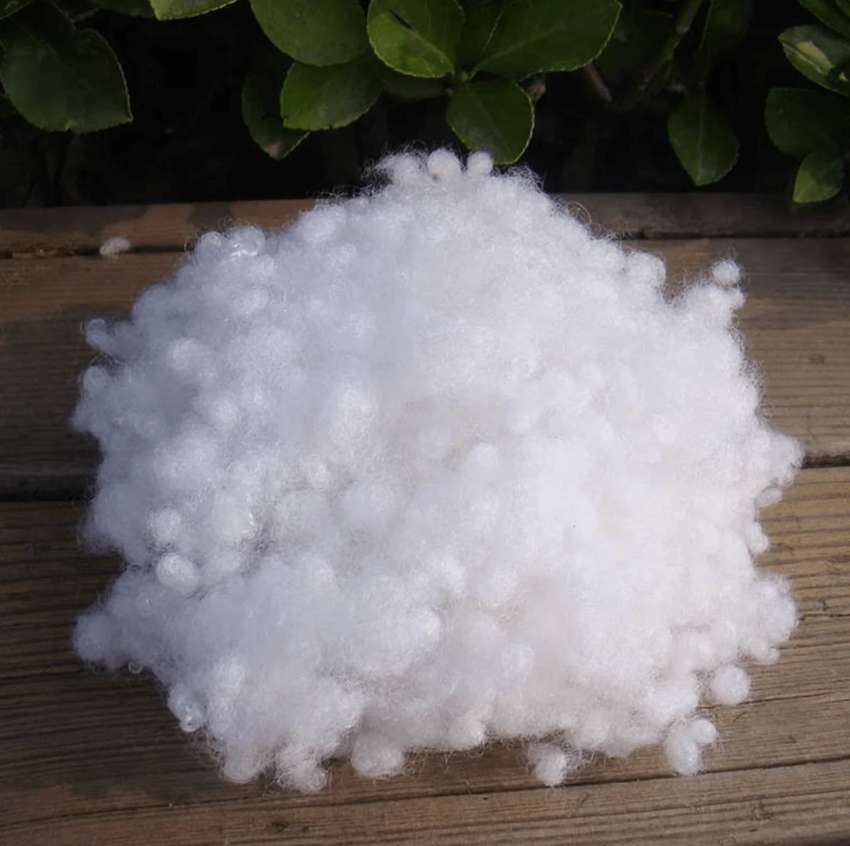
The global textile and apparel manufacturing industry is undergoing a structural realignment as tightening environmental regulations force brands to abandon petroleum-based synthetics. Recent market data indicates that the global cellulose fiber market, valued at US$ 43.77 billion, is projected to expand to US$ 80.24 billion by 2035, growing at a robust CAGR of 6.27 percent. This upward trajectory is anchored by surging consumer demand for biodegradable garments and stringent legislative pressure targeting carbon-heavy polyester production across the European Union and North America. Textile mills are consequently upgrading processing lines to handle regenerated cellulose inputs, balancing eco-friendly compliance with the high-performance durability required by modern apparel consumers.
Overcoming sourcing bottlenecks and scaling oroduction
Despite favorable long-term financial projections, raw material procurement and supply chain volatility remain pressing operational hurdles for textile producers. Scarcity of certified sustainably managed wood pulp and fluctuating agricultural yields have driven input costs higher, challenging apparel brands to maintain accessible retail price points. However, strategic capital investments in closed-loop chemical recycling facilities are creating new commercial opportunities. According to Marcus Vance, Head-Sustainable Materials, Apex Textile Group, transitioning entirely to next-generation cellulosic inputs reduces corporate carbon footprints by nearly forty percent while insulating manufacturers from volatile petrochemical pricing. As technological innovations improve fiber tensile strength, adoption rates across fast-fashion and luxury segments continue to accelerate.
Exhibiting strong financial performance
The cellulose fiber sector encompasses the production of natural and regenerated plant-based materials like viscose, modal, and lyocell used extensively in apparel manufacturing. Key consumer markets span Europe, North America, and emerging Asian textile hubs. Driven by green-label mandates, the sector exhibits strong financial performance, tracing roots back to early 20th-century rayon innovations.