Japan’s apparel industry is turning to state-of-the-art technology in a bold bid to cut labour costs and secure its future, from ready-to-wear knits manufactured instantly to customized dresses produced on inkjet printers. At Shima Seiki’s factory in Western Japan, garments materialise in minutes, thanks to digitally-programmed automated machines that can turn out a sample seam-free pullover in half an hour with a push of a button.
Patented by the Japanese manufacturer, the WholeGarment system and sold to knitwear companies like Italian luxury brand Max Mara includes a digital design system that allows users to choose patterns, colors and cuts. Known for glove-making machinery, Shima Seiki took a technological leap in the 1990s in an effort to revive the flagging fortunes of Japanese apparel manufacturers.
The WholeGarment system allows one worker to operate ten machines - thereby lowering labor costs - and uses limited raw material to create seam-free garments that generate no waste, since they require no cutting. The initiative is part of a push by Japan’s knitwear industry to capitalize on its technical know-how to create garments that cannot be replicated elsewhere at a lower cost.
The focus on technique and technology has already paid off, with Japan’s knitwear sector registering a 40 percent increase in exports over a 10-year period beginning in 2006, a rare bright spot in an otherwise dismal picture for textile and apparel exports from the country.

- 1
- 2
- 3
- 4
- 5
- 6
- 7
- 8
- 9
- 10
Polyethylene stretch yarn challenges elastane’s hold on activewear
The global activewear, denim and intimate apparel markets have built a substantial business around stretch. But the same fibre combinations... Read more
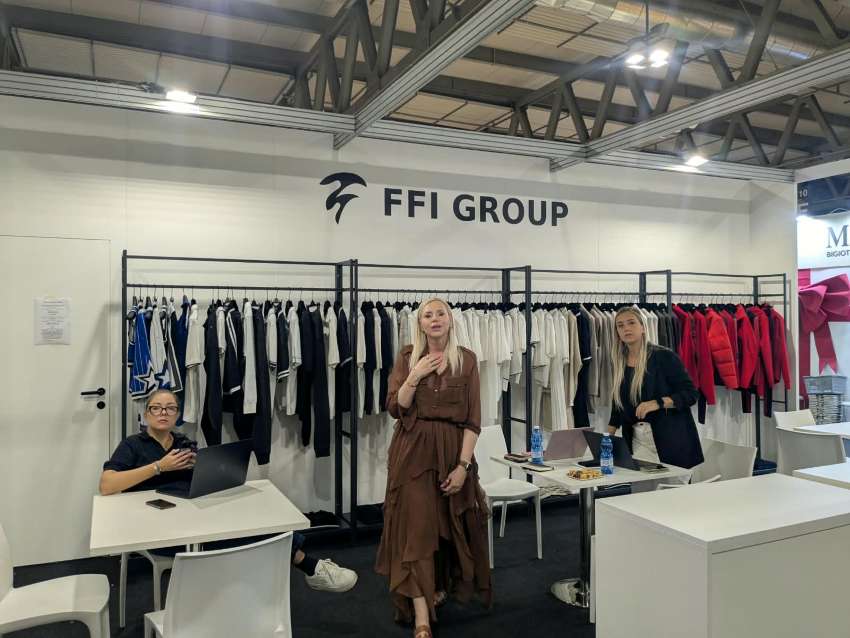
Automation Meets Italian Design: FFI Srl unveils ‘Next-Gen Robotics’ to help bra…
At the recently concluded autumn edition of Ready to Show inside Hall 10 at Fiera Milano-Rho—staged alongside the Milano Fashion... Read more
From Dhaka to Milan: Mascom Composite backs Southern Europe’s sports and lifesty…
While the trade floor of Ready to Show Milano inside Hall 10 at Fiera Milano-Rho placed a heavy spotlight on... Read more
How surging silver prices are reshaping ‘Mid-Tier’ fashion jewellery
Escalating global bullion volatility and raw material pricing pressures are forcing a fundamental reassessment across the mid-tier fashion jewellery trade.... Read more
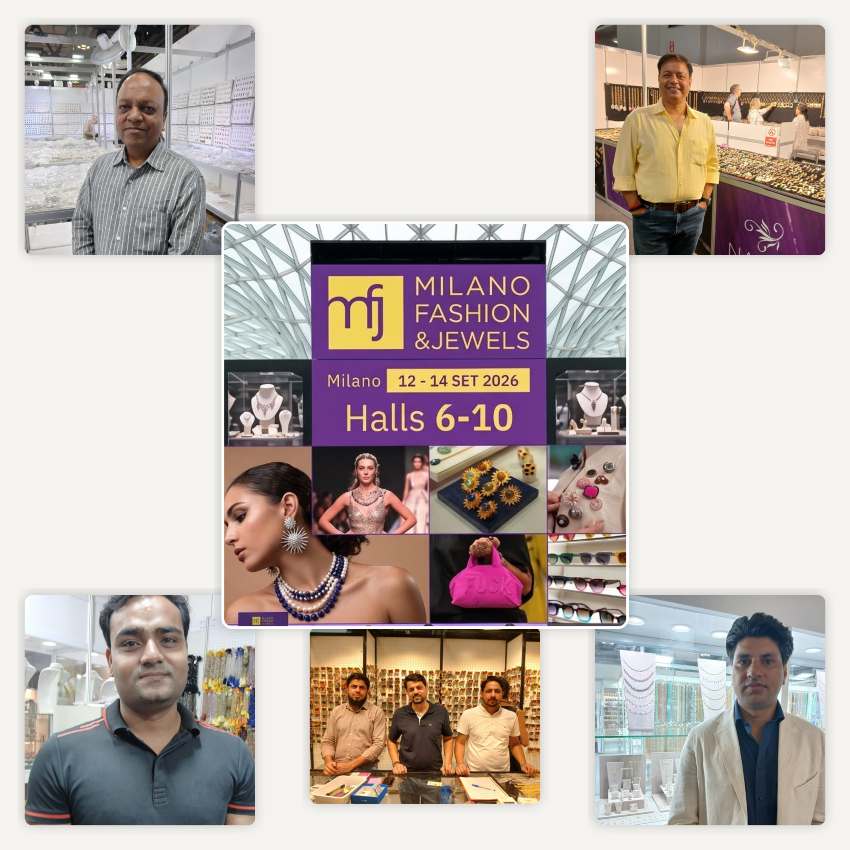
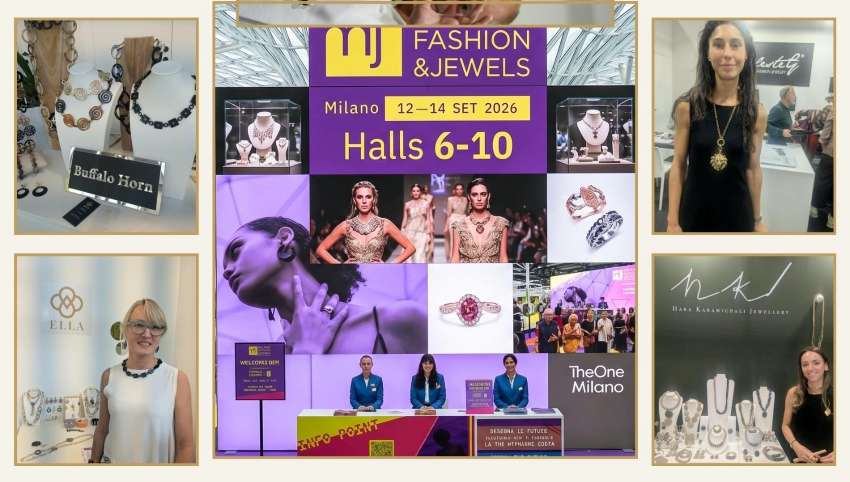
Milano Fashion & Jewels: How ‘Re-Engineered’ heritage crafts are driving hig…
A counter-movement against industrial uniformity is reshaping European bijouterie, transforming authentic craftsmanship into a powerful lever for high-margin boutique growth.... Read more
The "Total Look" Retail Revolution: The integration of jewellery, acce…
The conventional boundaries separating fashion jewellery, ready-to-wear and leather goods, have collapsed on the international retail floor. At the September... Read more
Why Rules of Origin could limit India’s FTA gains
India’s growing network of trade agreements promises lower tariffs and wider market access for its textile and apparel exporters. But... Read more
India-New Zealand FTA opens tariff-free route for textile exporters
The India-New Zealand Free Trade Agreement (FTA), which comes into force on October 20, 2026, creates a new tariff-free corridor... Read more
Virgin polyester drives global fibre output to record 139 mn tonnes
Global textile fibre production reached a record 139 million tonnes in 2025, up 5.3 per cent from 132 million tonnes... Read more
Turkish apparel bets on ‘High-End Value’ at Ready to Show Milano
At the autumn session ( September 12-14, 2026) of Ready to Show inside Hall 10 of Fiera Milano-Rho, the Mediterranean... Read more