The textile screen printing equipment market is expected to emerge as a highly remunerative vertical in the years to come. This industry vertical is split into numerous segments.
Screen printing is the most popular printing technique available currently, used for printing fabrics. The screen printing process has three components, including a screen on which the image is printed, a squeegee, and ink. A squeegee is a smooth and flat rubber blade that controls or removes excess ink on a screen during printing.
The screen printing sector has come a long way from just printing visiting cards, letterheads, and invitations to garments, textiles, automotive for auto dials, decals for motorcycles and four wheelers and other commercial uses. Since screen printing, digital sublimation, heat transfer and textile printing/garment decoration are undergoing a rapid change.
Garment production is another significant area of growth and migration from analog to digital production. Digitally produced garments are expected to become an important alternative to traditional screen printing within two years. The shift toward digital textile printing is also enabling new levels of customization and increased design complexity which – together with digital’s inherent just-in-time advantage – can be expected to fuel further growth. Increased interest in printing on textiles seems to stem from two key considerations; aesthetics and economics.

- 1
- 2
- 3
- 4
- 5
- 6
- 7
- 8
- 9
- 10
Polyethylene stretch yarn challenges elastane’s hold on activewear
The global activewear, denim and intimate apparel markets have built a substantial business around stretch. But the same fibre combinations... Read more
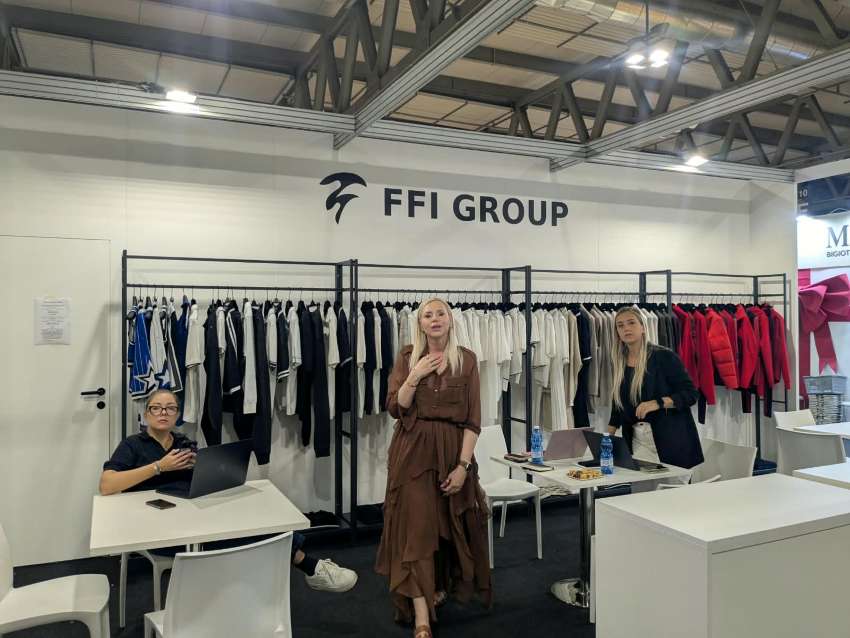
Automation Meets Italian Design: FFI Srl unveils ‘Next-Gen Robotics’ to help bra…
At the recently concluded autumn edition of Ready to Show inside Hall 10 at Fiera Milano-Rho—staged alongside the Milano Fashion... Read more
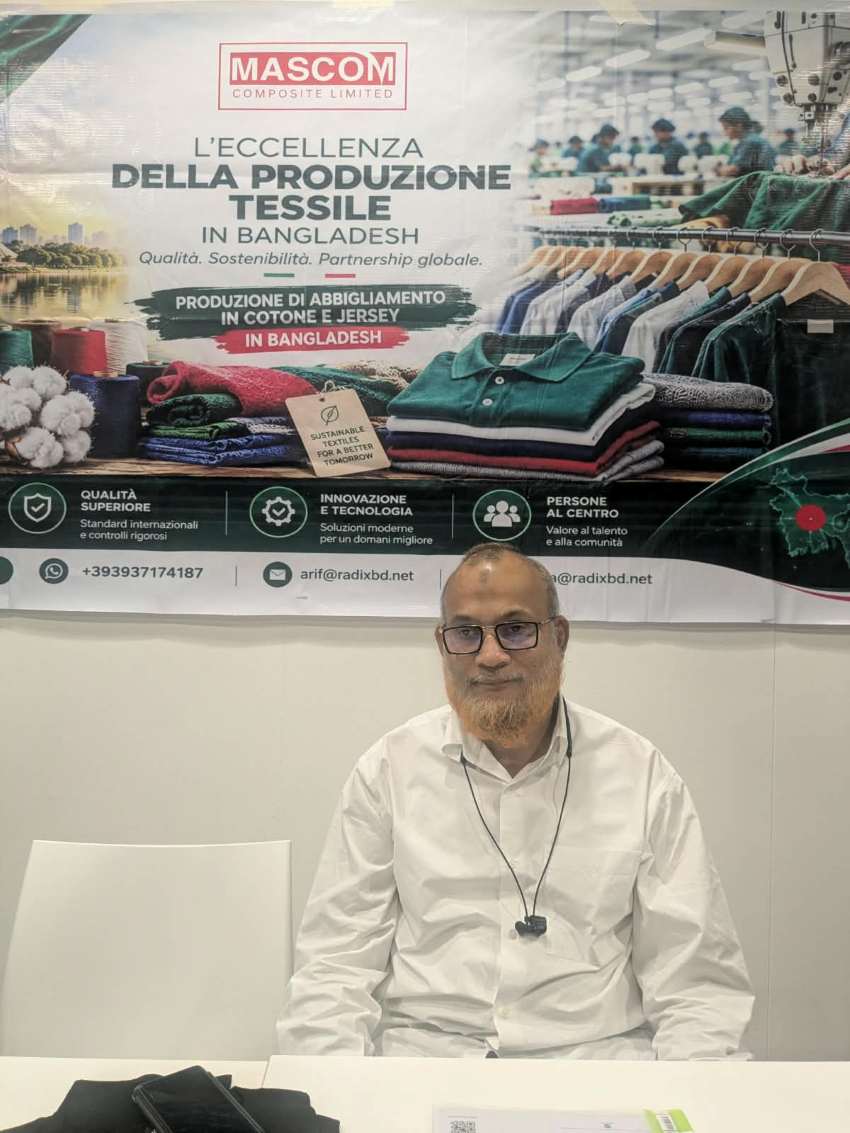
From Dhaka to Milan: Mascom Composite backs Southern Europe’s sports and lifesty…
While the trade floor of Ready to Show Milano inside Hall 10 at Fiera Milano-Rho placed a heavy spotlight on... Read more
How surging silver prices are reshaping ‘Mid-Tier’ fashion jewellery
Escalating global bullion volatility and raw material pricing pressures are forcing a fundamental reassessment across the mid-tier fashion jewellery trade.... Read more
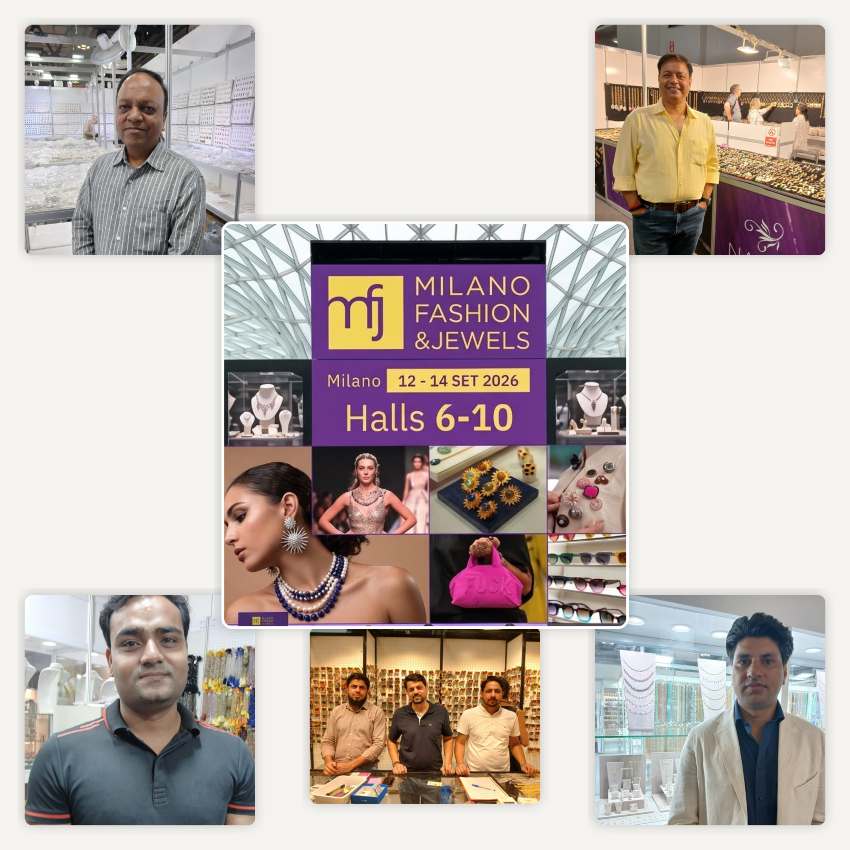
Milano Fashion & Jewels: How ‘Re-Engineered’ heritage crafts are driving hig…
A counter-movement against industrial uniformity is reshaping European bijouterie, transforming authentic craftsmanship into a powerful lever for high-margin boutique growth.... Read more
The "Total Look" Retail Revolution: The integration of jewellery, acce…
The conventional boundaries separating fashion jewellery, ready-to-wear and leather goods, have collapsed on the international retail floor. At the September... Read more
Why Rules of Origin could limit India’s FTA gains
India’s growing network of trade agreements promises lower tariffs and wider market access for its textile and apparel exporters. But... Read more
India-New Zealand FTA opens tariff-free route for textile exporters
The India-New Zealand Free Trade Agreement (FTA), which comes into force on October 20, 2026, creates a new tariff-free corridor... Read more
Virgin polyester drives global fibre output to record 139 mn tonnes
Global textile fibre production reached a record 139 million tonnes in 2025, up 5.3 per cent from 132 million tonnes... Read more
Turkish apparel bets on ‘High-End Value’ at Ready to Show Milano
At the autumn session ( September 12-14, 2026) of Ready to Show inside Hall 10 of Fiera Milano-Rho, the Mediterranean... Read more